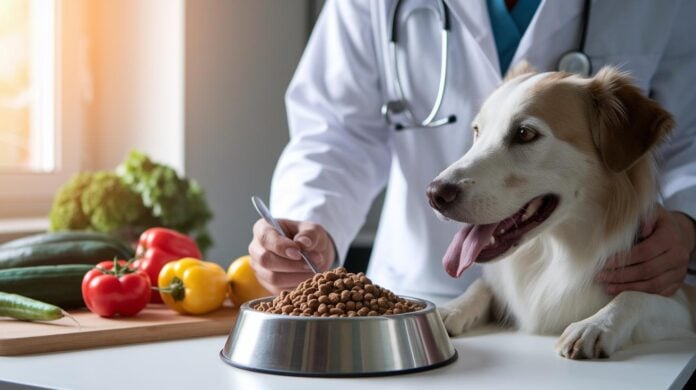

Ever wonder if your dog's regular meal might be missing a home-cooked touch? Imagine a bowl filled with lean proteins and crisp veggies, just like the meal you might prepare for a loved one. Picture a caring vet mixing in only the best ingredients that help build muscle, soothe digestion, and keep your pet in great shape. With these vet-approved recipes, every ingredient is in your hands. Ready to create a meal that fills your furry friend with the warmth of home?
Vet-Approved Homemade Dog Food Recipes: What Pet Owners Need to Know
If you're looking to take charge of your dog's meals, vet-approved homemade dog food recipes might be just what you need. These recipes use top-notch, human-grade ingredients to create meals that build muscle, help with digestion, and support overall health. Picture a friendly vet mixing lean meats with fresh veggies and whole grains, it's like giving your pet a tasty, balanced feast.
Veterinarians trust these recipes because they are carefully designed to cover all of your dog's nutritional needs. Experts remind you to be careful with raw-only diets since they can bring on harmful bacteria. Unlike store-bought processed foods, homemade meals let you control every ingredient, ensuring your dog gets the very best.
Before you make the switch, it’s a good idea to chat with your vet. They can help you figure out the right portion sizes and mix of ingredients based on your dog's size, age, and energy level. This way, you can keep your busy life running smoothly while giving your pet a nutritious alternative to regular kibble.
Every ingredient is picked with care to bring out great flavor and top nutrition for your furry friend.
Key Nutritional Guidelines for Vet-Approved Homemade Dog Food Recipes
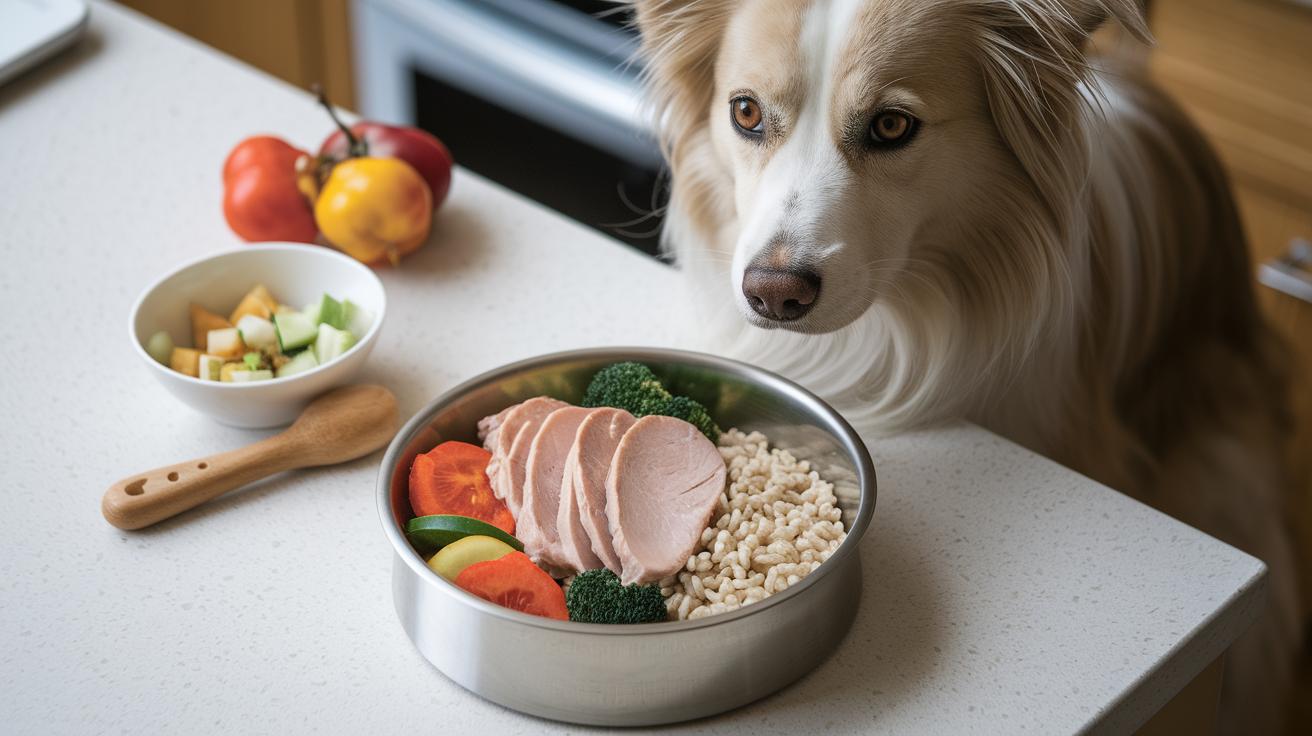
Protein is the cornerstone of your dog’s strength and muscle development. Vets recommend using human-grade beef, chicken, turkey, fish, tofu, or eggs to pack in this protein goodness. For instance, lean chicken is a favorite choice to help keep muscles strong. Always make sure the protein is cooked all the way through, then let it cool and weigh it carefully. It’s a lot like cooking a warm, hearty stew for your pup, with every part measured just right to keep them fit and happy.
Healthy fats are the next important part of your dog’s meal. They bring in essential omega-3 fatty acids that help give your dog a shiny coat and healthy skin. Natural sources like vegetable oil and fish oil are common choices that can ease inflammation and keep cells strong. Imagine gently drizzling a few drops of fish oil on your dog’s food, much like adding that special secret ingredient that boosts both flavor and nutrition.
Carbohydrates and fiber offer the energy your dog needs to play and stay active, while also keeping their tummy happy. Ingredients such as brown rice, quinoa, and sweet potatoes are great options. When cooked just right, they provide steady energy, kind of like fueling up before a day full of parks and play. This balance makes sure your dog is energized and ready for whatever fun comes their way.
Vitamins and minerals are crucial for keeping your dog at their best. Getting the right amount from whole foods or vet-approved supplements is key. Too little might leave your dog without enough nutrients, while too much could disrupt the balance. Think of it as adding the right pinch of spices to a meal; the proper dose of vitamins can be just what your dog needs to feel vibrant without overwhelming their system.
Vet-Approved Chicken-Based Homemade Dog Food Recipes
If you're looking for a tasty, balanced meal for your dog, chicken recipes might just be what you need. They mix lean protein with hearty grains and fresh vegetables to keep your furry friend fueled for daily adventures while helping build strong muscles. One friendly favorite is the Chicken Veggie Mash-Up. This dish uses human-grade chicken breast, fluffy quinoa (a grain that's gentle on the tummy), and a colorful mix of veggies. Imagine every bite as a puzzle piece fitting just right to keep energy high and muscles happy.
Next, there’s the Chicken and Pumpkin Pot Pie. This recipe brings together tender chicken with naturally sweet pumpkin and soft sweet potatoes. It’s like a warm hug in a bowl, offering a meal that supports a smooth digestion and packs in extra fiber. It’s perfect for those cool days when your dog could use a bit of extra comfort and care.
| Recipe Name | Key Ingredients | Benefit |
|---|---|---|
| Chicken Veggie Mash-Up | Human-grade chicken breast, quinoa, mixed vegetables | Helps build strong muscles and keeps energy high |
| Chicken and Pumpkin Pot Pie | Human-grade chicken breast, pumpkin, sweet potatoes | Supports smooth digestion and adds fiber |
Vet-Approved Pork and Turkey Homemade Dog Food Recipes
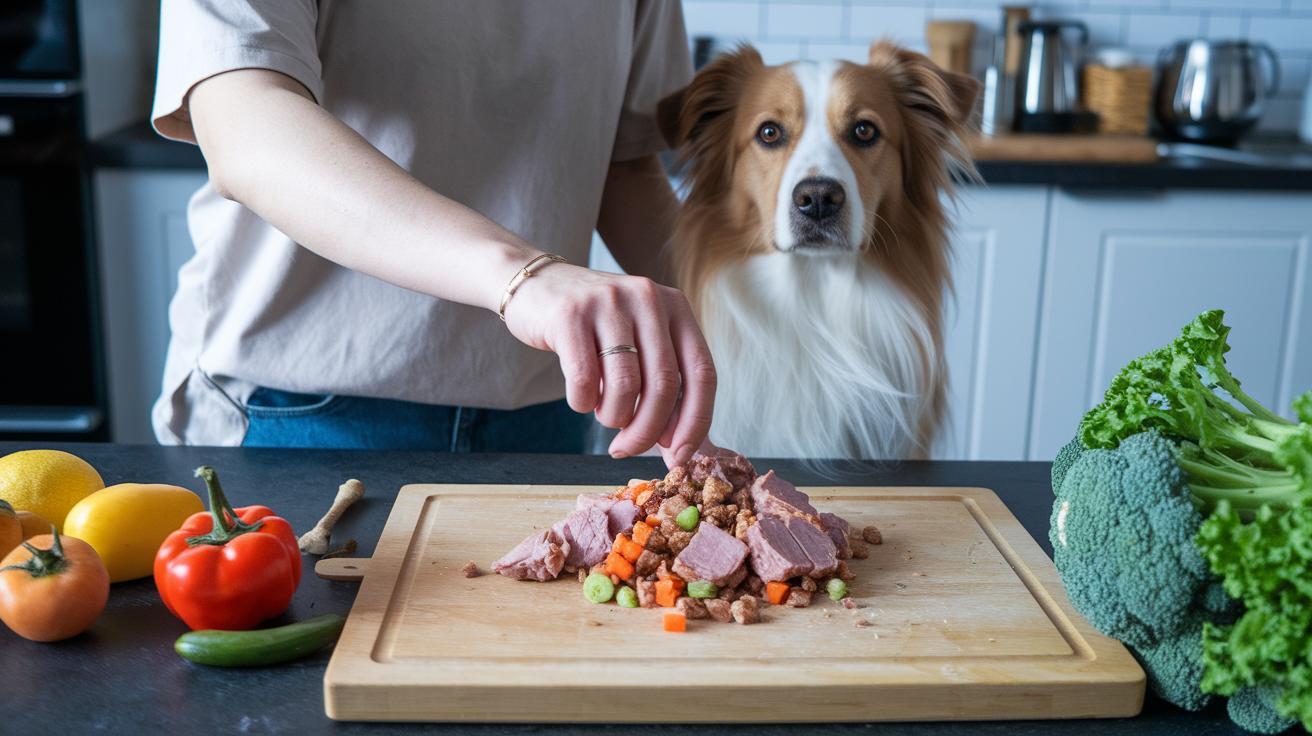
If you're a dog owner looking to try something new, consider our pork-based recipes that bring together tasty flavors and real nourishment. Pork and Pear Delight mixes hearty pork with sweet pear, barley, and a splash of flaxseed oil (a little boost for healthy skin and coat). Imagine a pot gently simmering with tender pork while naturally sweet pear and fiber-packed barley help keep your pup’s tummy happy.
Then there’s Savory Pork and Veggie Stew, a warm, comforting meal on chilly days. This stew blends protein-rich pork with soft butternut squash and hearty lentils. It creates a balanced bowl full of energy-boosting ingredients and extra fiber to support good digestion.
Switching over to turkey-based options, these recipes are perfect for dogs needing lean protein. The Turkey and Cranberry Kibble Topper combines lean turkey with a bright touch of antioxidant-rich cranberries and crisp spinach. It’s a great way to add flavor and nutrients to your pet’s meal. And with Hearty Turkey Veggie Mash, all you need is 2 cups of cooked, shredded turkey breast mixed with just the right amount of veggies. Every bite offers a comforting medley of natural ingredients that support muscle strength and digestibility.
Isn’t it wonderful to know you’re serving up a vet-approved meal that tastes as good as it feels? Enjoy cooking up these meals with your furry friend in mind!
Vet Approved Homemade Dog Food Recipes: Pure Nutrition
If your dog has food sensitivities, these recipes are here to help. They’ve been made for pups with skin allergies, diabetes, kidney issues, or the unique needs of senior and growing dogs. You’ll find gentle proteins, soothing veggies, and just the right grains to keep your dog feeling great. Plus, working with your vet or a pet nutrition expert ensures your recipes pack the right balance of nutrients to keep your fur baby comfy and nourished.
If your furry friend has sensitive skin, consider swapping out common ingredients for gentler ones, kind of like adjusting the spice in your favorite meal so the taste is still delicious without any discomfort. For more ideas, have a look at our guide on homemade dog food for skin allergies. And if you’re planning meals to help with weight management, you can check out our homemade dog food for weight loss tips.
Each recipe is carefully prepared by cooking proteins, carbs, and veggies just right. Once everything cools down, every ingredient is weighed to meet health standards. Regular vet check-ups and recipe tweaks help keep your pet’s meal both safe and beneficial. When you serve these meals, you’re not just feeding them, you’re giving them a little extra love with every nutritious bite.
Preparing and Storing Vet-Approved Homemade Dog Food Recipes Safely
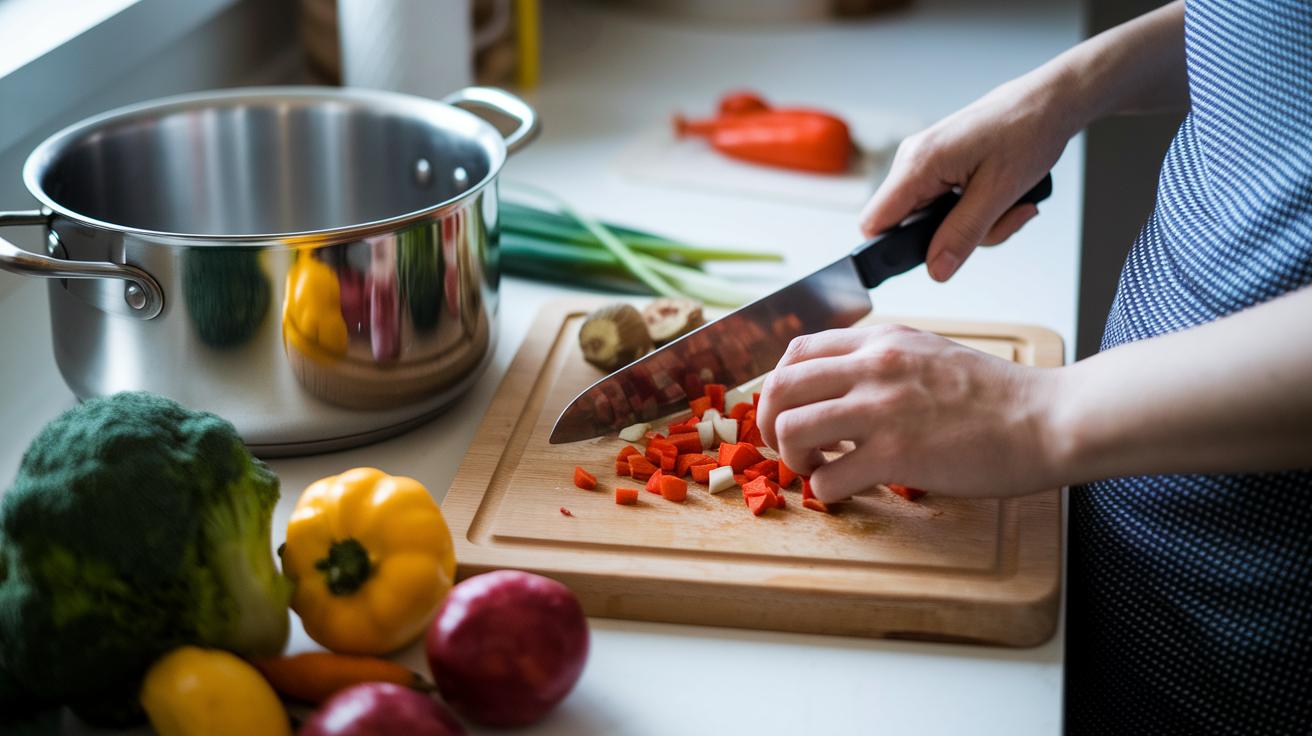
First, cook all proteins, carbs, and veggies until they’re done. When everything’s cooked, let it cool completely. This way, the nutrients stay safe, and you don’t risk a burn while portioning out your pet’s meal. It’s like letting a warm stew settle so each flavor is just right.
A usual beef recipe makes about 5¾ pounds of food with each ounce packing roughly 44 calories. For an active 80-pound dog that eats about 2 pounds a day, this batch will last around 3 days, imagine serving your fluffy friend a big pot of delicious stew that keeps them full and energized, just like a daily treat that costs about $10.
For storage, keep the prepared food in the fridge for up to 3 days, which is perfect for daily meal plans. Need it for later? Freeze it for up to 2 months and thaw it slowly in the refrigerator when ready to serve. This gentle thawing helps keep the texture and all those good nutrients intact.
By following these simple steps, cooking carefully, cooling well, dividing into portions, and storing properly, you’ll always offer safe, balanced meals that keep your dog smiling and tail-wagging. Hasn’t it felt great knowing you’re giving your pet the very best?
Frequently Asked Questions About Vet-Approved Homemade Dog Food Recipes
-
How often should portions be adjusted?
You should tweak your dog's portions when you notice changes in weight, energy, or even mood. If your furry friend seems less playful, the meals might be a bit too much. A monthly weigh-in can really help you catch these little shifts early on. -
Are raw-only diets safe?
Many vets caution against a raw-only diet because raw meat can sometimes have harmful bacteria. Some owners have seen good results, but it’s important to handle and store the food carefully. If you notice any unusual smells or if your dog’s appetite changes, it might be time to recheck the diet. -
When should I consult a veterinarian?
It’s always a good idea to call your vet when you’re thinking about changing your dog’s diet or if you spot any unexpected health changes. For instance, if your dog starts having tummy troubles or their weight starts fluctuating, a quick consultation can help keep them on track. -
What’s the shelf life?
Generally, homemade dog food will stay fresh for about 3 days in the fridge and up to 2 months in the freezer. A simple tip: give it a quick smell before serving, if it smells off, it’s best to toss it out. -
How do I calculate calories per serving?
You can use a rough guide of about 44 kcal per ounce. Just weigh your ingredients after they’ve cooled and then match that to your dog’s daily energy needs. If your pup is super active, you might need to adjust the portions a bit to help keep their energy up.
Final Words
In the action, we rolled up our sleeves and explored creating vet approved homemade dog food recipes, diving into balanced nutrition with protein, fats, carbs, and essential vitamins.
We looked at how each recipe supports muscle health, digestion, and overall wellness while addressing specific pet needs.
From hearty chicken mixes to nutrient-packed turkey dishes and safe meal prep tips, every detail was talked through.
Crafting these recipes helps your furry friend thrive, ensuring every meal brings comfort and cheer.
FAQ
What types of vet-approved homemade dog food recipes exist for various regions and dog sizes?
Vet-approved recipes cater to different needs, including options for large, small, and senior dogs, and they’re even available in Australia. They’re carefully developed to support balanced nutrition and overall wellness.
What do vets recommend for homemade dog food recipes?
Vets advise using recipes that balance quality protein, healthy fats, carbohydrates, vitamins, and minerals to support muscle health, digestion, and overall vitality while avoiding raw-only diets.
What is the most important ingredient in homemade dog food?
The most crucial ingredient is quality protein—from human-grade sources like lean chicken or beef—which supports muscle strength and overall health when combined with balanced nutrients.
How can I ensure my homemade dog food is nutritionally complete?
Ensuring complete nutrition means combining high-quality protein, healthy fats, energy-giving carbohydrates, and essential vitamins and minerals, following vetted recipes and proper cooking guidelines.
Where can I find nutritionally complete recipes and detailed guides for homemade dog food?
Resources like a nutritionally complete homemade dog food recipes PDF offer step-by-step instructions and health-specific meal plans, making it easy to create balanced dishes for your pet.
What homemade dog food options are best for addressing specific health problems?
There are 25 vet-approved recipes targeting specific health issues, such as skin sensitivities or digestive challenges, providing tailored meals that help manage your dog’s unique dietary needs.
What is the best homemade food to feed a dog at home?
The best homemade options blend quality protein, healthy fats, and nutrient-rich carbohydrates into a balanced meal prepared under vet guidance, ensuring your dog gets a full spectrum of essential nutrients.