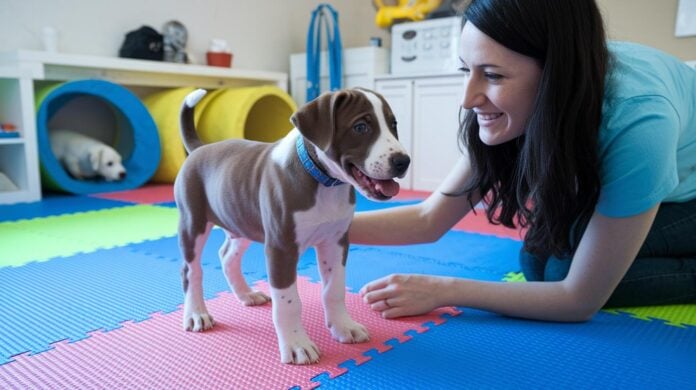

Have you ever wondered if your little puppy could learn house training with a smile? These fun classes let your fur baby pick up new tricks while keeping the whole experience light and joyful.
In these sessions, your pup enjoys plenty of hands-on practice, friendly cheers, and tasty treats that make every potty break feel like a win. Imagine the soft pat on the head and a chorus of praise every time your buddy steps outside for a bathroom break.
When your little companion learns a set routine with other pups in a caring group, everyday life at home becomes so much easier. It’s like turning a little mishap into a proud, memorable achievement.
This article shows that with just a few simple steps, you can make training fun and stress-free for both of you.
Structured Puppy Potty Training Classes for Effective Housebreaking
Structured puppy potty training classes help your little friend learn housebreaking in a fun and caring way. These classes mix hands-on training with lots of praise and tasty treats. Most classes start when your puppy is between 12 and 16 weeks old, a time when they begin to understand basic commands even while getting used to a new home. Imagine watching your adorable furball learn to hold its bladder for up to five hours. It makes home life so much smoother!
Puppies aged 8 to 12 weeks are still exploring their new world, so it’s totally normal if they aren’t completely housebroken after a short 3-4 week course. But as they grow into the 12-16 week stage, many start handling scheduled breaks with more patience. Picture a little pup, just 14 weeks old, waiting patiently by its crate for five hours. It’s a fun and impressive step on the way to success.
The training is built on simple methods like positive reinforcement and crate training. Every session uses clear verbal and hand signals, turning each correct potty trip into a moment for praise and yummy treats. Short, five-minute sessions keep your puppy engaged, curious, and eager to learn more.
By the time your puppy reaches 5 to 6 months old, most are well on their way to being fully housebroken, so long as you keep practicing the good habits learned in class. With classes running for 4 to 6 weeks, you’ll gain the basics for creating routines, effective communication, and proper socialization for your growing companion.
Comparing Puppy Potty Training Class Options: In-Person vs At-Home Courses
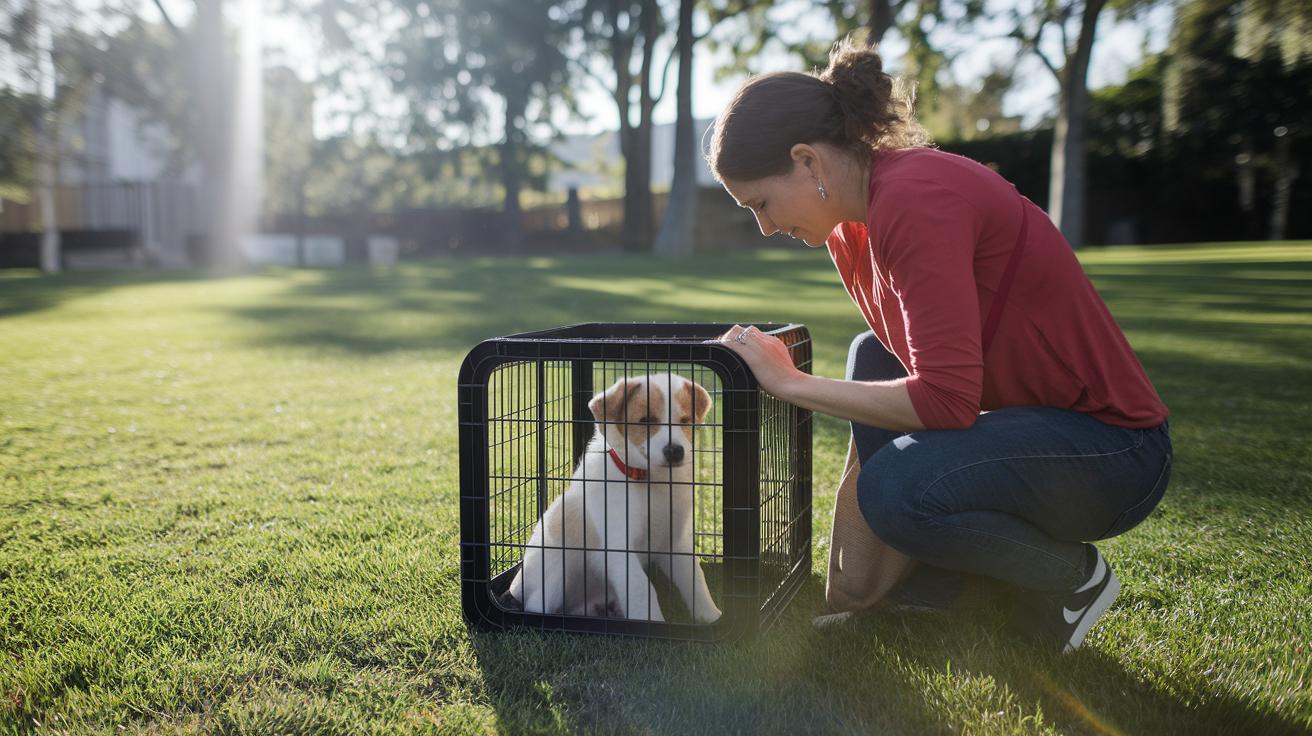
If you’re considering a local class for your puppy, think of a center-based option offering a lovely structured setting spread over a 6-acre campus. Here, your little buddy gets to learn crate training with a set schedule that also includes regular outdoor play. These classes are ideal for puppies between 8 and 20 weeks old. You can choose a 3-day-a-week plan on Mondays, Wednesdays, and Fridays for $150, or opt for a 5-day schedule with pricing available when you ask. It’s a great way for your pup to build a steady routine while meeting other playful friends.
On the other hand, at-home puppy potty training classes let you team up with an instructor right in your own living space. This approach is super flexible, letting you adjust sessions around your daily life. It also means you get customized advice for your puppy, which can be especially helpful if your furry pal is still getting used to different surroundings. If the personal touch of home-based training sounds right for you, check out the in house dog training lessons at https://goodkaws.com?p=595.
- Local classes create a dedicated learning space with set days and routines.
- At-home classes offer flexibility, one-on-one attention, and convenience.
Ultimately, the best choice depends on your schedule, your puppy’s personality, and whether you’d prefer a community feel or a more intimate, home-based approach.
puppy potty training classes: Happy start for pups
These classes make potty training fun by using rewards for good behavior. Sessions are short, about five minutes at a time and less than 15 minutes each day, so your pup stays focused without feeling overwhelmed. Using friendly words like "Go potty" right before the act, combined with hand signals, really helps simplify the process. It’s a lot like saying “sit” with excitement before handing out a treat.
Crate training is also a key part of the approach. Giving your puppy a cozy crate offers a safe spot that eases separation worries and limits accidents. Plus, your little guy gets to explore different places, quiet parks and open beaches, enjoying new smells and sounds along the way. Structured walks on a leash even help build control while keeping things fun and relaxed.
Key training components include:
- Positive reinforcement
- Consistent verbal and hand cues
- Crate-based management
- Exposure to new sights and smells
- Structured leash-guided outings
Choosing the Right Puppy Potty Training Class Based on Age, Breed, and Behavior
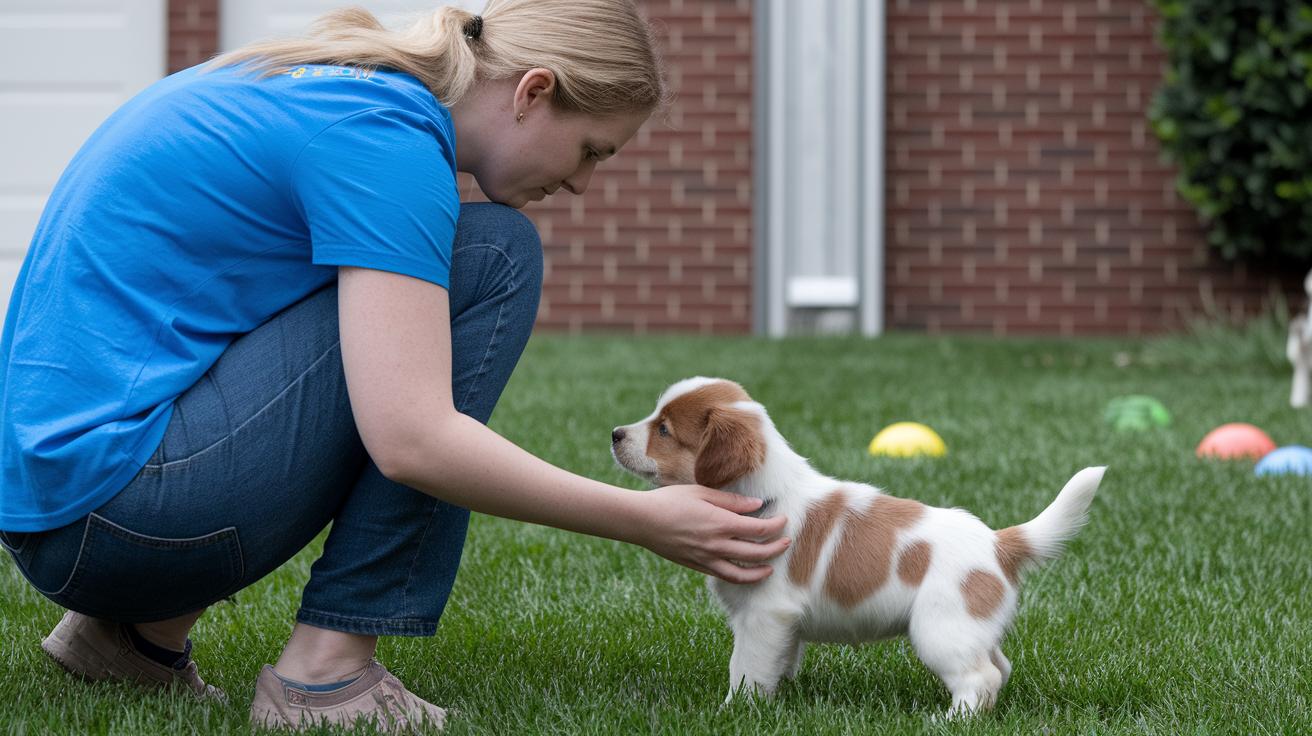
When you’re picking a potty training class for your little buddy, keep in mind its age, breed, and any behavior quirks. For first-time pet parents, having a clear, easy-to-follow plan makes all the difference. For example, if you have a small pup with a tiny bladder, you'll need a class that offers plenty of chances for quick bathroom breaks and a simple routine.
Small pups usually need to go out more often, so look for a class that schedules frequent potty breaks just for them. Larger breeds might be able to wait a bit longer, but they still benefit from a steady routine, kind of like knowing exactly when meal times happen. This regular pattern helps them feel secure and know what to expect.
If your puppy is showing habits like marking or having unexpected accidents, it’s important that the trainer uses immediate praise and clear signals. Imagine hearing a cheerful “Good job!” right when your pup gets it right, it makes learning fun and helps them remember the good behavior.
And remember, the training doesn’t stop once the class is over. Keeping the same routine at home is key to success. By choosing a class that fits your pup’s age, breed, and personality, you’re setting your furry friend up for lasting potty training success.
Costs, Schedules, and Training Facility Features for Puppy Potty Classes
Our hands-on potty training course lasts about 4 to 6 weeks, with weekly sessions designed to help your puppy build lasting habits. We start by welcoming you with a tour of our lovely 6-acre campus where your little buddy will learn and play alongside other pups.
You can pick between a friendly 3-day schedule (Monday, Wednesday, and Friday) for $150 or opt for a 5-day plan, just give us a call if you’d like more details. Both options are set up to make learning fun and effective for your pet.
| Program Type | Days/Week | Price | Duration | Venue |
|---|---|---|---|---|
| 3-Day | 3 | $150 | 4–6 weeks | On-site (6-acre campus) |
| 5-Day | 5 | Contact | 4–6 weeks | On-site (6-acre campus) |
Testimonials and Success Stories from Puppy Potty Training Class Participants
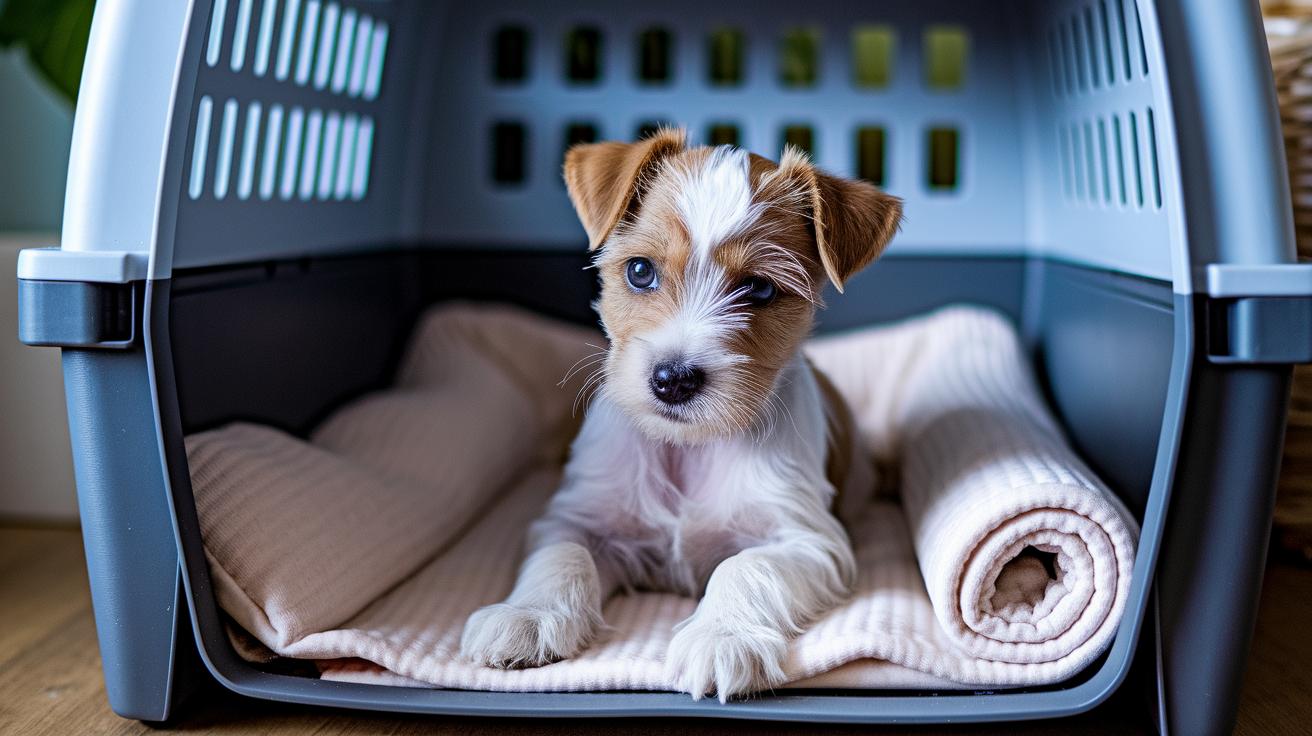
Many pet owners have shared touching stories that show how these classes can truly help. One trainer recalled a 10-month-old terrier who didn't love his crate at first. In just two weeks, the little guy began to see his crate as a cozy, safe spot, and his accidents dropped a lot. The owner was thrilled, saying, "I never thought we could see such a turnaround in so little time!"
Another story comes from a 2.5-year-old rescue dog. After a few early sessions focused on building good bathroom habits, this once-anxious pup became much more at ease and started doing his business in the right place. The owner shared, "Our lives are so much easier now, and our rescue feels more secure and happy."
Trainers often point out that once basic potty habits are set up, further training works even better. Many pet parents have noticed fewer daily accidents and feel more confident managing their pets' behavior. These genuine stories highlight how positive reinforcement and structured training can pave the way for lasting change and a happier start for our furry friends.
Expert Insights: Techniques and Tips Covered in Puppy Potty Training Classes
Trainers have found that changing training routines to match each puppy’s signals really makes a difference. For instance, one trainer said when their puppy got distracted by garden noises, switching to a quick, firm "watch me" worked like a reset to grab their attention. It’s a clear sign that tone and timing can help a puppy focus.
A small training group discovered that pairing a set potty schedule with flexible break times boosted a puppy's confidence. One case study mentioned that moving away from strict two- to three-hour intervals to breaks that followed the puppy’s natural rhythm made a big difference. This simple tweak can make scheduled breaks work even better.
Crate training is getting a gentle upgrade too. Trainers now slow down crate entry by saying a calm "no touch" and offering hand feeding when a puppy seems restless. One expert noted that when a puppy pauses before entering the crate, it shows they’re ready for a calm session.
Everyday training now includes a few added tricks:
- Changing the tone of cues based on distractions
- Timing breaks to match a puppy’s natural pace
- Adding low-key distractions during cue practice
- Watching crate behavior to guide the mood
These expert tips turn common techniques into a flexible routine that listens to each puppy’s unique signals.
Final Words
In the action, this guide walked you through structured classes that cover everything from age-specific insights to core training techniques like positive reinforcement, cue consistency, and crate management. It compared in-person and at-home options while breaking down schedules, pricing details, and key techniques.
Each step in puppy potty training classes builds confidence in managing your pet’s needs. With expert tips and real-life success stories, every training session paves the way for a happier, healthier puppy.
FAQ
Q: Where can I find puppy potty training classes, including local and online options?
A: Puppy potty training classes are offered locally at centers and online, using structured housebreaking techniques and socialization tips that rely on positive reinforcement to help your puppy build solid habits.
Q: What do PetSmart and Petco dog training programs offer?
A: PetSmart and Petco dog training programs provide comprehensive instruction that covers basic obedience, socialization, and even potty training, helping your puppy learn reliable elimination habits through friendly, in-person sessions.
Q: Are there low-cost options for dog or puppy training near me?
A: Low-cost options exist, with many facilities offering group classes such as a 3-day/week program at around $150, combining effective potty training with socialization and ongoing support.
Q: Can I send or hire someone to potty train my puppy?
A: Hiring a professional to potty train your puppy is possible, as experts guide your pet using consistent, positive methods, though active owner reinforcement at home remains crucial for long-term success.
Q: What is a good age to start potty training a puppy?
A: Starting potty training is best at around 12–16 weeks, when puppies are more capable of holding waste and are receptive to structured routines, setting them up for success with positive reinforcement.
Q: How much does it cost to get my dog potty trained?
A: Costs vary by program, with popular structured classes starting at approximately $150 for a 4–6 week course, while pricing for in-home or more intensive options may differ based on schedule and facility.