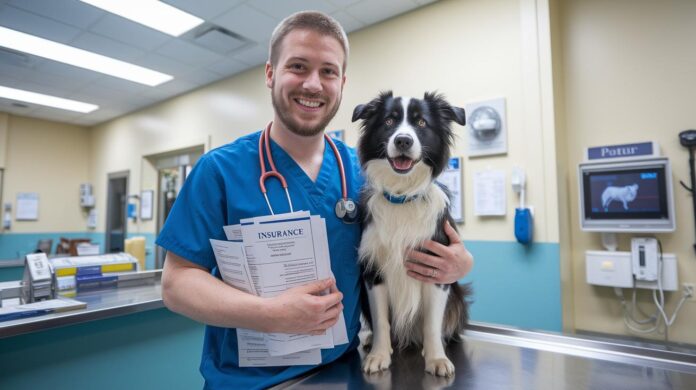

Ever worry that an unexpected vet visit might chip away at your savings? With pet health insurance, you don't have to face those large bills by yourself.
Imagine your furry friend needing urgent treatment, a scenario that could easily leave you feeling overwhelmed. Having the right insurance plan means you’re ready for these surprises, so you can focus on cuddles, belly rubs, and making sure your best buddy gets the care they deserve.
In this article, we'll chat about how choosing the perfect plan can brighten your pet’s future and bring you some real peace of mind.
pet health insurance plans: overview & key factors
Pet health insurance is like having a helping hand when vet bills come up. It refunds most, sometimes all, of your vet costs, which means those unexpected medical expenses won’t weigh you down. Imagine your furry friend suddenly needing emergency care that might cost over $1,500, even up to $7,000. With insurance, you pay first but later get back most of those expenses. It’s a bit like setting aside some cash now, with the reassurance that the big vet bill will be handled for approved treatments.
Every year, many pets need emergency care, leaving their owners with large out-of-pocket costs. It’s kind of like having a backup plan. When your pet is ill and the vet’s bill is high, having insurance makes your day a little less stressful. Think of it this way: you’re investing a little now so you’re protected when it matters most.
Vet costs have been on the rise too. From February 2023 to February 2024, fees have increased by nearly 8%, a real pinch for any household budget. Pet health insurance steps in to help cover both routine checkups and unexpected emergencies. Most policies use a system where you pay at the vet, then send in your bill to get reimbursed. Before insurance, many pet owners had to handle bills that could really hurt their monthly budget. Now, with a good plan, you can relax knowing you’re covered.
In the end, pet health insurance is all about giving you peace of mind. It protects your wallet while making sure your pet gets the care it needs. Matching a plan to your pet’s unique needs can really help you budget and feel secure about those surprise vet visits.
Coverage types in pet health insurance: accident, illness & wellness

Pet insurance is there to help your furry friend when unexpected things happen, whether it’s a sudden accident, an illness, or even a regular wellness visit. Knowing the details of each coverage can make it easier for you to choose a plan that truly fits your pet’s needs.
- Accident Coverage: This helps pay for treatments when your pet suffers injuries like broken bones or cuts from a fall, ensuring they get quick care when accidents occur.
- Illness Coverage: This covers both sudden and ongoing health issues, such as infections or chronic conditions that need regular medicine and check-ups.
- Preventive Care: This benefit takes care of regular checkups, yearly health exams, and vaccinations so your pet stays safe from common illnesses.
- Vaccination Coverage: Specifically focused on essential shots like rabies, distemper, and parvovirus, this coverage strengthens your pet’s immune system.
- Surgery Coverage: This provides financial help for surgical procedures needed after an accident or to address an illness, whether it’s a minor repair or a more significant operation.
- Chronic Condition Support: This plan supports pets with long-term health problems, including necessary diagnostic tests and ongoing treatments.
- Wellness Add-ons: These extra benefits cover routine visits, dental cleaning, and other preventative measures to catch issues before they become serious.
Choosing the right coverage means considering your pet’s activity level, age, and any known health concerns. For example, a playful puppy at risk for parvo may need robust accident and illness coverage, while a senior cat might benefit from extra support for wellness and vaccinations. This careful approach helps keep your pet healthy and gives you peace of mind.
pet health insurance: Bright Options for Your Pet
Getting pet insurance can feel like juggling your pet's well-being and your budget at the same time. It’s all about balancing monthly premiums, deductibles, and handy discounts that really add up over time. For example, dog plans usually run about $56.30 each month, while cat plans average around $31.94. If you're just starting out, basic dog coverage might cost between $46 and $60 a month, and cat coverage generally falls in the $25 to $32 range.
When you’re comparing plans, it might help to use a premium calculator to see how things could add up annually. And if you have more than one pet, look out for discounts covering multiple animals. Some companies even include pet insurance as a work perk, which can lighten your monthly load.
Keep in mind that deductibles vary too. Some plans offer lower deductibles with a bit higher premium, making your monthly costs steadier, while others might save you money on the premium but ask for a higher deductible when you need care. The trick is to figure out what fits your pet’s lifestyle and your wallet best.
| Plan Type | Average Monthly Premium | Deductible | Discounts Available |
|---|---|---|---|
| Dog | $56.30 | Varies | Multi-animal, employer-sponsored |
| Cat | $31.94 | Varies | Multi-animal, seasonal offers |
| Multi-pet | Varies | Varies | Multi-animal savings, bundling discounts |
These simple details can guide you to a pet policy that takes care of your furry friend’s needs while keeping your spending in balance.
Claim process in pet health insurance: submission & reimbursement

When your pet needs care, you cover the vet bill first and then start the claim process to get reimbursed. Most pet insurers have an easy step-by-step method that usually wraps up in about 10 to 15 business days. Knowing what to do can make everything feel less stressful.
-
Gather your paperwork: Collect all the important documents like detailed invoices, treatment codes, and claim forms. Think of it like keeping the receipts after a fun day out with your family, having everything together sets the stage for a smooth refund.
-
Submit your claim: Next, send your documents through your provider’s online portal or mobile app if they offer one. It’s as simple as snapping a quick photo of your receipt with your phone.
-
Keep an eye on your claim: Use the provider’s tracking system to check the progress of your claim. It gives you peace of mind to know that everything is moving along.
-
Receive reimbursement: Once your claim is approved, you’ll get your money back for the eligible expenses. This refund helps ease the burden and covers part of your pet’s care.
Top pet health insurance providers: comparisons & customer ratings
Finding the right cover for your pet is easier when you look at options side by side. We all know that using interactive comparisons and real customer ratings can help you choose a provider that truly cares about your dog or cat. Providers that earn high praise usually offer friendly 24/7 support and fast reimbursements that bring a little extra comfort during emergencies. Plus, many of these top companies even have employer-sponsored plans, which can feel like a big weight off your shoulders.
Take a peek at the table below. It shows four highly rated pet insurance providers and highlights what makes each one stand out:
| Provider | Key Features | Monthly Premium Range | Customer Rating |
|---|---|---|---|
| PetSure | 24/7 support, quick claim turnarounds, interactive quote tools | $50 – $70 | 4.7/5 |
| FurryGuard | Extensive coverage for dogs & cats, fast claims process, mobile app | $40 – $65 | 4.5/5 |
| Paws Protect | Robust policy comparisons, employer-sponsored options, high reimbursement rates | $55 – $75 | 4.6/5 |
| AnimalShield | User-friendly online tools, trusted provider status, comprehensive plans | $45 – $70 | 4.4/5 |
These providers get high ratings because they cover accidents, illnesses, and regular check-ups, all while being there when emergencies hit. Many pet parents have shared how much relief they felt when a quick payout helped with a sudden vet bill. Interactive tools let you easily compare plans side by side, so you can pick one that fits your pet’s unique health needs and your lifestyle. Just remember, while some companies offer wellness memberships, they’re not the same as complete insurance. The aim is to find a plan that keeps your pet’s health in focus and your budget in check.
Selecting pet health insurance: tips for dog & cat owners

Every pet is special, so don’t forget that their needs are unique. When you start looking for the right plan, think about your pet’s breed, size, and stage in life. For example, a big dog might benefit from a plan that covers joint issues, while a small dog or indoor cat could do well with options that come with lower premiums and match their quieter lifestyle.
Here are some friendly tips to help you out:
- Consider breed risks. Some breeds tend to have certain health problems, which might change the cost.
- Look for a plan that covers older pets if your furry friend is a senior. These plans usually adjust to fit their needs.
- Shop around for policies aimed at senior animals. Even though they might cost a bit more, they provide extra protection for aging pets.
- Check if the policy comes with a wellness plan that covers routine check-ups and preventive care.
- Compare the features of different policies to make sure they suit your pet’s health history, since many don’t cover pre-existing conditions.
- If you have more than one pet, explore multi-pet plans. Sometimes one good policy can cover all your furry friends and save you money.
Exclusions & waiting periods in pet health insurance policies
Not every part of your pet's health is covered by insurance. One important thing to know is that pre-existing conditions aren’t usually included. That means if your pet had an illness or injury before you signed up, the policy won’t cover it. So, it's a good idea to look over your pet's health history when you're comparing plans.
Waiting periods matter too. For accidents, many plans start covering right away with no wait at all. If something unexpected happens, you’re ready to get help immediately. But if it’s an illness, most plans ask you to wait about 14 days before the coverage kicks in. This short delay gives the insurer a chance to check that the condition wasn’t there before you got the plan.
Some plans also have limits on how much they pay out. Sometimes there’s a yearly cap, and other times there’s a lifetime limit. These limits can change how much support you might get if your pet needs expensive treatment.
There are a few simple eligibility rules too. Most companies require your pet to be at least 8 weeks old but not more than 10 years old when you sign up. By keeping these details in mind, like exclusions, waiting periods, and payout limits, you can pick a plan that fits both your pet’s current health and future care needs.
FAQs: common questions about pet health insurance

-
What percentage of expenses is reimbursed?
Most plans pay back between 70 and 100% of the approved vet bills. This means when your pet needs treatment, you get a big help with those costly bills. -
Do policies accept both in-network and out-of-network veterinarians?
Yes, many insurance plans let you choose. You can visit your regular vet or pick someone out-of-network if you believe they provide the best care for your furry friend. -
How do I file a claim?
Typically, you pay for the vet visit first, then submit your claim either online or on your mobile app. You’ll need to include an itemized invoice and treatment codes, making the process pretty straightforward. -
What basic terms should I know?
You might hear words like deductible, co-pay, and annual limit. Think of these as simple guidelines that help you understand what part of the costs you cover and what your insurer handles.
These FAQs untangle some of the insurance lingo and show you how the claim process works. With user-friendly online tools to compare plans, finding the right coverage for your pet can feel easy and worry-free.
Final Words
In the action, we explored how pet health insurance plans work, breaking down various coverage types like accident, illness, and wellness benefits. We also took a closer look at costs, deductibles, claim processes, and top provider comparisons.
Each section provided bite-sized guidance to help every pet parent make confident decisions. Let this guide inspire you to safeguard your pet with reliable pet health insurance. Enjoy every moment with your furry friend!
FAQ
What is Spot pet insurance?
The term Spot pet insurance usually means plans designed to cover pet accidents and illnesses, helping manage unexpected vet bills with speedy claim submissions and reimbursement.
What is the best pet health insurance?
The best pet health insurance stands out by offering broad coverage, quick claims processing, and affordable premiums, so pet owners get the care their furry family members need without worry.
How much is pet health insurance?
The cost of pet health insurance varies, with average monthly premiums around $56 for dogs and $32 for cats. Rates also differ by state, such as in GA, based on your pet’s age, breed, and deductible choices.
How does pet health insurance differ for cats and dogs?
Pet health insurance for cats versus dogs differs in cost and coverage specifics. Typically, dog policies average higher premiums due to breed-specific risks, while cat plans often come in at a lower rate with similar accident and illness coverage.
What is Lemonade pet insurance?
Lemonade pet insurance provides coverage aimed at quick claim submission through an easy mobile app, offering competitive rates and a streamlined process for pet owners seeking fast, reliable expense management.
What is Embrace pet Insurance?
Embrace pet Insurance is known for its flexible plans that let you choose coverage levels, manage deductibles, and benefit from discounts on multi-pet policies, helping tailor protection to your pet’s needs.
Is it worth it to have pet health insurance?
Having pet health insurance is worth it for many owners because it softens the blow of costly vet bills from accidents or illnesses and lets you focus on your pet’s well-being without financial stress.