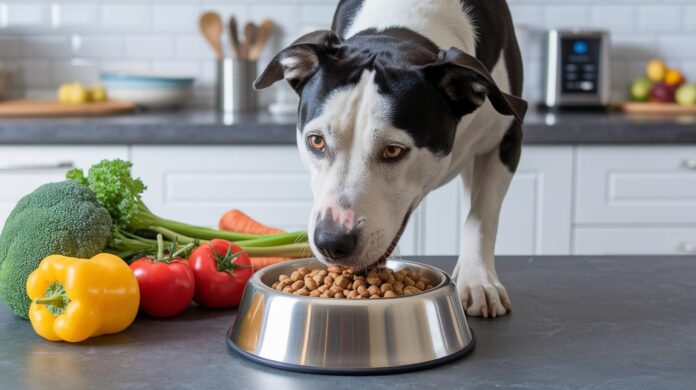

Have you ever noticed that a small change in your pet's dinner can spark a big difference? Imagine whipping up homemade meals with fewer calories that help your dog shed a few pounds while still keeping that playful energy. Think of it like creating a recipe with lean proteins and fiber-packed veggies that brighten up meal time. In this guide, we'll share simple tips on portion control and mixing yummy, nutritious ingredients to support a healthy weight. It's a warm, easy approach that transforms everyday meals into a little celebration of better pet health.
Key Principles of Homemade Dog Food for Weight Loss
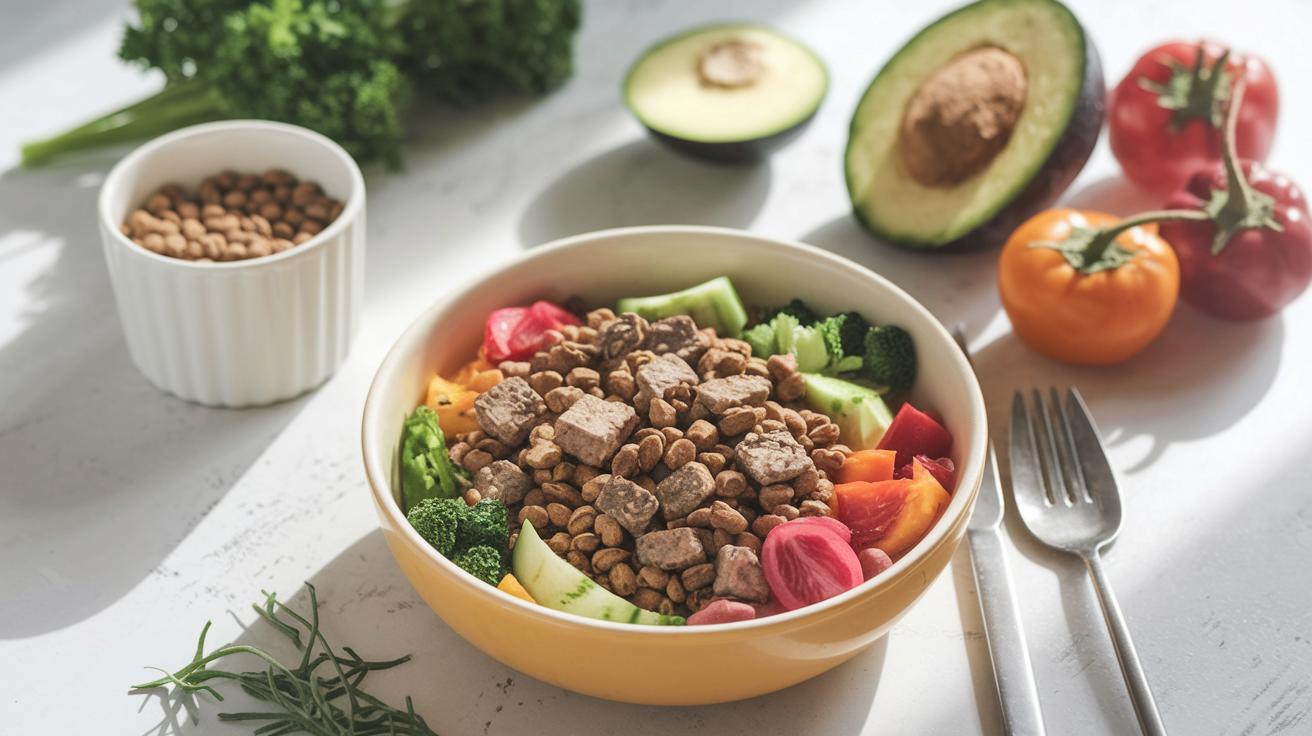
When your dog packs on extra pounds, it’s important to serve meals that have fewer calories. You set their daily calorie needs based on their resting energy needs and maintenance energy needs. For weight loss, aim to feed about 80% of what they normally eat. Think of it like cutting your own portion just a little bit, you still get energy for play, but in a balanced way.
Mixing up lean proteins like beef, rabbit, and venison is a smart move. Changing protein sources not only helps to avoid food sensitivities, but it also keeps mealtime interesting for your furry friend. One pet parent mentioned, "Switching proteins weekly kept my dog's meals exciting and helped maintain his energy levels." This variety makes sure your home-made meals cover all the right nutrients without focusing on just one source.
Including fiber-rich veggies such as green beans and carrots is another great tip. They add bulk and important nutrients without extra calories. A small splash of healthy oil like sunflower oil can do wonders too, it helps with digestion, supports skin and coat health, and even takes care of the heart. These ingredients team up to give a well-rounded meal for fat loss.
It’s always a good idea to check with your vet. They can confirm the right calorie goal for your dog and tweak recipes to fit their unique needs. And if you’re short on time, you might even look into commercial choices like Weight Management Dog Food to compare with your own creations.
Essential Ingredients for Homemade Weight Loss Dog Food
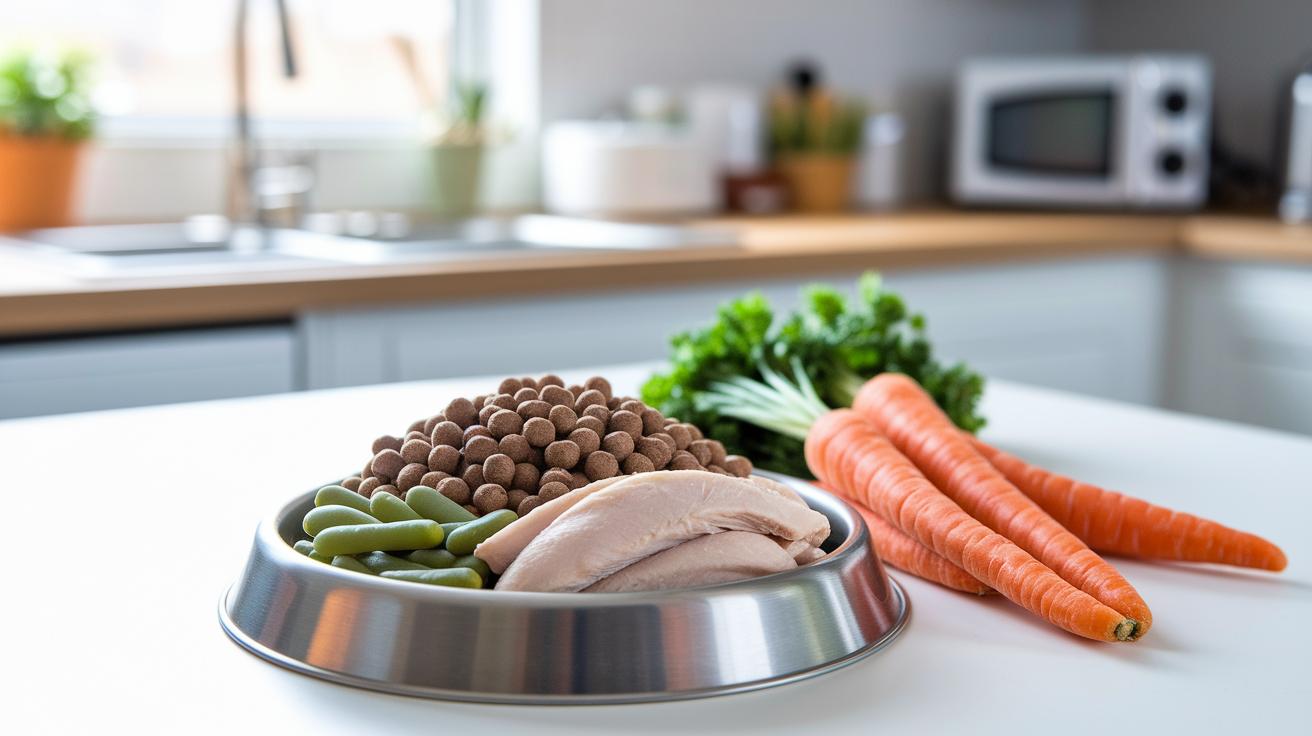
When you're whipping up healthy meals for your dog, using the right ingredients is key. Try lean proteins like chicken breast, rabbit, or turkey. These meats offer about 20 to 25 grams of protein per 100 grams while keeping the fat low. Think of chicken breast as the base of a nourishing meal. Some pet parents even share that switching to ground turkey gives their dog a noticeable boost in energy.
Veggies such as green beans, carrots, and pumpkin add fiber and vitamins while keeping the calorie count low. They work like a crunchy, low-calorie snack that fills up your furry friend without weighing them down. Imagine green beans as small, nourishing bites that help your pet feel satisfied during mealtime.
A little bit of oil and the right supplements can really enhance these meals. A teaspoon of fish oil or flaxseed oil brings omega-3 fatty acids (the good fats that support skin, coat, and heart health) into the mix. Adding a vitamin and mineral blend fills any nutritional gaps, almost like a pinch of magic that turns a simple meal into one that fuels your dog's overall well-being.
Low-Calorie Homemade Dog Food Recipes for Weight Loss
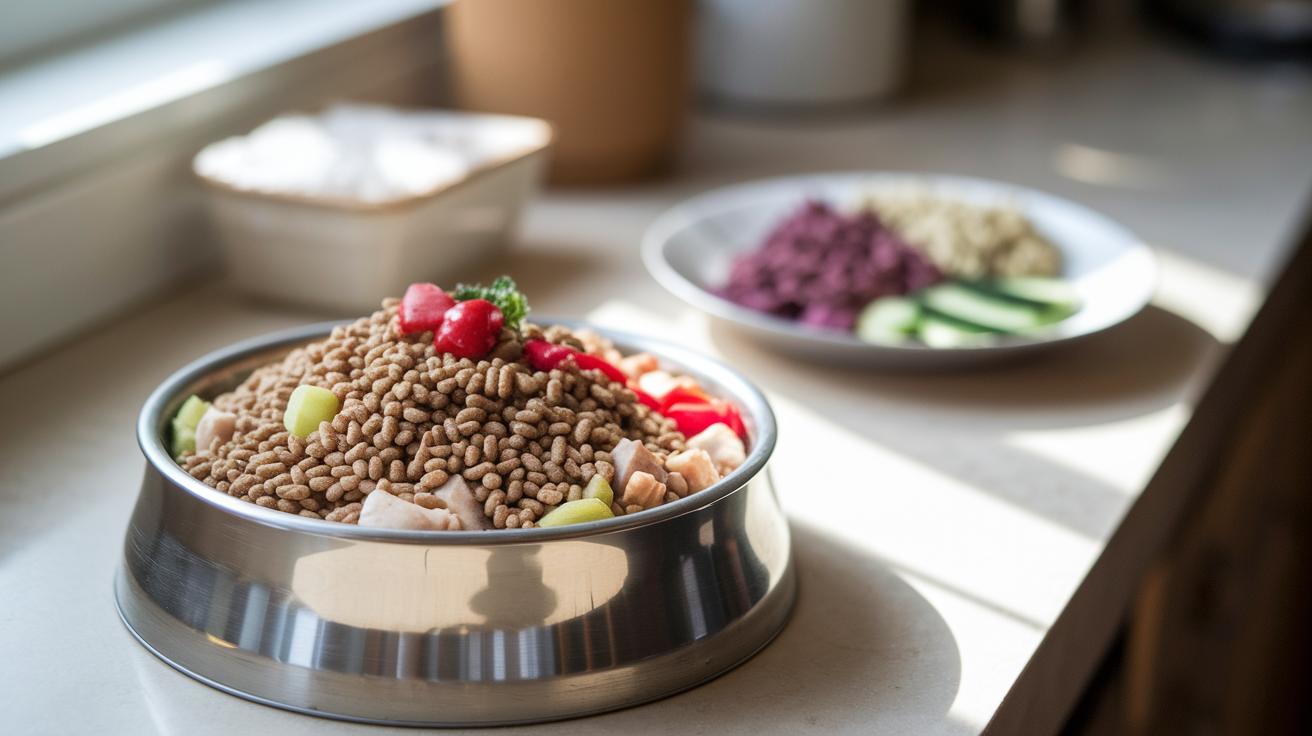
These recipes are made with low-calorie ingredients to help your furry friend lose extra pounds while still enjoying a tasty meal. Imagine boiling grains until they're perfectly soft, then blending them with fresh vegetables. It's like a warm hug in a bowl for your pup!
Chicken, Rice & Vegetable Recipe
This meal offers about 1,000 kcal and packs 76 grams of protein in every batch.
- Start by boiling 1 cup of rice until it’s soft and ready.
- Steam a mix of carrots and green beans until they are crisp-tender, so they keep a bit of crunch.
- At the same time, cook 300 grams of chopped chicken breast until it’s fully done.
- Carefully mix the chicken, rice, and vegetables together in a large bowl.
- Stir in a small pinch of a recommended vitamin and mineral blend to boost the nutrition.
- Let everything cool completely before serving it to your dog, safety first!
Tuna & Vegetable Recipe
This recipe provides about 1,000 kcal with 149 grams of protein per batch. It’s both hearty and refreshing.
- Drain one can of tuna in water and flake the fish into manageable pieces.
- Lightly steam diced celery and spinach to keep their natural nutrients and texture.
- Combine the tuna with the steamed vegetables in a bowl.
- Add a little drizzle of sunflower oil to introduce healthy fats.
- Allow the mixture to cool down so it stays within your calorie goals and is safe to serve.
Cod & Beef Blend Recipe
For this blend, use 70% cod and 30% lean beef to yield around 900 kcal and 80 grams of protein.
- Gently poach cod fillets until they turn opaque, making sure not to overcook.
- Quickly sear lean beef cubes until they are nicely browned on the outside while remaining tender inside.
- Steam a medley of zucchini and peas to add essential fiber and vitamins.
- Thoroughly mix the cod, beef, and vegetables, adding any supplements as needed.
- Let the dish cool to room temperature before serving it to your dog.
Each recipe follows a clear, simple process: cook the grains, steam the vegetables, mix in the proteins and supplements, then allow the meal to cool before serving. This method ensures that every bite is nutritionally balanced and served at a safe temperature for your pet.
Portion Control for Homemade Dog Food Weight Loss
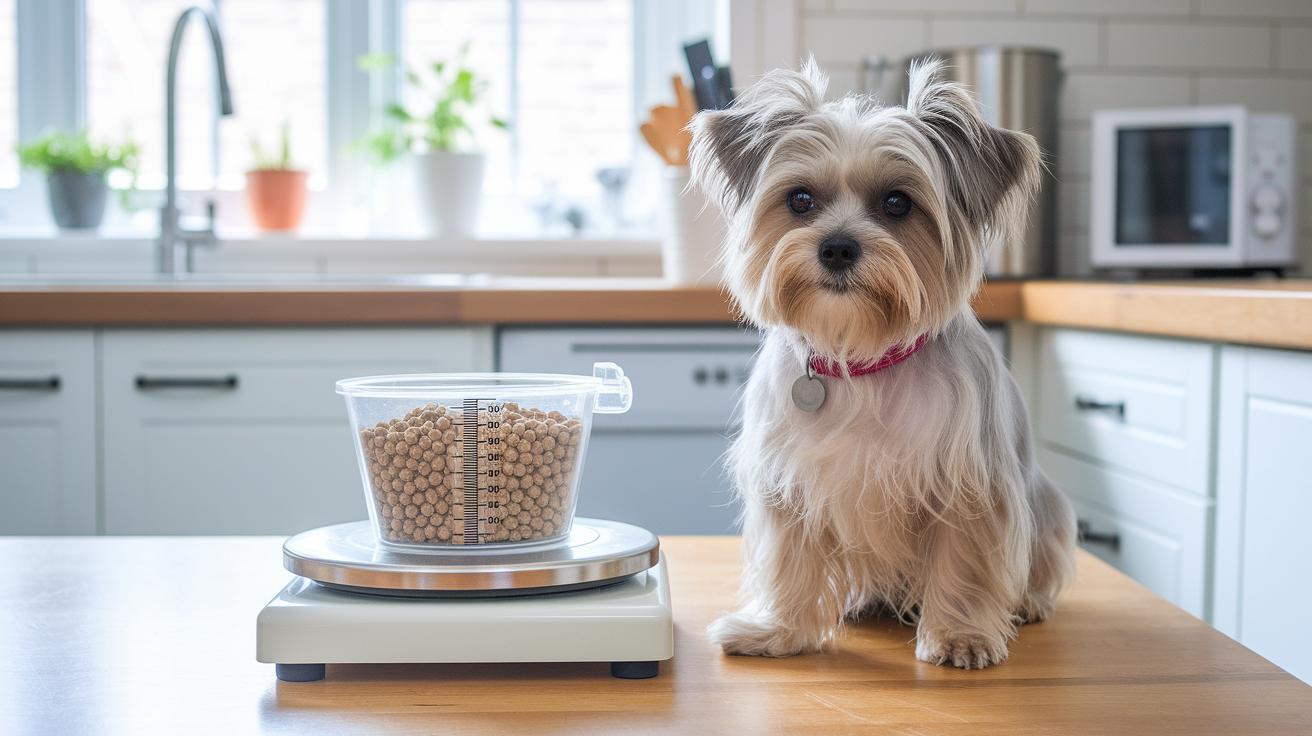
Getting your dog's portions just right is super important. A handy tip is to feed about 2–3% of your dog's ideal body weight. So if your pal should weigh around 20 lbs, that means serving roughly 0.4–0.6 lbs of food each day. It’s a simple way to keep calories low while still giving your buddy the energy they need.
Using measuring cups or a digital kitchen scale makes this really easy. Think of it like baking a batch of cookies, every measurement counts. I even learned firsthand that a little change, like using a scale for exact portions, can boost your dog's energy and leave them with a very happy tummy.
Splitting the total daily food into two or three meals can also help keep your dog's blood sugar steady. This regular feeding schedule not only keeps them content but also gives them the energy to enjoy playtime throughout the day.
It’s a good idea to check your dog's weight once a month, too. Doing so helps you adjust the portions as needed and makes sure they’re moving toward a healthy weight. Here are some quick tips to keep in mind:
- Use a kitchen scale for accurate measurements.
- Divide meals evenly throughout the day.
- Adjust portions based on monthly weigh-ins.
By following these steps, you create a simple plan that helps your furry friend reach their ideal weight while still enjoying every tasty meal.
Safely Preparing and Storing Homemade Dog Food for Weight Loss
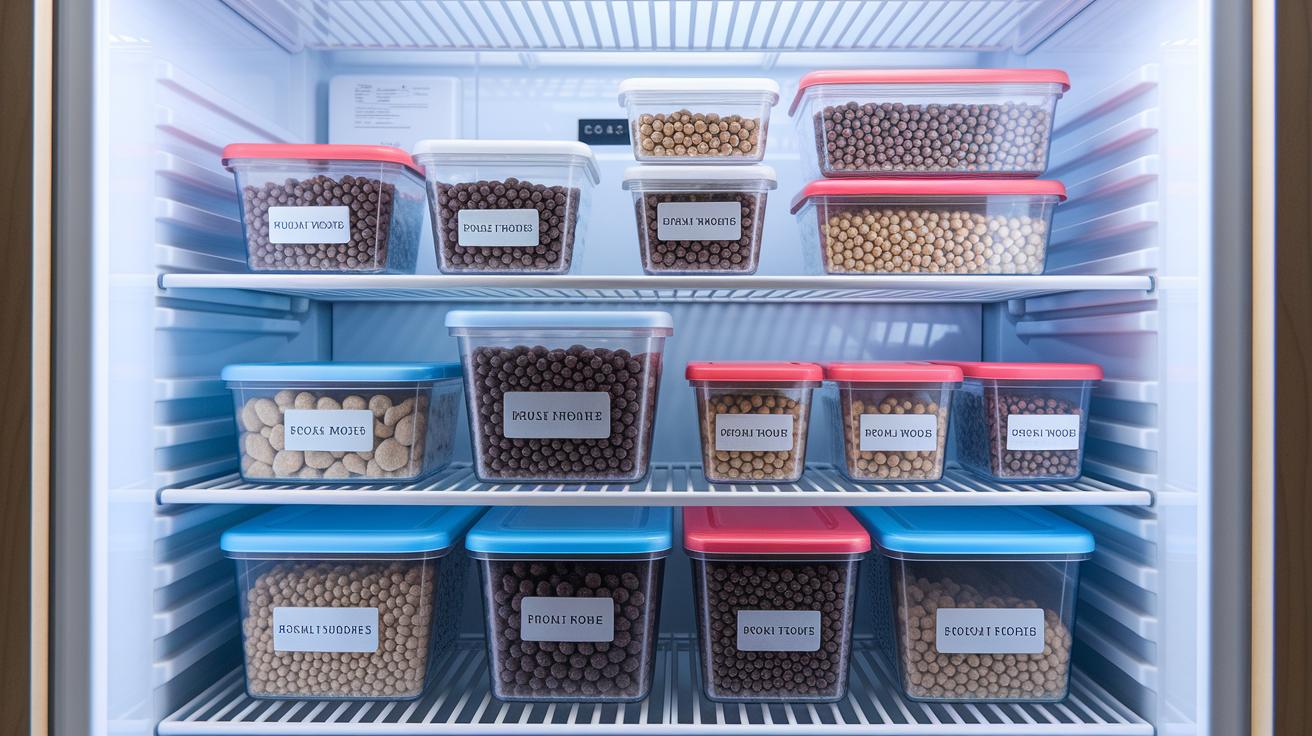
When you're making a special meal for your dog’s weight loss, keeping the food safe is the first step. After cooking, let the meal cool naturally. Then, put the leftovers in the fridge at a temperature below 4 °C (about 32 to 39 °F) for up to three days. If you plan to store meals longer, just freeze them for as long as two months. This way, your pet’s food stays nutritious and free from harmful germs.
When it’s time to serve the frozen meals, let them thaw slowly in the fridge instead of on the counter. That gentle thaw keeps the food tasting great and safe for your furry friend. I once heard from a pet parent, “I always move the frozen dish into the fridge the night before, it makes mealtime so much easier.”
Also, remember to clean all your kitchen surfaces and utensils well after handling raw meat. This helps prevent any mix-up of germs. After you transfer the food to storage containers, label each one with the date and recipe name. This little habit makes it simple to keep track of freshness. Following these easy steps creates a healthy, do-it-yourself weight management plan that keeps your pet’s meals balanced and safe.
Veterinarian Guidance for Homemade Dog Food Weight Loss Plans
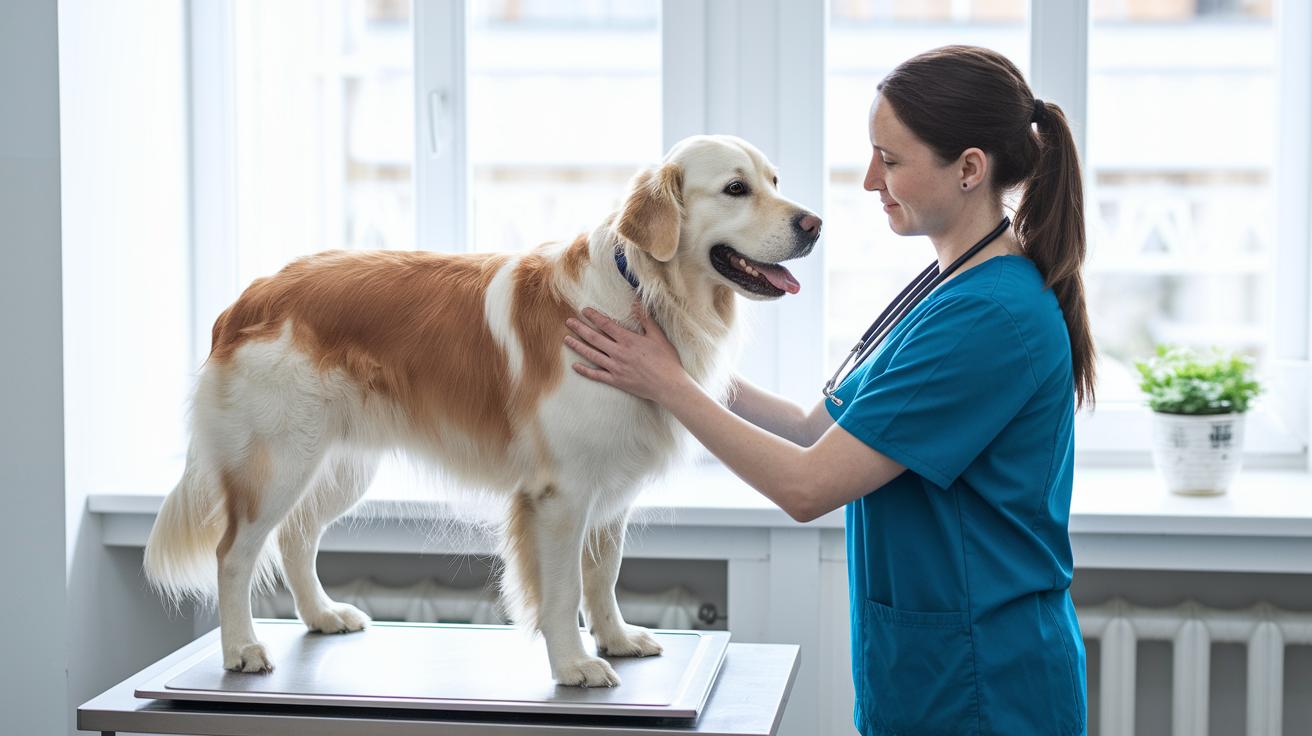
Working hand in hand with your vet makes your pup's weight loss journey safe and effective. Begin with a pre-diet exam to check your dog's body condition score (BCS) and set a healthy target weight. This friendly check-up shows if your furry friend needs a little extra care or adjustments in their meal plan. Your vet can even review commercial diets and help tweak your homemade recipes to ensure every bite aids your dog's progress.
Regular weigh-ins every 2 to 4 weeks are essential for keeping track of how well the plan is working. Think of it as a little progress chat with your pet, where clear and simple updates help you know if the new meals are doing their job. And if things seem to stall or go a bit off track, your vet might suggest a few lab tests to check on thyroid function or other parts of your dog's metabolism.
Beyond just weight, your vet looks at your pet’s energy, appetite, and muscle tone to make sure the homemade food is balanced and safe. For extra peace of mind, consider using a Pet Wellness Plan to keep an eye on all these health markers.
- Start with a pre-diet exam to check BCS and set weight goals.
- Have regular weigh-ins every 2 to 4 weeks.
- Ask for lab tests if you notice little or no progress.
By keeping these simple checkpoints in place, you ensure your pet’s customized weight loss plan is well-supported and safe, making every meal a step towards a healthier and happier life.
Sample Weekly Homemade Dog Food Meal Plan for Weight Loss
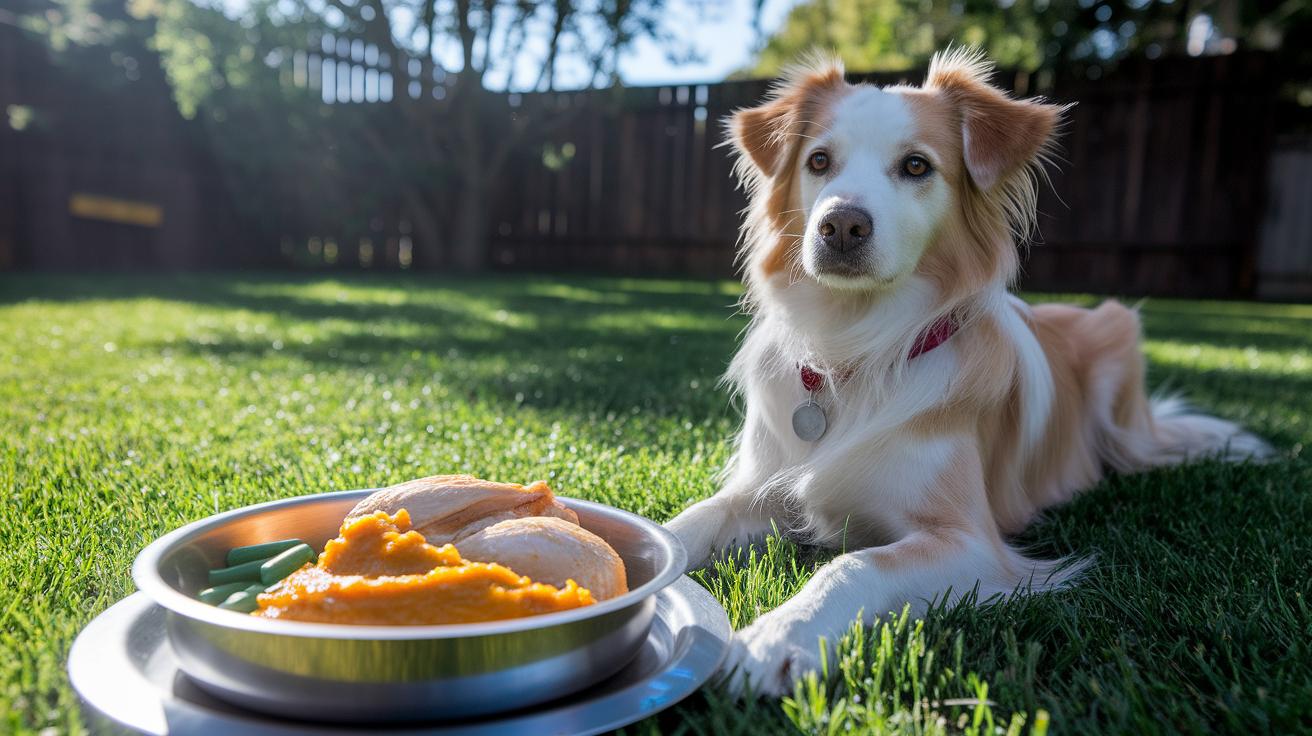
This weekly meal plan is crafted to give your furry friend a variety of tasty meals while keeping calories in check. Each breakfast and dinner offers a different protein, chicken, turkey, cod, or rabbit, paired with fiber-packed ingredients like pumpkin and green beans. Every dish gets a teaspoon of fish oil to add those good omega-3 fats, which are great for keeping your pet's skin and coat in top shape. The portions are carefully measured to help your pup slowly move towards a healthier weight.
| Day | Breakfast | Dinner |
|---|---|---|
| Monday | Chicken with pumpkin puree, 1 tsp fish oil, and a side of steamed green beans | Turkey mixed with diced carrots and green beans, adjusted for calorie goals |
| Tuesday | Cod with steamed pumpkin and a drizzle of fish oil | Rabbit combined with chopped green beans and a mix of fiber-rich veggies |
| Wednesday | Turkey with pumpkin chunks and a sprinkle of fish oil | Chicken with diced carrots and green beans for a balanced meal |
| Thursday | Rabbit with steamed pumpkin and 1 tsp fish oil | Cod with chopped green beans and carrots combined together |
| Friday | Chicken mixed with diced pumpkin and green beans plus fish oil | Turkey stirred with a blend of pumpkin and carrots for extra fiber |
| Saturday | Cod paired with pumpkin puree and fish oil | Rabbit with green beans and carrots, perfectly portioned |
| Sunday | Turkey with chopped pumpkin and 1 tsp fish oil | Chicken with green beans and carrots, balanced just right |
- Rotate proteins every day to help prevent food sensitivities.
- Adjust portions based on your pet's specific calorie needs.
- Include fiber-rich veggies in each meal to support steady digestion.
Final Words
In the action of creating balanced meals, we explored key principles of homemade dog food for weight loss. We highlighted how lean proteins, fiber-rich vegetables, and careful portioning support your pet’s health. We also covered low-calorie recipes, safe storage practices, and the importance of vet guidance. Each tip helps build a confident plan so you can whip up nutritious meals right at home. It’s all about making each bowl a step toward a healthier, happier pet. Enjoy the process and celebrate every little victory!
FAQ
What are some homemade, vet-approved, nutritionally complete dog food recipes for weight loss?
Vet-approved homemade recipes combine lean proteins, fiber-rich vegetables, and healthy oils to create balanced, low-calorie meals that promote safe weight loss while addressing specific health needs.
Can dogs lose weight on homemade food?
Dogs can lose weight on homemade food when meals are carefully portioned and nutritionally balanced, with lean proteins and veggies, while following vet recommendations for safe, steady weight loss.
What can I feed my overweight dog to lose weight?
Overweight dogs benefit from meals featuring lean proteins, fiber-packed vegetables, and a hint of healthy oil, served in controlled portions to create a calorie deficit and support gradual weight loss.
What is the best homemade dog food for a dog who needs to lose weight?
The best homemade dog food for weight loss uses ingredients such as chicken breast, carrots, and green beans with a dash of fish oil, paired with correct portion sizes and vet-approved guidelines.
What to feed a dog to put on weight homemade?
For adding weight, homemade meals can include calorie-enhancing ingredients like lean meats, rice, and extra healthy fats, but always consult your vet to tailor recipes to your dog’s unique needs.