

Ever thought a simple treat could brighten your dog's day and even change their behavior? With gentle rewards, you can guide your furry friend toward better habits while deepening your bond.
Imagine a cheerful tail wag and a soft pat on the head leading to nicer manners. Instead of using strict corrections, you show your pup what works best with kind, caring cues. In this post, you'll learn how small, positive signals can bring gentle change to your dog's everyday actions, making life sweeter for both of you.
Behavior Modification Dog Training Sparks Bright Change
Behavior modification dog training is all about gently guiding your furry friend using positive rewards. Instead of harsh corrections, you use treats, toys, or a warm word when your dog sits nicely or comes when called. Picture this: your pup wags its tail happily, and you quickly give a little treat. Even a small nod from your dog can set off a chain of good behaviors!
Trainers lean on proven methods by watching your dog’s body language and habits to know exactly when to introduce a new command or reward. This caring technique works for everything from basic manners to calming leash pulling and even quieting aggressive behaviors. Some fun training programs even step into agility sports, where focus and rewards spark even more progress.
By tailoring plans to each dog's unique personality, these training strategies help reduce stress and create lasting changes. Pet owners often notice improved manners, better stress management, and a clearer bond with their pet. It's a smart mix of gentle science and genuine care that makes everyday moments between you and your pup even more special.
Core Behavior Modification Dog Training Techniques: From Positive Reinforcement to LIMA
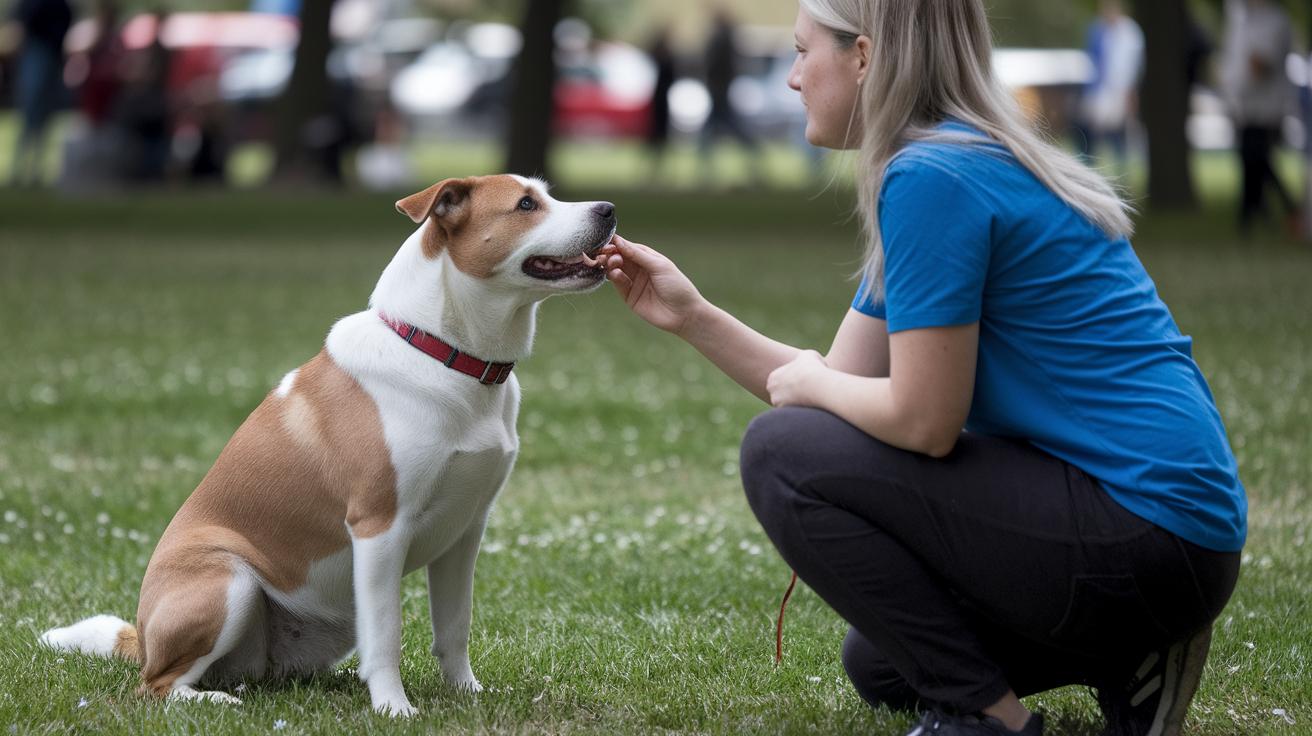
Imagine your dog catching a gentle signal and, in a heartbeat, a little treat and a kind word turn a stubborn moment into a breakthrough. That’s basically what positive reinforcement is all about. When your pup does something right, give them a reward, be it a treat, a toy, or a warm pat. This quick reward helps your furry friend learn that good behavior brings happy surprises. For instance, if your dog sits on cue, reward them immediately so they connect the dots between sitting and getting a treat.
Next, take some time to really watch your dog's body language. Notice simple hints like a slight ear tilt or a quick glance that show how they’re feeling. These cues help you decide the best moment to jump in with a reward or gently realign their behavior. Sometimes, recording a little video of these moments can help you spot patterns and figure out where to fine-tune the training, almost like making a cute highlight reel of your dog’s progress.
Now, think about the LIMA method, which stands for a minimally aversive approach. In simple terms, it means using the kindest, most gentle cues to steer behavior rather than harsh corrections. So, if your dog starts to show signs of anxiety on the leash, try using a soft-spoken command paired with a treat. This blend of calm guidance and rewards can work wonders in soothing their nerves.
And don’t forget to keep a behavior journal. Jot down what happens before, during, and after training sessions. This helps you track your dog’s progress and tweak your approach over time. Imagine noting that when Rex’s tail bursts into a wag, a quick reward brings him back to a calm state. Little notes like these can really add up to big improvements over time.
Addressing Common Behavior Challenges with Behavior Modification Dog Training
When you’re dealing with advanced training challenges, try addressing each unique problem with a special plan. It’s all about using the right strategy for each situation.
When your dog shows signs of aggression, keep an eye out for quiet clues like tense muscles or a steady stare. A gentle command along with a little treat can quickly change the behavior. For example, if you notice your dog hesitating before barking, a small reward can help guide them toward calm. Fun fact: a well-timed treat during a brief pause works just as well as one given during long stretches of calm.
For dogs that feel uneasy when left alone, build their confidence step by step. Create short, safe play sessions where your pet learns to enjoy some alone time. Then, when they come back calm, reward them and jot down those moments in a simple behavior journal to help refine your routine. Think of it like easing into a new hobby: start with a few minutes of play and then celebrate the quiet moments.
Puppies thrive with early, structured social visits. Arrange safe encounters with new people, places, or other animals, and be sure to praise or treat your furry friend when they handle it well. Picture a puppy’s eyes lighting up after a friendly greeting at the park, small rewards like that help shape a calm and confident pup.
Tools, Environment, and Resources for Effective Behavior Modification Dog Training

Creating a quiet and supportive space can really change how your dog learns new behaviors. When you're focused on changing unwanted habits, a calm environment helps your pup feel safe and ready to learn. One simple trick is using tools like crates. They set clear boundaries and help build healthy routines. Curious? Check out these dog crate training tips to get started.
Another great idea is using interactive toys that spark your dog's curiosity. These toys not only entertain but also challenge your dog's mind, much like a fun puzzle during playtime. They keep stress levels low and make training feel like a game. For more fun ideas, learn about ways to boost your pet's mental health with playful enrichment techniques.
Think about creating a special spot in your home just for training. In this space, your dog can work on commands and practice routines without distractions. Plus, online tutorials and at-home exercises can guide you through each step so you feel confident between professional sessions.
- Interactive enrichment toys spark your dog's natural curiosity.
- Crates help create a steady and relaxed environment.
Together, these simple tools and tricks set the stage for lasting, positive changes in your dog's behavior.
Working with Professional Behavior Modification Dog Training Programs
Choosing the right training program can really help your pet grow and feel more at ease. Many experts offer in-home visits and online sessions so you can work with your dog at a pace that suits both of you. It’s great because your furry friend gets guidance in the comfort of your own home.
Many dog trainers carry certifications like CDBC, ADT, LFDM, and FFCP. These badges mean they know their stuff when it comes to helping pets change unwanted behaviors. For instance, if your pup feels nervous around strangers, a trainer who specializes in pet behavior can create a plan that works just for that worry.
Training options come in many shapes and sizes. You might find Board & Train programs, group classes, or even special sessions for issues like aggression or separation anxiety. Picture a gentle classroom setting where a shy dog slowly relaxes and starts enjoying being around others. It’s all about helping your pet bloom into a more confident companion.
- In-clinic behavior retraining programs: These give your pet a safe space just for learning
- Owner-guided behavior modification: These tips blend training smoothly into everyday life
- Specialized classes and packages: Check out options via dog training classes and dog training programs
Tracking Progress and Success Stories in Behavior Modification Dog Training
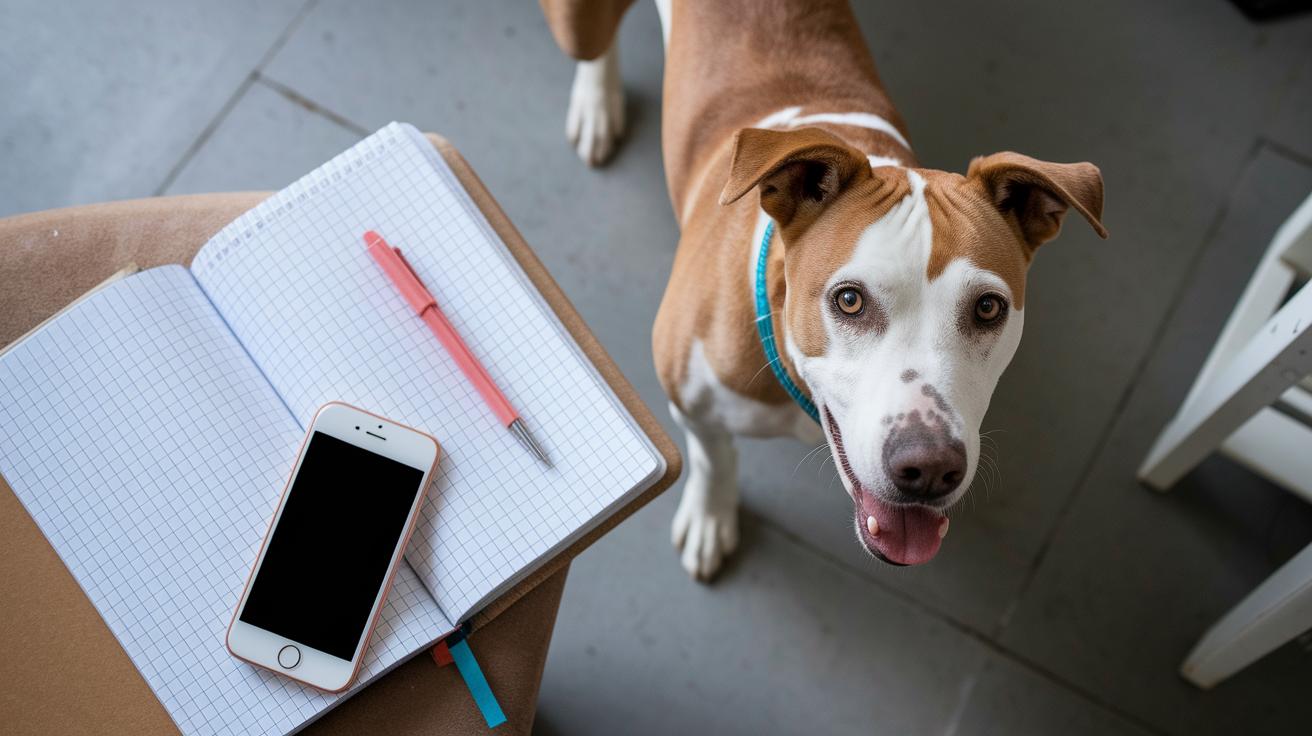
Use your behavior journal as a friendly guide. Write down simple details with the date and a few words before, during, and after each session. For example, you might write, "On 08/05, Buddy was a bit restless before training; during the session, he listened carefully; and afterward, he sat quietly."
Try recording short video clips that capture little body signals like the tilt of his ears or the movement of his tail. Each week, take a moment to look over your notes and videos to see how much progress has been made in correcting his behavior.
- Keep a daily log with dates and simple notes.
- Record brief videos during training sessions.
- Review your notes and videos each week to track Buddy's improvement.
Sustaining Progress: Long-Term Behavior Modification Dog Training Strategies
Keeping your dog's progress strong is all about mixing regular training with fun activities that work both the body and mind. It helps to schedule follow-up sessions or periodic refresher courses so your furry friend remembers the good behaviors you’ve built together. Imagine wrapping up your morning walk with a quick five-minute review of commands, complete with a little treat, just like playing a friendly game.
Board and train maintenance programs offer an extra boost by giving your dog a focused space to keep learning. They’re a real lifesaver when you notice small slip-ups in your pup's routine. Plus, throwing in fun fitness activities like agility drills or nose work keeps your pet engaged both mentally and physically. These well-planned play sessions not only prevent old habits from creeping back but also help ease pet anxiety.
- Include periodic refresher classes to reinforce what your dog has learned.
- Blend energetic play, like agility drills, with quiet review sessions.
- Mix structured training moments with fun, everyday interactions.
When you combine these techniques, every little win adds up over time. This active and loving routine boosts good behavior and helps your dog stay sharp, happy, and full of life for the long haul.
Final Words
In the action, we walked through behavior modification dog training principles that focus on positive reinforcement and the LIMA approach. We explored solid techniques, practical tools, and professional programs to help reduce stress and improve canine conduct. We even shared tips on tracking progress with journals and videos to see real-life changes. All these strategies work together for lasting improvements, ensuring your pet enjoys a happier, healthier life. With behavior modification dog training, every step forward builds a positive future filled with trust and tail-wagging joy.
FAQ
Free behavior modification dog training
Free behavior modification dog training refers to community workshops and online resources that share tips and techniques like positive reinforcement and LIMA, offering guidance without a fee to help improve your dog’s behavior.
Behavior modification dog training near me
Behavior modification dog training near you means finding local trainers or pet centers that provide programs focused on positive reinforcement and environment adjustments, making it easier for you to access in-person support.
How does behavior modification help dogs with anxiety and separation distress?
Behavior modification for dogs with anxiety and separation distress involves using reward systems, gradual exposure, and calming techniques to ease stress, encouraging your dog to feel safe and relaxed when alone or in new situations.
What are some behavior modification examples and techniques?
Behavior modification examples include rewarding calm behavior with treats or praise, while techniques involve using positive reinforcement and structured cues to help your dog learn new, more acceptable responses in everyday situations.
How can I correct aggressive dog behavior?
Correcting aggressive dog behavior means applying consistent positive reinforcement strategies and minimally aversive cues to replace unwanted responses, along with careful monitoring and professional consultation when needed.
What does behavior modification therapy involve?
Behavior modification therapy in dog training involves a structured approach using reward-based systems, gradual behavior changes, and detailed tracking, aiming to replace problematic actions with calm and positive alternatives.
What is behavior modification in dog training?
Behavior modification in dog training is the process of using positive reinforcement and clear cues to change unwanted behaviors, leading to better manners and improved overall conduct in your pet.
How do you train a dog with behavioral issues?
Training a dog with behavioral issues involves identifying problem behaviors, applying reward-based methods, and maintaining consistency through clear signals and environmental management to encourage lasting, positive changes.
What are the 5 D’s of dog training and the 5 principles of behavior modification?
The 5 D’s and principles often include clear communication, timely rewards, consistent application, gradual change, and patience, all of which work together to build positive habits and improve your dog’s daily behavior.