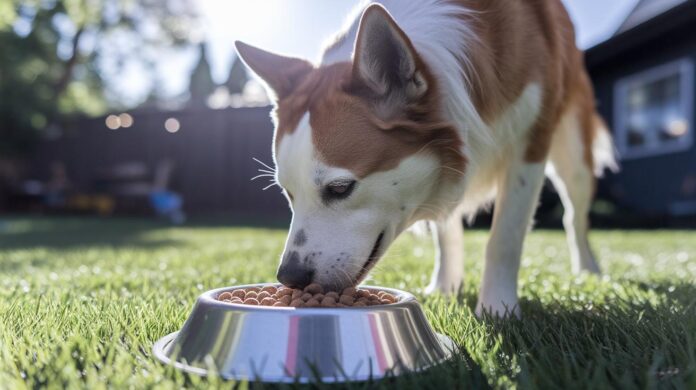

Have you ever wondered if your dog's food might be behind those annoying rash and tummy troubles? You’re in good company, many pet parents have had the same thought when they noticed their pup scratching or feeling uneasy.
There are special formulas available that avoid common allergens. Some options include hydrolyzed protein kibble (that means the protein is broken down into smaller pieces to be gentler on digestion) and grain-free blends. These recipes can help ease a sensitive belly and soothe irritated skin.
When you choose the right food, you might notice more days filled with wagging tails, cheerful barks, and plenty of snuggles. Have you ever seen your dog perk up after a meal? It might just be their way of saying, “This feels great!”
Expert-Recommended Best Dog Food for Allergies: Pawsitive Pup Wellness

We chose these special formulas because they use quality ingredients, handpicked proteins, and have the support of trusted vets. They skip common allergens like beef, lamb, wheat, eggs, soy, and corn. Instead, these recipes include hydrolyzed proteins (broken down proteins that are easier on your pet’s tummy), unique protein sources, and even options with fewer ingredients or no grains. All of this helps soothe your furry friend’s sensitive tummy and skin.
- Hydrolyzed protein kibble
- Limited-ingredient recipe with salmon and sweet potato
- Grain-free blend featuring venison and potato
- Vet-approved formula with duck and pea
- All-natural alternative with lamb and rice
Each option is designed to meet a specific need for allergy relief. For example, the hydrolyzed protein kibble has proteins broken down into tiny pieces so your dog can digest them easily without triggering a reaction. The salmon and sweet potato recipe offers a fresh, less common protein paired with simple ingredients to help reduce flare-ups. The venison and potato blend skips the grains that might worsen allergies, while the duck and pea formula delivers a balanced mix of nutrients without triggering common allergens. And the lamb and rice alternative gives a gentle protein choice for pups who might find regular ingredients too harsh.
Together, these formulas offer pet parents a safe and nutritious way to help manage their dog’s allergy symptoms. Have you ever noticed how a meal that truly suits your pet makes their day a little brighter?
Dog Food for Allergies: Recognizing Symptoms and Diagnosis

When your dog reacts to certain foods, it means their immune system is overreacting to a protein. Sometimes, though, it's just a soft tummy upset and not a full immune reaction. You might notice red patches on their ears or body after eating something specific. This can lead to itching, swelling, rashes, or even tummy troubles like vomiting or diarrhea. In fact, about one in every four cases of canine skin issues is linked to food problems.
Here are a few friendly tips to help you keep track:
- Watch for skin issues, especially around the ears and paws.
- Notice any unusual tummy symptoms, like vomiting or odd stools.
- Try an elimination diet by removing the foods you suspect might be causing the trouble.
- And be sure to visit your vet to chat about what you’ve observed.
Working closely with a vet is really important. They’ll help you figure out if the symptoms are due to food allergies or even something in the environment. Often, they may suggest a few tests to pinpoint the exact allergen because home tests alone can sometimes miss the mark. This way, you can tell the difference between a true allergy and a sensitivity, ensuring your furry buddy gets the best care possible.
Dog Food for Allergies: Recognizing Unseen Triggers

It’s important to spot triggers because sometimes your pup’s allergies aren’t just about food. Earlier sections went over common ingredients like beef, lamb, wheat, eggs, soy, and corn, but now we're looking at hidden factors that can stir up allergic reactions. Sometimes, environmental elements mix with food sensitivities to add to your dog's discomfort. For instance, some dogs only start to show improvement on an elimination diet when both their diet and surroundings are carefully monitored.
- Dust and dust mites
- Pollen from grasses and trees
- Mold spores from damp spots
- Flea saliva from little insect bites
- Urban air pollutants
- Household chemicals
Figuring out every trigger can be tricky. Try keeping track of both food changes and environmental influences, much like you’d note every detail when tweaking your pet’s daily routine. This careful note-taking can help uncover those unseen factors that might be bothering your furry friend.
Key Ingredients in Best Dog Food for Allergies

When you’re choosing a dog food for allergies, start by looking at quality ingredients. They help soothe your pet’s skin and boost their overall health. A good mix of nutrients calms inflammation, aids digestion, and reduces those pesky immune triggers.
Omega Fatty Acids: benefits for skin barrier
Omega-3 and omega-6 fatty acids work together to build a strong skin barrier. They help ease redness and dryness while keeping your pet’s coat soft and shiny. A little splash of fish oil can really calm irritated skin and make a noticeable difference.
Hydrolyzed Proteins: reduced immune triggers
Hydrolyzed proteins are broken into smaller pieces that are easier for your dog’s tummy to handle. This means fewer allergic reactions, which is super important for dogs with sensitive systems. It’s like giving them food that’s gentle on their insides.
Novel Proteins: unique sources to avoid cross-reactivity
High-quality recipes sometimes use unique proteins, like venison or duck. These alternative protein sources help avoid the common allergens found in traditional proteins. It’s a fresh option that minimizes allergen exposure for your furry friend.
Digestive Aids: probiotics and prebiotics
Probiotics (good bacteria that help your pet’s digestion) and prebiotics work hand in hand to support healthy digestion. They boost nutrient absorption and keep your pet’s gut happy, which contributes to their overall well-being.
Together, these ingredients form a gentle, allergy-friendly formula that soothes skin, cuts down on immune triggers, and keeps digestion running smoothly. Your pet will thank you for it!
Comparing Homemade and Commercial Best Dog Food for Allergies

When you make your dog's meals at home, you’re in charge of every ingredient. Homemade recipes let you pick fresh proteins and veggies that your pup will love, and many pet parents find joy in creating meals tailored just for their furry friend. It’s a bit like putting together a special recipe where every ingredient counts for your pet’s well-being. But, it can be a bit tricky to get the right balance of nutrients, and you might need a little trial and error to see what works best.
On the other hand, commercial or prescription dog food gives you the comfort of balanced nutrition supported by veterinarian advice. These foods are carefully made to meet strict nutritional standards while keeping allergens at bay. They’re also super convenient, saving you time while keeping your dog’s diet consistent. With thorough testing behind them, these meals usually cover all the nutritional bases that might sometimes be missed in a homemade approach.
| Factor | Homemade Diet | Commercial Diet |
|---|---|---|
| Cost | Can be cheaper if you shop wisely | Often pricier due to vet testing and quality checks |
| Nutritional Balance | May miss some essential nutrients | Provides a measured, complete balance |
| Convenience | Takes time and effort to prepare | Ready-to-serve, saving you time |
| Safety | Relies on careful ingredient sourcing and preparation | Formulated and tested under controlled conditions |
| Vet Support | May lack ongoing professional guidance | Backed by established vet endorsement |
A fun way to get the best of both worlds is to mix homemade toppers with a commercial base. That way, you can add a burst of extra flavor and nutrients while knowing your dog is enjoying a well-rounded, vet-approved meal.
Transitioning to Best Dog Food for Allergies: Step-by-Step Guide

Switching your pup's food too quickly might cause tummy troubles like vomiting or diarrhea. Taking your time with the change lets your furry friend adjust slowly, keeping their sensitive belly calm.
- For the first two days, mix one-quarter of the new food with three-quarters of the current food.
- Next, for the following two days, join equal parts new and old food.
- On days five and six, bump up the new food to three-quarters while reducing the old food to one-quarter.
- Continue slowly increasing the new food, and keep a close watch on how your dog is doing.
- By day seven, offer only the new food while staying alert for any signs of digestive issues.
- Once fully switched over, observe and note any changes in your dog’s behavior or overall health.
If you see ongoing symptoms like vomiting, diarrhea, or discomfort at any point, pause the transition and check in with your vet. This careful approach helps ensure that the new diet is gentle and truly supportive of your dog's well-being.
Dietary Management Tips for Dogs with Allergies

When your dog struggles with allergies, adding a few extra supplements can really help soothe their discomfort. Supplements like fish oil, omega fatty acids, probiotics (good bacteria that help your pet’s digestion), and even CBD work alongside allergy relief dog food. They team up with a balanced meal plan to ease itching and calm inflamed skin.
Try serving meals at the same time every day to support steady digestion. Always have fresh water nearby to help flush out toxins. Switching up protein sources from time to time can prevent any one allergen from building up. You can also mix in natural ingredients like turmeric or ginger, which may help lower inflammation. Keep a close watch on your dog’s weight because any changes might mean it’s time for a diet tweak. And don’t forget those regular vet check-ups to fine-tune the allergy management plan.
By regularly reviewing your dog's diet, you can make sure their nutritional needs are met as they grow and change. A dedicated plan lets you spot when adjustments in meal composition or timing are needed. Working with your vet and using trusted daily wellness formulas, like wellness dog food, will help maintain a plan that supports both skin health and proper digestion. This careful attention helps keep your furry friend comfortable and happy.
FAQs on Choosing the Best Dog Food for Allergies

Choosing the right food for your pet can feel tricky, especially when allergies are in the mix. Here’s a quick guide to help you find more details in each part of our article.
-
How reliable are at-home allergy tests?
Home tests aren’t always as accurate as a vet’s check-up. For more info, see our vet evaluation section. -
What is the difference between homemade and commercial diets?
Making food at home means you control every ingredient, while commercial diets offer balanced meals backed by solid research. Check out our nutrition guide for more details. -
Do supplements have a role in managing allergies?
Supplements, like fish oil and probiotics (good bacteria that help your pet’s digestion), can ease skin and tummy troubles. More tips are in our supplement benefits section. -
Are grain-free formulas beneficial for relief?
Grain-free diets can help by removing common irritants for sensitive pets. For more details, visit our grain alternatives segment. -
When should my vet be involved in dietary changes?
It’s a good idea to get your vet’s advice when starting a new diet or tweaking your pet’s food because of ongoing symptoms. See our pet health consultation section for guidance. -
How do I know when to switch formulas?
If your pet’s allergy symptoms stick around, it might be time for a gentle change. Our diet transition strategies section offers a step-by-step guide. -
What role do environmental allergens play in my pet’s condition?
Things like pollen or dust can also affect your pet’s allergies, so managing these triggers alongside their diet is key. Check our environmental management section for more advice. -
Can budget-friendly options meet my pet’s allergy needs?
Yes, there are many wallet-friendly formulas designed to soothe sensitive skin while providing balanced nutrition. See our product review section for more insights.
Final Words
In the action, this article walked through pet-friendly steps like identifying allergy symptoms, spotting common triggers, and comparing dietary options. It broke down expert-recommended formulas, highlighted powerful ingredients, and explained safe transitions to new diets. Each section offered practical tips and simple lists to help you feel confident in your pet care decisions.
With thoughtful guidance on choosing the best dog food for allergies, every pet parent can create a happier, healthier life for their furry friend.
FAQ
What is the best dog food for allergies, yeast infections, and sensitive stomachs?
The best dog food for allergies avoids common triggers like beef, lamb, wheat, corn, and soy, using alternative proteins and limited ingredients to help soothe skin and support sensitive stomachs.
What is the best dry dog food for skin allergies and yeast infections?
The best dry dog food for skin allergies and yeast infections uses gentle, hypoallergenic ingredients that steer clear of known allergens while providing balanced nutrition to reduce irritations.
Can homemade food be good for dogs with skin allergies?
Homemade food for dogs with skin allergies lets you control every ingredient, allowing you to avoid common triggers and include soothing nutrients, while working with a vet to keep meals balanced.
What food is good for dogs with itchy skin?
Dog food good for itchy skin contains minimal ingredients and restorative nutrients like omega fatty acids that help calm irritation and maintain a healthy, comfortable coat.
What food should be avoided for dogs with skin allergies and yeast infections?
Foods to avoid for dogs with skin allergies and yeast infections include those with proteins like beef or lamb and grains such as wheat, corn, and soy, which can worsen allergy symptoms.
Which ingredient in dog food is most likely to cause skin allergies?
A common culprit behind skin allergies in dogs is a traditional protein source, like beef or lamb, especially when recipes include additional allergens like grains that can trigger reactions.