

Have you ever wondered if the food you give your older dog could brighten their later years? It turns out that a balanced mix of proteins, fats, and carbs can help manage weight and ease joint aches that come with age.
Nearly one in four dogs over age seven struggle with weight issues, so the right kind of nutrition does more than just satisfy their taste buds. It helps keep them light on their paws and full of energy.
In this chat, we’re exploring how choosing the right dog food for seniors can bring comfort and a spring in their step. Have you noticed how a happy, active dog can make your day just a little bit better?
Finding the Best Senior Dog Food: Core Criteria for Health and Longevity
When your furry friend reaches their golden years, every bite counts. Senior dogs need meals that match their slower pace. Choosing food that's lower in calories and salt can help keep extra pounds at bay and support a healthy heart. Did you know nearly one in four dogs over age 7 struggles with weight, and almost half of those over 10 battle arthritis? It really highlights how a balanced diet can make a huge difference. Most vets start calling dogs seniors around age 7 and suggest finding diets that adjust protein, fat, and carb levels for better energy and joint care.
Breed size also plays a big role in what kind of food is best. Smaller breeds, which can grace our lives for 15 to 20 years, often need meals that fuel long-term energy without extra calories. Meanwhile, larger dogs typically live 12 to 15 years and might face joint issues earlier, so they benefit from meals with less fat and a protein boost. It’s like giving a little treat to one loyal friend and a carefully measured snack to another. This thoughtful approach helps maintain muscle, control weight, and keeps your buddy moving easily. In other words, the best senior dog food is more than just tasty, it’s a tailored solution that supports your pet’s changing needs as they age.
Key Ingredients in Senior Dog Food for Optimal Nutrition
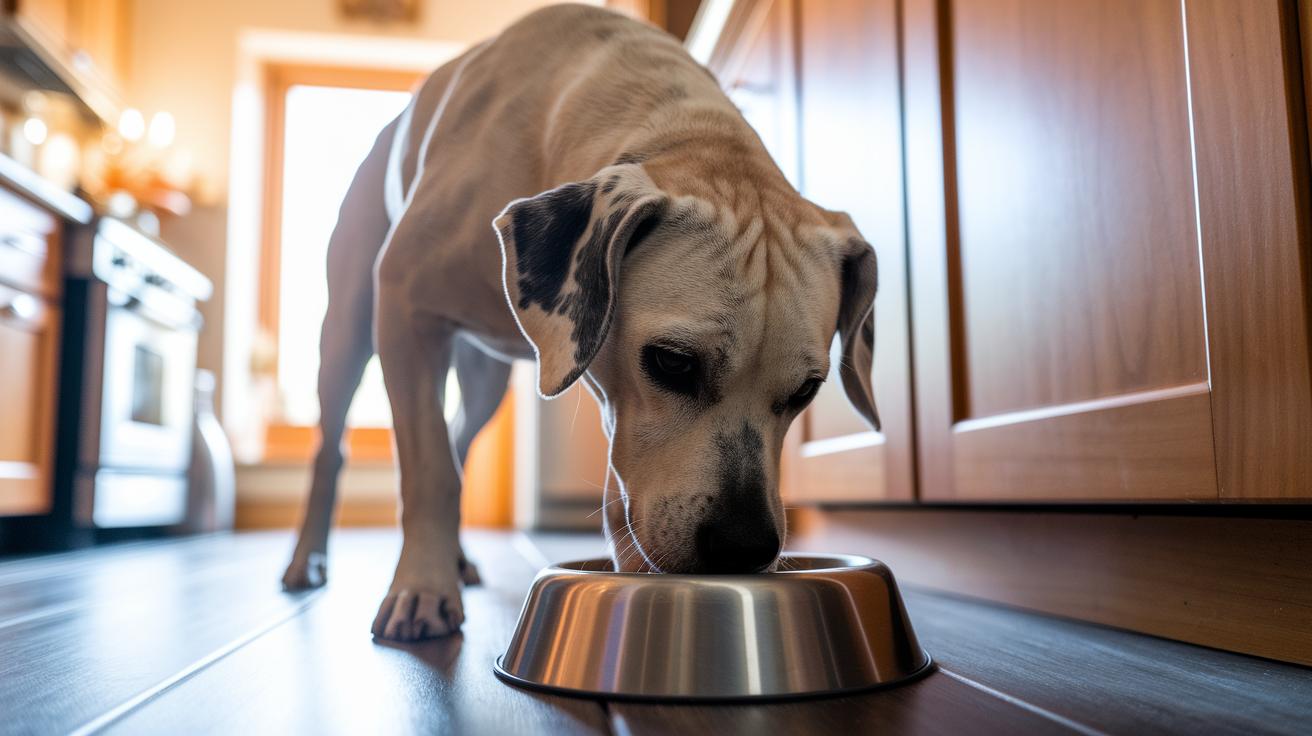
As our furry friends grow older, their diet needs change too. Now that their playful energy might mellow out a bit, they need food that truly supports their aging bodies. Meals designed for senior dogs bring together the right amounts of protein, fat, and carbs to keep muscles strong, coats shiny, and energy levels up. Imagine the soft brush of a pet's fur as you mix high-quality animal proteins with balanced fats that nourish their skin. Add in natural fibers for smooth digestion, and ingredients like glucosamine to ease joint aches, especially important when arthritis starts to creep in. A few nutrient-rich antioxidants can also give their immune system a gentle boost, making every bite count.
- High-quality animal proteins: help maintain strong muscles.
- Omega-3 and Omega-6 fatty acids: promote healthy skin and a glossy coat.
- Natural fiber sources like beet pulp or pumpkin: aid in smooth digestion.
- Glucosamine and chondroitin: support joint comfort for aging pups.
- Vitamins C and E: strengthen the immune system.
Remember, choosing recipes that are AAFCO-approved and backed by feeding trials means your senior friend enjoys a balanced, complete diet. These meals are free from fillers, artificial preservatives, and by-product meals. By carefully selecting nutrient-dense ingredients, you help meet their changing dietary needs and keep their spark alive.
Top Rated Dog Foods for Senior Dogs: Dry and Wet Options
Senior pups need meals that change with their bodies, so it's important to pick formulas rich in essential nutrients. These options mix tasty proteins, simple digestive helpers, and joint-loving supplements to make eating a delight. The table below shows a range of choices, from crunchy dry kibble to savory wet meals, each made with your aging dog in mind.
When you choose the right food, you help your furry friend feel energetic and comfortable. These recipes support muscle, boost energy, and take on age-related challenges one bite at a time. Whether you're focusing on better digestion, clearer thinking, or happy, flexible joints, these top picks bring a well-rounded meal plan made just for mature dogs.
| Brand & Formula | Type | Key Features |
|---|---|---|
| Hill’s Science Diet Adult 7+ Chicken Meal, Barley & Brown Rice Recipe | Dry Kibble | Real chicken and prebiotic fiber help with smooth digestion. |
| Royal Canin Size Health Nutrition Small Aging 12+ | Dry Kibble | An antioxidant blend that supports heart and gut health. |
| Purina Pro Plan Bright Mind Adult 7+ | Dry Kibble | Botanical oils boost brain function in senior dogs. |
| Wellness CORE Grain-Free Senior Dog Food | Dry Kibble | Glucosamine and chondroitin help keep joints happy and healthy. |
Choosing the right food can really change your dog's day. These meals pack all the necessary nutrients and ease the challenges that come with getting older. So whether you're looking to help your buddy digest well, stay sharp, or keep moving comfortably, these specially crafted options are here to help.
How to Transition Senior Dogs to New Food

Your vet will usually suggest switching your senior dog's food slowly over about 7 to 10 days. Start off by mixing 25% new food with 75% of the old food, then every 2 or 3 days, add a bit more of the new food until it's all new. This gentle change helps your dog's tummy adjust and can stop issues like an upset stomach or even diarrhea.
Think of it like adding a tiny scoop of a new treat into your dog's regular meal, and then making that treat a little bigger at each meal. It’s almost like introducing a new friend slowly, you want your dog to get used to the new taste and texture without any surprises.
Keep an eye on your dog’s appetite and how their stool looks. If things seem off or your pet isn’t feeling great, don’t hesitate to give your vet a call for advice.
Mixing regular adult kibble with senior recipes is fine too. Taking it slow not only helps your dog get used to new textures but also to different nutrients that come with a diet designed for their age. This careful changeover supports a gentle digestion process while keeping an eye on weight and calories, making sure your beloved older companion enjoys the food that suits their changing needs.
Senior Dog Food for Specific Needs: Breed Size, Health Conditions, and Texture
When it comes to picking food for our older fur friends, it’s all about understanding what makes each pet unique. As our dogs age, their needs change whether they’re a small bundle of energy or a larger, more laid-back companion. That’s why it's important to choose a meal that carefully balances calories, protein, and texture so that every mealtime feels special and keeps them feeling their best.
Small Breed Considerations
Small dogs like Chihuahuas often stick around for many years, even up to 15 or 20, so they need a little extra love in every bite. They thrive on foods that pack plenty of calories and nutrients in just a small portion. Think of it like a tiny, powerful meal that’s full of good stuff, especially antioxidants and balanced nutrients. It’s like giving your best buddy a little burst of energy to keep them bright and bouncy through every play session.
Large Breed Considerations
Bigger dogs, such as Labradors, may start feeling joint discomfort earlier on, so their food should help take some of that weight off their joints while keeping digestion smooth. Feeding them meals that come in a rehydrated form makes it easier to chew and enjoy, almost like a gentle massage for their mouth. Plus, these meals are packed with ingredients that support joint and muscle health, making every walk a little easier to enjoy.
Health Condition-Specific Diets
Sometimes, our pets face health challenges like diabetes, kidney trouble, or heart issues. In these cases, special diets are a must. These meals usually have less sodium and sugar and are designed with advice from a vet. It’s a thoughtful way to manage tricky health issues, ensuring your furry friend gets the nourishment they need without any extra baggage.
Texture and Chewability Needs
Older dogs might also have trouble with hard kibbles if their teeth aren’t as strong as they used to be. For those times, softer wet foods or rehydrated kibbles are a lifesaver. They are gentle on the mouth while still offering all the important nutrients that keep your pet happy and well-fed.
Always keep an eye on how your dog reacts to different foods. A small change in their eating habits might call for a tweak in their diet. Chat with your vet to create a plan that perfectly matches your senior pet’s changing needs. Isn't it comforting to know you're doing everything you can to make their golden years truly joyful?
Vet-Recommended Senior Dog Diets and DIY Meal Options

Vets love diets like Hill’s Science Diet Senior 11+ Adult Small Paws and Purina Pro Plan Veterinary Diets DH Dental Health because they’re specially made for our older dogs. These foods mix just the right amounts of lean proteins, moderate fats, and fewer carbs to help keep our furry friends at a healthy weight. Plus, they ease stress on aching joints and give the immune system a little boost.
If you enjoy cooking for your pet, you can also prepare balanced DIY meals. Following simple AAFCO guidelines means including lean proteins, complex carbs, and a bit of omega fatty acids (good fats that keep your pet’s coat shiny). Many pet parents add a multivitamin blend to help avoid nutrient gaps, making it easy to fine-tune meals as your senior dog’s energy needs change.
For those who love a hands-on approach, mixing vet-approved commercial diets with homemade recipes is a smart plan. By carefully watching portion sizes and ensuring a balanced diet, you can help maintain muscle strength, support digestion, and boost overall well-being, all while keeping your senior pup happy and healthy.
Frequently Asked Questions About Senior Dog Food
We’ve put together some friendly tips and insights to help you adjust your furry friend's meals as they get older. It’s all about matching their diet to their breed needs and keeping them happy and healthy.
At What Age Should I Switch to Senior Dog Food?
Most pups might be ready for a new diet around age 7, though larger dogs can show signs earlier. Watch for little changes in behavior and energy. If you notice your dog slowing down, it might be time for a careful, gradual switch. For example, if your Great Dane is less lively at six, consider easing them into a senior-friendly food routine.
Should I Feed Wet, Dry, or Mixed Diets to Senior Dogs?
Each option has its perks. Wet food helps keep your pet hydrated, while dry kibble can support dental health. Often, a mix of both works best, especially if your dog has trouble chewing or sensitive teeth. Imagine serving a soft, warm meal that’s gentle on their mouth, it can make mealtime extra cozy.
Do Senior Dogs Need More Protein?
Senior dogs do need enough high-quality protein to keep their muscles strong, but too much can be an issue, especially if they have heart or kidney concerns. It’s like finding just the right amount of cream for your coffee: a little helps balance things out without overwhelming their system. If your pet has extra needs, asking your vet about a custom meal plan can be really helpful.
What Ingredients Should I Look for in Senior Dog Food?
Take a close look at formulas made with animal-based proteins, omega fatty acids, dietary fiber, and natural digestion aids. If your dog is dealing with joint or mobility issues, ingredients like joint support additives and antioxidants can be a big help. Think of it like a salad dressing where every ingredient has its part in keeping everything balanced and tasty for your pet.
Final Words
In the action, we explored how tailored ingredients, careful transitions, and specialized diets all work together to promote senior dog health. We broke down the roles of proteins, fats, and joint supports, and highlighted top choices and vet-approved options.
Step by step, we made it easier to understand what makes the best dog food for senior dogs, guiding pet parents through smarter decisions with a friendly, clear touch. Keep smiling as you help your furry friend age gracefully.
FAQ
Q: What is the healthiest wet dog food for senior dogs?
A: The healthiest wet dog food for senior dogs emphasizes nutrient-rich ingredients like high-quality protein, essential vitamins, and omega fatty acids that boost hydration and overall vitality.
Q: What are the vet-recommended senior dog food options?
A: The vet-recommended senior dog food options feature formulas like Hill’s Science Diet and Purina Pro Plan, which provide balanced nutrition, joint support, and low-calorie recipes to help manage weight and maintain health.
Q: What type of dog food is best for senior dogs with bad teeth or arthritis?
A: The best food for senior dogs with bad teeth or arthritis focuses on soft textures, such as wet food or moistened kibble, often enriched with glucosamine and omega fatty acids to promote easier chewing and joint comfort.
Q: How does the 80/20 rule for dog food work?
A: The 80/20 rule for dog food means starting with 80% of your pet’s current food mixed with 20% of the new formula, gradually increasing the new portion to help reduce digestive upset during the diet transition.
Q: Is it worth buying senior dog food?
A: The decision to buy senior dog food is worthwhile because these formulas are designed with aging dogs in mind, offering targeted nutrition for better joint support, weight control, and overall well-being.
Q: Which dog foods are often recommended on Reddit for senior dogs?
A: Reddit often recommends senior dog foods that focus on balanced formulas, high-quality proteins, and joint support, providing targeted nutrition that meets the unique needs of aging pets.
Q: What options are best for small breeds and senior Labradors?
A: The best options for small breeds and senior Labradors offer breed-specific nutrition; small breeds benefit from calorie-dense formulas, while larger breeds receive recipes with joint support and fewer calories.
Q: Can you feed human food for senior dogs?
A: The idea of feeding human food for senior dogs suggests that some safe, whole ingredients can supplement their diet, but it’s crucial to consult your veterinarian for balanced meal plans that avoid harmful foods.