

Have you ever thought that your dog's diet might be the key to a happier, itch-free life? For many pet parents, finding that perfect hypoallergenic food can feel like solving a tricky puzzle. When your furry friend struggles with itchy skin or an upset tummy, every bite really matters.
In this post, we dive into some special foods that help lower allergens while keeping your dog cheerful. With smart, simple ingredient choices, mealtime can become a soothing remedy that eases discomfort and lifts your pet's overall well-being.
Best Hypoallergenic Dog Food for Joyful Pups
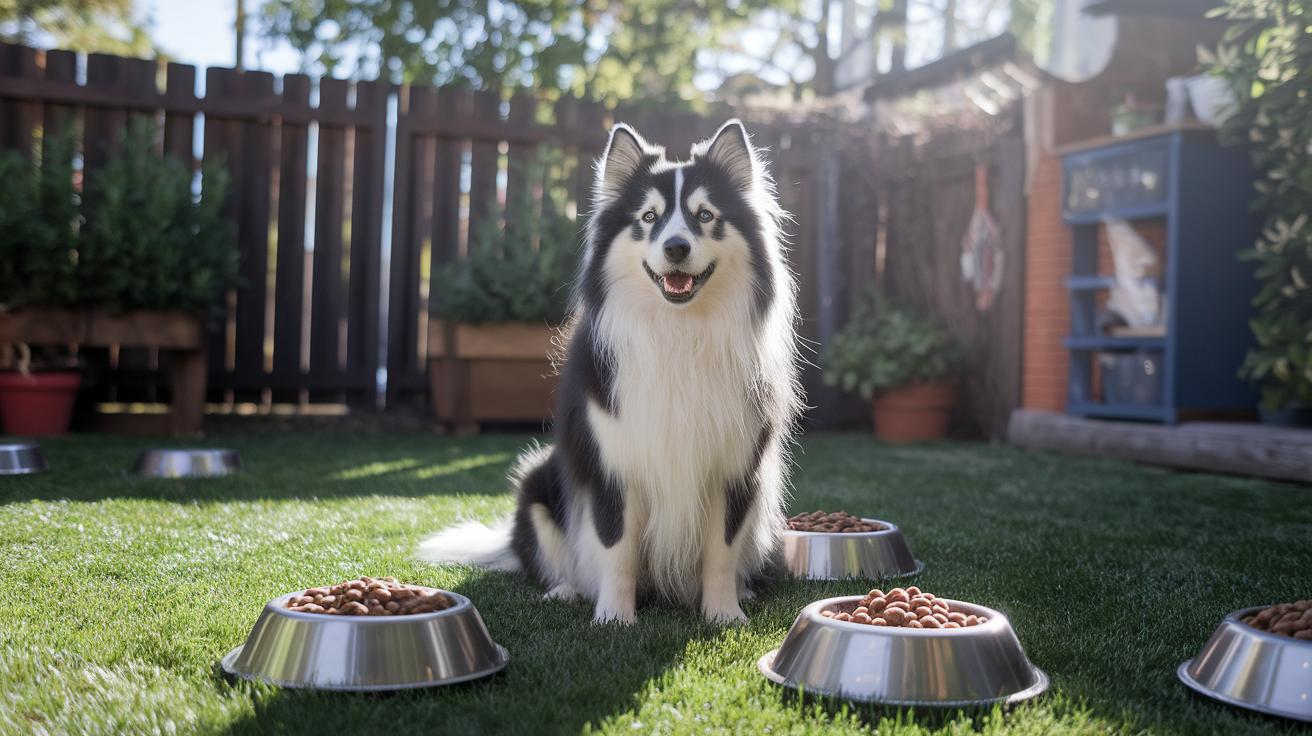
If your furry friend struggles with itchy skin or an upset tummy, finding the right food can feel like a small quest. These five standout products are all about cutting down allergens while supporting your pup’s overall well-being. They’re specially crafted to ease issues like itchiness and tummy troubles. For instance, Royal Canin uses hydrolyzed proteins and fibers to help comfort sensitive skin, and Hill’s Prescription Diet has a unique single-molecule protein that keeps reactions to a minimum. Want to dive deeper? Visit Best Dog Food for Allergies – https://goodkaws.com?p=254 for more details. Each option has its very own approach, so there’s something perfect for every pup.
When you think about it, there’s a great mix of careful ingredient choices and creative protein sources here. Meals For Mutts, for example, stays away from common allergens like corn, wheat, soy, and dairy. Ivory Coat offers a vet-approved, grain-free formula that skips wheat, soy, rice, and animal by-products. And if you’re looking for something as close to nature as possible, the freeze-dried raw option keeps the natural nutrients and flavors intact.
| Product | Protein Source | Formula Type | Best For |
|---|---|---|---|
| Royal Canin | Hydrolyzed proteins | Dry formula | Sensitive skin |
| Hill’s Prescription Diet | Single-molecule protein | Prescription diet | Targeted allergy relief |
| Meals For Mutts | Limited ingredient proteins | Dry formula | Common allergen sensitivities |
| Ivory Coat | Custom blend proteins | Grain-free | Gut sensitivities |
| Freeze-Dried Raw | Raw nutrient retention | Freeze-dried raw | Natural nutrition lovers |
When choosing the best food, consider what your dog really needs. Pups with more serious allergies might benefit from Hill’s, while those with milder issues could do well with Royal Canin or Meals For Mutts. Ivory Coat is a solid pick for pups with digestive sensitivities, and the Freeze-Dried Raw option is great if you love the idea of a natural, nutrient-rich meal. Each product offers something special, ensuring every joyful pup gets the support they need to stay healthy and happy.
Understanding Hypoallergenic Dog Food and Common Canine Allergens

Hypoallergenic dog food is made with care to avoid ingredients that might upset your dog's tummy or skin. It skips common triggers like wheat, chicken, beef, BHA, BHT, corn, soy, and by-product meals that can cause irritation. Instead, these recipes use fewer ingredients, unique proteins, and even hydrolyzed proteins (which means the proteins are broken down to be easier on the immune system). One pet parent even said, “After we removed corn and soy, Max’s coat started shining and his tummy felt so much better.”
Sometimes, regular dog food has too many ingredients that might bother some pups. While these components are fine for many dogs, they can cause an overreaction in others. This means your dog's immune system might get confused and start attacking harmless proteins or additives, leading to itchiness or upset stomachs. Imagine your pup feeling a constant itch until the ingredient causing the issue gets taken out of the food.
Switching to hypoallergenic meals can really help soothe both skin and tummy troubles. When dogs eat foods that cause reactions, they might get bloated, have diarrhea, or even vomit. A well-designed diet, like one meant for a “Dog food for sensitive stomach,” often makes all the difference. Many pet owners notice their dogs have more energy and sporting shiny coats after the switch.
Key Nutritional Strategies in Hypoallergenic Pet Diets
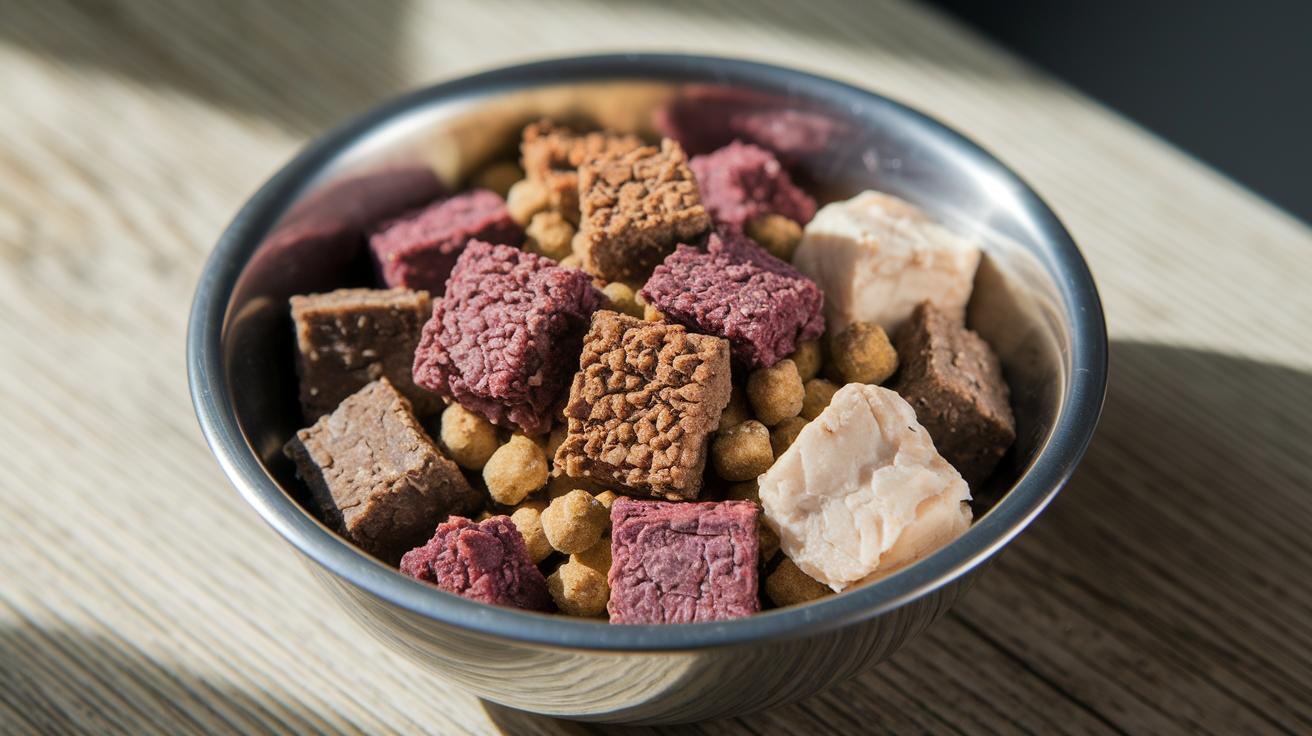
A good hypoallergenic diet carefully cuts out extra ingredients that might trigger allergies, focusing instead on a few, high-quality sources of protein and carbs. These diets often use techniques like hydrolyzed proteins (proteins broken into smaller pieces for easier digestion), unique protein choices, and a clean, simple ingredient list to gently support your pet’s sensitive system.
• Kangaroo
• Venison
• Duck
• Fish
These alternative proteins are picked because they’re less likely to cause common food allergies while still giving your pet a balanced spread of nutrients.
When proteins are pre-broken down, it’s like giving your pet a little head start on digestion. This approach eases the immune response, and our furry friends may enjoy healthier skin, a shinier coat, smoother digestion, and less itching overall.
Transitioning to a Hypoallergenic Diet: Vet-Recommended Protocols
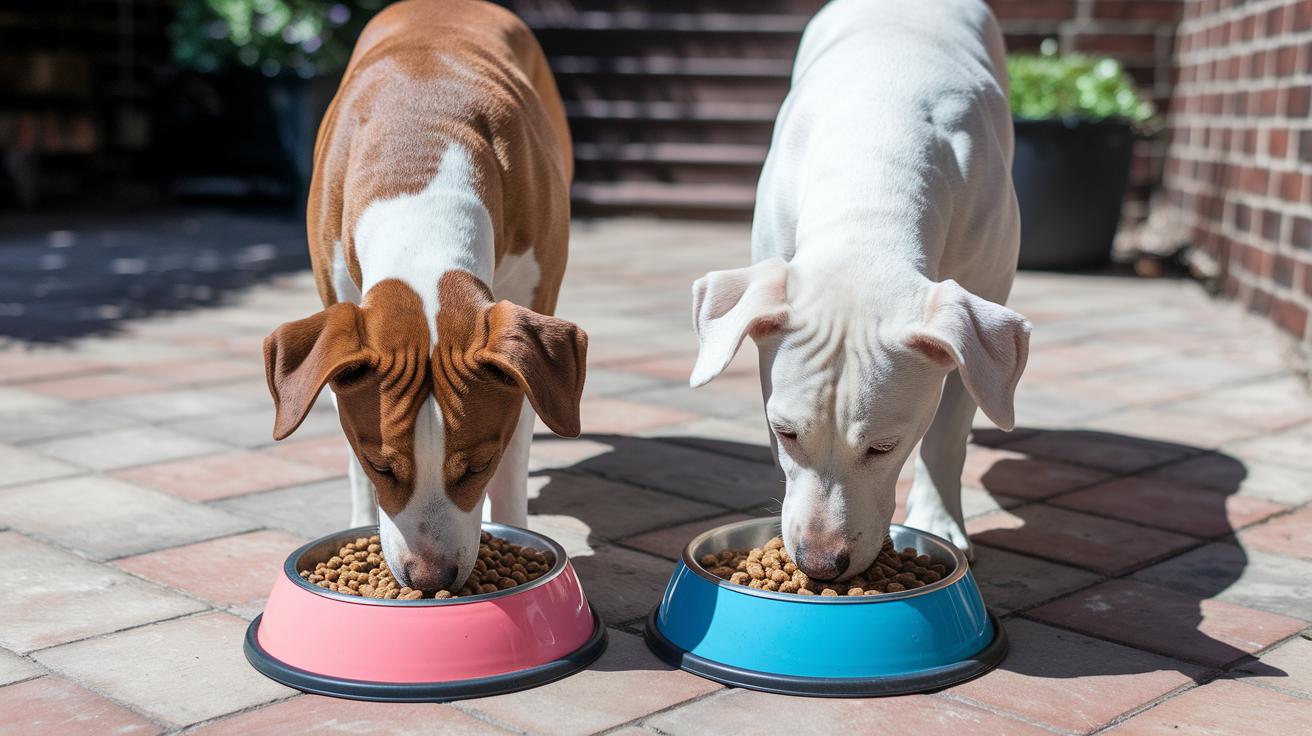
When you're thinking about switching your pup's food, it's best to take it one step at a time. A slow transition helps avoid any sudden tummy troubles or stress, keeping your furry pal happy and comfortable.
Start by gradually mixing a little bit of the hypoallergenic food with your dog's regular meal over about 7 to 10 days. This gentle approach not only eases digestive upset but also gives your pet time to get used to the new flavor and texture. Think of it as slowly introducing a new friend to your family, easy and friendly.
Often, your vet might recommend an elimination diet trial that can last up to three months. This process helps pinpoint any food triggers causing problems. It’s a great idea to keep a simple diary during this time. Just note down what your dog eats each day and any changes you see in their behavior, skin, or digestion. A little record like that is super helpful when you chat with your veterinarian about what's working or what might need tweaking.
It’s important to watch your dog's progress closely. Notice if they start feeling better or if any new symptoms pop up. Even small changes can mean big improvements in your pet's overall comfort. Have you ever seen how a little tweak can make your pet's day much brighter? Keep an eye on those details, and enjoy the journey to a happier, healthier pup.
Comparing Dry vs Wet Hypoallergenic Dog Food Formulas
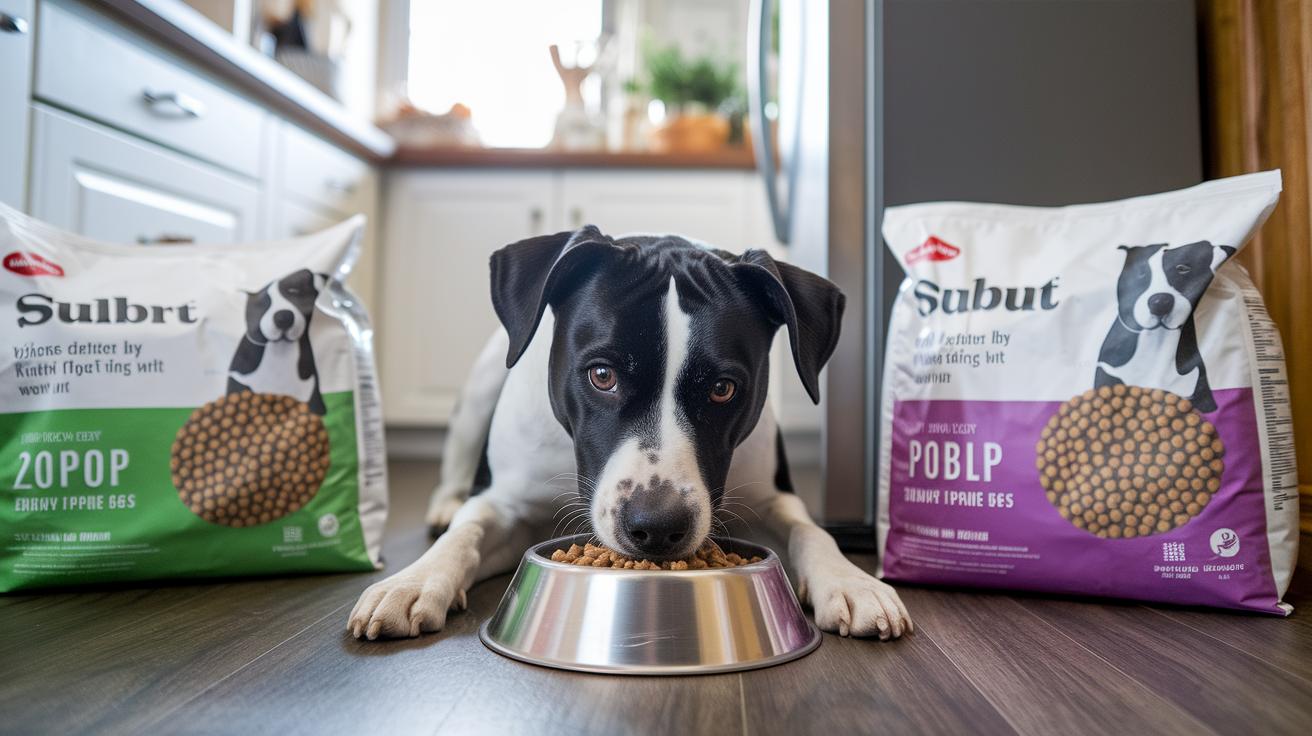
Choosing the right food for your allergic pup is like solving a fun, little puzzle. You want to balance ease and nutrition while keeping your furry friend happy. Both dry and wet options are made to be gentle on allergies, but they bring something unique to the table.
Dry kibble is a favorite for busy days. Its crunchy bits help clean your pet’s teeth, and it stays fresh longer in your pantry. But if your dog has a sensitive tummy, wet food might be the better bet. Its soft texture and extra moisture can make mealtime a soothing treat.
- Dry kibble is easy to store and very convenient.
- Its crunchy bits help in keeping your dog’s teeth healthy.
- Wet food adds extra hydration because of its higher moisture content.
- It is generally easier to digest, which can help soothe sensitive stomachs.
- Dry kibble might not excite picky eaters as much.
- It sometimes falls short on moisture, which may affect hydration.
- Wet food doesn’t last as long on the shelf, so careful storage is a must.
- It can be a bit messier, meaning mealtime might need a little extra cleanup.
Budget-Friendly Hypoallergenic Dog Food Options
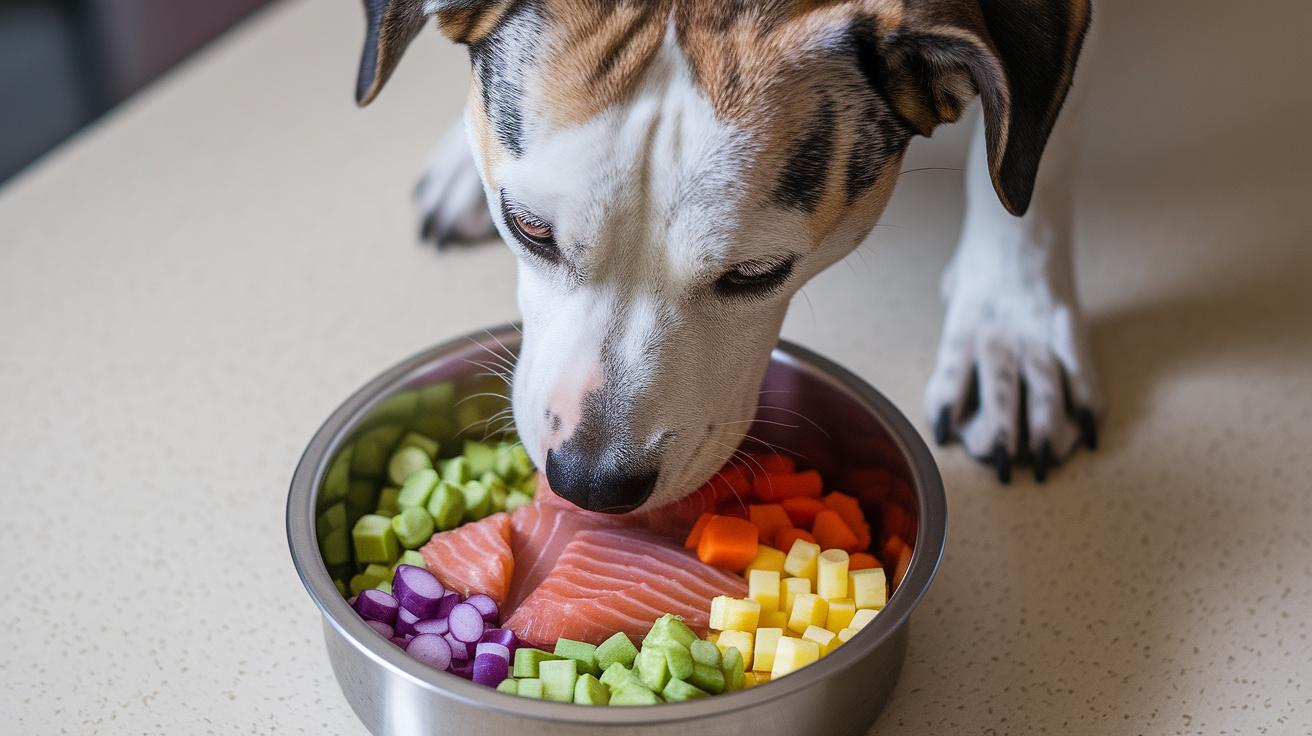
When your pup has allergies, finding the right food might feel a bit expensive, often around 20–40% more than regular options. But don't worry, there are plenty of wallet-friendly choices that keep your furry friend happy and healthy.
For pet parents on a budget, there are some neat tricks to save money. Try exploring brands that use unique proteins like fish or offer recipes with just a few simple ingredients. These options often skip all the fancy packaging, which helps keep costs down. Buying larger bags or signing up for a subscription can also drop the price per meal. And if you're in the mood to get creative, you might even make your own treats using single-ingredient freeze-dried proteins, affordable and fun!
- Purchase larger bags to lower the cost per meal.
- Use subscription services for regular discounts.
- Choose products with simple recipes and minimal packaging.
- Make DIY treats with single-ingredient freeze-dried proteins.
- Compare prices across trusted brands for the best value.
Homemade and Natural Hypoallergenic Meal Preparations

Making meals at home for your pup means you get to pick exactly what goes into every bowl. This way, you can be sure to use only gentle, safe ingredients. You might choose proteins like turkey or salmon along with hearty carbs like rice or sweet potatoes. These foods can help soothe a sensitive tummy and give your pet a shiny coat. Before you start, it’s a good idea to chat with a vet nutrition expert to make sure the meals have just the right balance of vitamins and minerals without any extra ingredients that might trigger allergies.
One simple recipe might mix freshly cooked turkey, a scoop of rice, and a little bit of sweet potato, all lightly drizzled with flaxseed or fish oil to support healthy skin. This blend provides a wholesome mix of protein and carbohydrates along with helpful supplements that work together to keep your pet happy and healthy while minimizing the risk of allergic reactions.
Breed and Life Stage Considerations for Hypoallergenic Diets

Puppies need a little extra care with their meals. They require food with more calories and DHA (a type of good fat that helps the brain grow) to build strong, growing bodies. Hypoallergenic puppy formulas use gentle ingredients while still packing in all the nutrients your tiny friend needs.
Small breeds do best with food made especially for them. They love smaller kibble pieces that are easy to chew since their mouths are tiny and their metabolism is fast. These diets include concentrated vitamins and minerals to keep them happy without upsetting their sensitive tummies.
Big breeds need a diet that carefully balances minerals like calcium and phosphorus to keep their joints and bones strong. With just the right mix, these hypoallergenic formulas help reduce inflammation and provide steady nutrition that supports a larger frame.
Older dogs often thrive on recipes with fewer calories and a boost of joint-support ingredients. As their metabolism slows down and joint issues can start to appear, these meals help keep them moving comfortably while managing their weight. Each recipe is made to gently care for an aging body while still including all the necessary nutrients.
Final Words
In the action, we explored top picks that combine hydrolyzed proteins, novel ingredients, and careful allergen avoidance to keep your pet comfortable. We looked at key nutritional strategies, transitions to vet-approved diets, and even compared dry and wet options. Budget-friendly ideas and homemade recipes rounded out the insights, while breed and life stage tips helped ensure every pet finds its perfect match.
Keep moving forward in your search for the best hypoallergenic dog food and enjoy many happy, healthy meals with your furry friend.
FAQ
Q: What is the best hypoallergenic dog food for dogs with allergies?
A: The best hypoallergenic dog food features ingredients like hydrolyzed proteins and limited allergens to ease reactions. Brands like Royal Canin and Hill’s Prescription Diet have been recognized for soothing skin and digestive issues.
Q: Which dry dog foods are ideal for skin allergies and yeast infections?
A: Dry dog foods that target skin allergies and yeast infections typically avoid common allergens and offer vet-approved, balanced nutrition, providing convenient feeding while reducing itching and inflammation.
Q: What hypoallergenic dog food options suit both small and large breeds?
A: Hypoallergenic formulas for small and large dogs are designed with size-specific kibble and nutrient profiles to match their unique needs, ensuring every pet gets a balanced, allergen-mitigated meal.
Q: Is hypoallergenic dog food worth it?
A: Hypoallergenic dog food is worth considering if your pet suffers from frequent allergies. Its targeted formulas can soothe irritations, improve digestion, and contribute to overall pet comfort.
Q: What should I feed a dog with itchy skin?
A: Feeding a dog with itchy skin involves choosing foods free from common allergens. These diets prioritize gentle proteins and balanced nutrients to help ease discomfort and support skin health.
Q: Can I prepare homemade meals for dogs with skin allergies?
A: Homemade meals for dogs with skin allergies offer full control over ingredients like single proteins and starches. Always consult with a vet to balance nutrients and support your pet’s overall health.