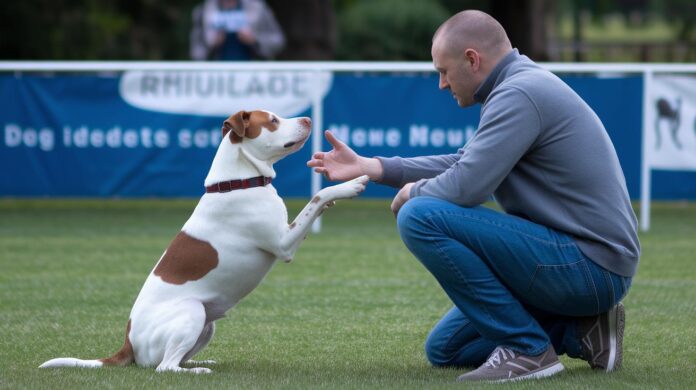

Have you ever noticed that teaching your dog a few simple tricks can really bring you closer? It might sound basic, but spending a little time each day practicing commands can turn hectic moments into peaceful, happy ones.
Imagine it like coaching a young athlete. Every small drill builds trust and good manners over time. Each session, filled with clear communication and a bit of patience, feels like a tiny celebration of your pet’s unique spirit.
In this guide we share easy tips for setting up a calm home routine that lights up both your day and your furry friend’s. Isn’t it wonderful when a wagging tail and a loving gaze show you just how much those moments matter?
Dog Obedience Training Fundamentals at Home
A cozy home routine can work wonders for teaching your dog good manners and making daily life smoother. When you practice simple commands in a familiar place, your pup feels safe and learns with patience, just like how young athletes master the basics before a big game. It’s all about creating a steady, reliable routine that both you and your furry friend can depend on.
Setting aside a calm spot at home is perfect for teaching commands like sit, stay, down, and come back. For instance, to teach "sit," hold a treat close to your dog’s nose and slowly lift it up. As your dog follows the treat, their bottom will gently touch the ground, showing that they know it’s time to sit. When it comes to "stay," have your pet sit and then take a few careful steps back while calmly saying "stay." To get them to lie down, lower a treat toward the floor between their paws until they naturally drop into a down position. And for the "come" command, call your dog in a happy, inviting tone and reward them when they return to you. These easy, step-by-step actions are like playful drills that help your dog focus, even when there are little distractions around.
You can add these commands into everyday moments to form lasting habits. Try asking your pup to sit before mealtime or when greeting a visitor. Use "stay" when you need to step away for just a moment, and practice "down" during those quiet times at home. A quick recall during a short walk is another fun way to mix training with your daily routine. By blending a little practice into everyday life, you create a joyful journey of progress and understanding with your pet.
Positive Reinforcement Strategies for Dog Obedience Training

Positive reinforcement makes training a delight for you and your furry friend. When you share treats and kind words, your dog quickly learns which actions earn rewards. It turns every lesson into a fun bonding moment that builds trust and keeps your buddy focused.
- treat timing
- clicker pairing
- variable rewards
- clear verbal cues
- consistent praise
Video guides are a great way to sharpen these techniques. Imagine joining a dog bone training library that offers loads of clear, how-to videos. These videos show you exactly when to offer a treat during commands like "come" or "stay." It’s like watching a friendly expert use a clicker along with a cheerful "Good job!" to create a smooth training rhythm. Seeing these sessions in action helps you get the timing right and boosts your confidence during practice.
You might even try local group lessons or dog training classes. There, you can watch other pet parents and professional trainers in real time, learning how well positive reinforcement works. It’s all about enjoying the journey together and adjusting your style as you go.
Common Behavior Correction Techniques in Dog Obedience Training
Lots of dogs can be a bit overexcited sometimes, pulling on the leash, jumping up when someone visits, or barking more than they should. This pulling usually happens when the dog gets caught up in interesting sights and sounds around them. Jumping often comes from a burst of happy energy when greeting someone, while too much barking might be a sign of boredom or nerves. Often, these behaviors start because our furry friends haven’t quite learned to stay focused on what we expect. Luckily, free no-strings consultations with certified trainers can help find out what sets your dog off and lead to better solutions. Many targeted exercise programs have helped reduce pulling on walks and calm down the jumping or barking during busy times.
To improve these habits, start with simple, step-by-step drills. For managing leash pulling, try training in a quiet spot first. When your dog tugs, gently lead them back and reward them when the leash goes slack. For recall, use a bright and friendly tone to call your dog, and be sure to give lots of praise or a treat the moment they return. If excessive barking continues, introduce a calm signal and gently shift their focus with a tasty reward. These practical tips help guide your pet towards better focus and more comfort during training, making those moments together even more enjoyable.
Advanced Corrective Techniques and Off-Leash Dog Obedience Training
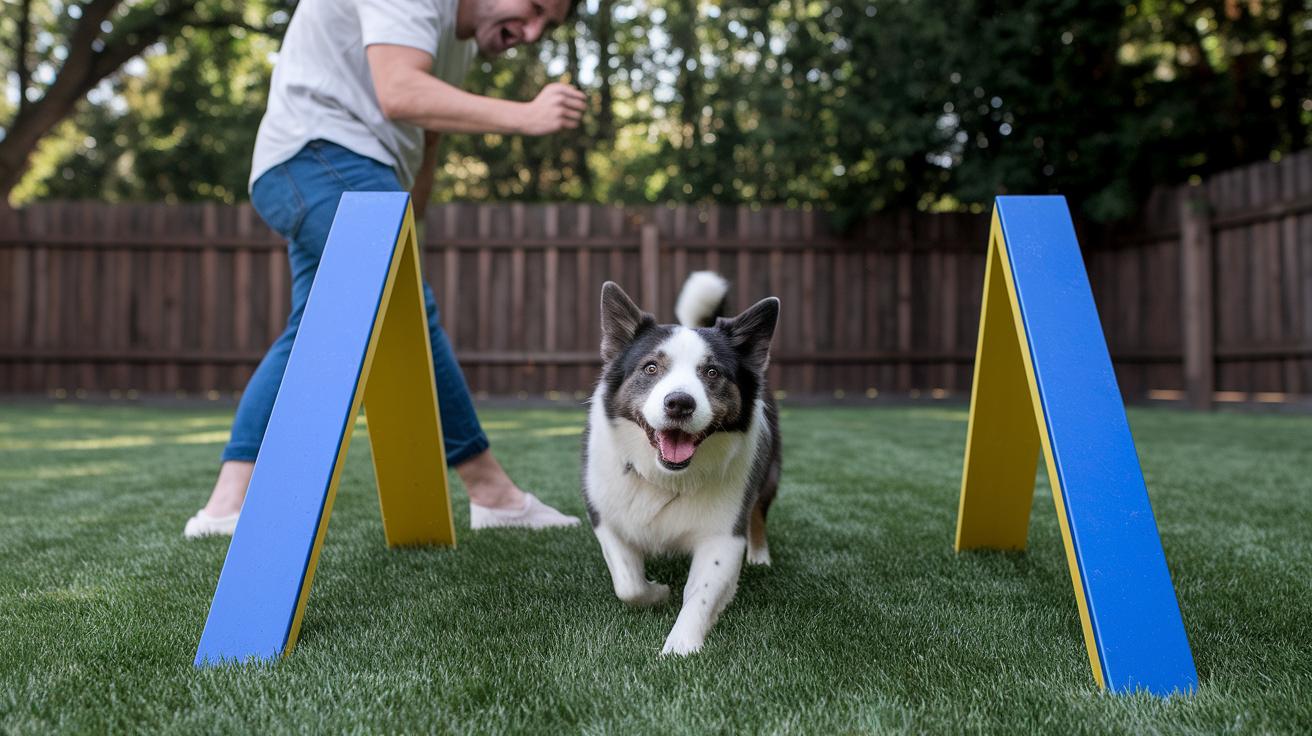
Off-Leash Control Drills
Working on off-leash control takes practice and patience. Start with a simple cue like "come" and then add "stay" as you slowly step away from your dog. Imagine your pup sitting while you take a few steps back, setting up a mini challenge, and then calling them back in a cheerful tone, even when there are distractions around. This fun exercise not only improves your dog's recall but also builds their confidence in following more than one command at a time.
Challenge Course Integration
Creating a little obstacle course can be a playful way to work on impulse control and obedience. Set up a few simple hurdles, like a low barrier or objects that your dog can zigzag around. Try asking for a quick "wait" before they move past each obstacle, kind of like a fun game. This drill keeps them alert and helps them learn to focus and make fast decisions.
Next, you can track how quickly and accurately your dog responds with short, timed drills. Regular check-ins let you adjust the exercises and celebrate steady progress along the way.
Professional vs. DIY Dog Obedience Training Programs
Exploring both professional and DIY dog training gives you lots of options to suit your goals, budget, and busy life. Some pet parents love the clear routine of Puppy Training, the lively vibe at a Day Camp, the dedicated focus in Board & Train sessions, or even a simple Graduate Refresher to smooth out any rough edges. Each choice comes with its own perks and a detailed plan that maps progress and sets up follow-up chances. Many trainers even offer a free first chat so you can tweak the plan to perfectly fit your lifestyle. Whether you're into one-on-one coaching or more wallet-friendly group classes, knowing your options helps you pick the right path to help your furry friend become a well-behaved buddy.
| Program Type | Format | Cost Range | Duration |
|---|---|---|---|
| Puppy Training | Local centers and in-person classes | $150 – $300 | 4-6 weeks |
| Day Camp | Urban pet school settings, group sessions | $200 – $400 | 1-2 weeks |
| Board & Train | Personal coaching sessions, immersive experience | $800 – $1500 | 2-4 weeks |
| Refresher | Follow-up sessions, in-person or virtual | $100 – $250 | 1-2 sessions |
When deciding between professional help and a DIY method, think about your dog’s personality and your own schedule. If you love the hands-on feel and regular check-ins of structured classes, professional programs might be the best fit. But if you prefer taking a steady, at-home approach with occasional tips from pros during free consultations, then DIY training can be just as effective. Ultimately, your choice should match your training goals, how much time you can spare, and the kind of support that makes learning fun for you and your furry companion.
Essential Equipment for Successful Dog Obedience Training

Training your dog at home is a lot like preparing a delicious meal, you need just the right ingredients to make it work. When you have good tools by your side, teaching clear commands and steady behavior becomes much easier. Tools like training gear, helpful videos, or even a library membership can save you money while giving you practical support. A clicker, for example, is super handy because it marks your dog’s good actions right on cue. Other tools work together to make every training session smooth and fun, even when life gets busy.
- clicker
- flat buckle collar
- 6-foot leash
- high-value treats
- target stick
- training mat
Whenever you can, choose eco-friendly materials. This way, you’re not only helping your pet learn but also taking care of the planet. Isn’t it great when every part of your routine feels just right?
dog obedience training: Happy Tails Begin Here
Tracking your dog's progress can feel like celebrating little victories every day. Try using a simple checklist to mark down those moments when your pup holds a "stay" or comes right away on a walk. It’s like keeping a fun digital diary of all the wins, you know exactly where your furry friend is shining. Plus, having these notes handy can help you see trends in your dog's behavior, giving you a boost when progress feels slow.
Regular check-ins are a great way to keep your training on track. Set a reminder on your calendar to review what’s working and what might need a bit more practice. Some training programs even include scheduled follow-ups to help guide you along the way. With a few thoughtful tweaks here and there, you’ll be well on your way to making lasting obedience a part of your pup's daily life.
Final Words
In the action, we covered the essentials of at-home basics, positive reinforcement, and even advanced behavior corrections, giving clear, everyday steps to shape your canine’s habits. We broke down DIY routines alongside professional choices to help you pick the best approach. We tied it all together with tips on gear and daily checklists, making it a friendly guide to lasting improvements. Every step in dog obedience training builds a stronger bond and happier pet. Enjoy each moment and keep moving forward!
FAQ
Where can I find local dog obedience training?
Local dog obedience training is available through nearby classes, drop-off training centers, and services offered in states like California and Texas. Check community pet stores and online directories for options that suit your neighborhood.
How can I train my dog at home or online by myself?
Home or online dog obedience training lets you guide your pet through simple commands at your pace. Many step-by-step video tutorials and self-training programs enable you to build strong, lasting behavior bonds.
What beginner dog training tips or basic obedience lesson plan should I follow?
Beginner tips include practicing basic commands like sit, stay, and down during short, focused sessions. Using a clear lesson plan with treats and praise helps reinforce learning and quick improvements.
What is the 3-3-3 rule for dog training?
The 3-3-3 rule means practicing a command in three different contexts, for three seconds at a time, repeated three times. This helps reinforce learning by varying situations and timing.
What is the 7-7-7 rule for dogs?
The 7-7-7 rule suggests practicing a command for seven seconds, in seven varied environments, repeated over seven sessions. This schedule can improve consistency and reliability in your dog’s responses.
What is the best age to start obedience training for my dog?
Early training around 8 to 12 weeks is ideal as puppies learn quickly and adapt easily. Starting young helps form good habits, making future obedience work smoother and more enjoyable for both.
What professional dog training programs are available?
Professional options range from PetSmart classes and puppy training camps to boarding school programs. These programs offer structured settings with expert guidance, accommodating various budgets and training needs.