

Ever thought about training your dog in a kinder, more precise way? With e-collar training (a method that uses gentle signals to guide your dog), you can teach basic commands like sit and stay while keeping it comfortable. These collars send just the right reminder without those harsh shocks from the old days. They come with smart settings and a snug design, giving you clear control over your pet's behavior.
Have you ever noticed how a loving nudge can make your dog perk up? Read on to discover how these gentle, smart methods can strengthen that special bond between you and your furry companion.
Core Principles of E-Collar Dog Training
The e-collar is a smart, friendly tool to help you communicate with your dog. It doesn't punish but gives gentle reminders instead. It's best used when your dog already knows core commands such as sit, stay, and heel. With that base, this training method can boost obedience and strengthen the bond between you and your furry friend.
This approach lets you adjust the stimulation with precision. With settings from 0 to 100, most training works best at a soft level between 3 and 8. The collar is designed so the prongs touch just right without pinching, keeping your dog comfortable for long periods. Some modern e-collars even offer neat extras like GPS tracking, mild vibrations, and tone signals, making them versatile for different training tasks.
Benefits:
- It gives you precise control with a wide range of stimulation.
- It helps support effective off-leash recall and improves behavior.
- It includes advanced features like GPS, gentle vibrations, and sound signals to tailor the training experience.
Safety Tips:
- Make sure your dog already understands basic commands.
- Check that the collar fits well, with the prongs touching the skin gently without causing discomfort.
- Always start at a low stimulation level and reset to the base level after each session.
Before you dive deeper into e-collar training, remember that this tool works best when used as part of a balanced training approach. A strong command foundation and careful adjustment are key to success. If you ever feel like you need extra guidance, consider joining a dog training class to learn more tips and techniques.
How Electronic Canine Collar Technology Works
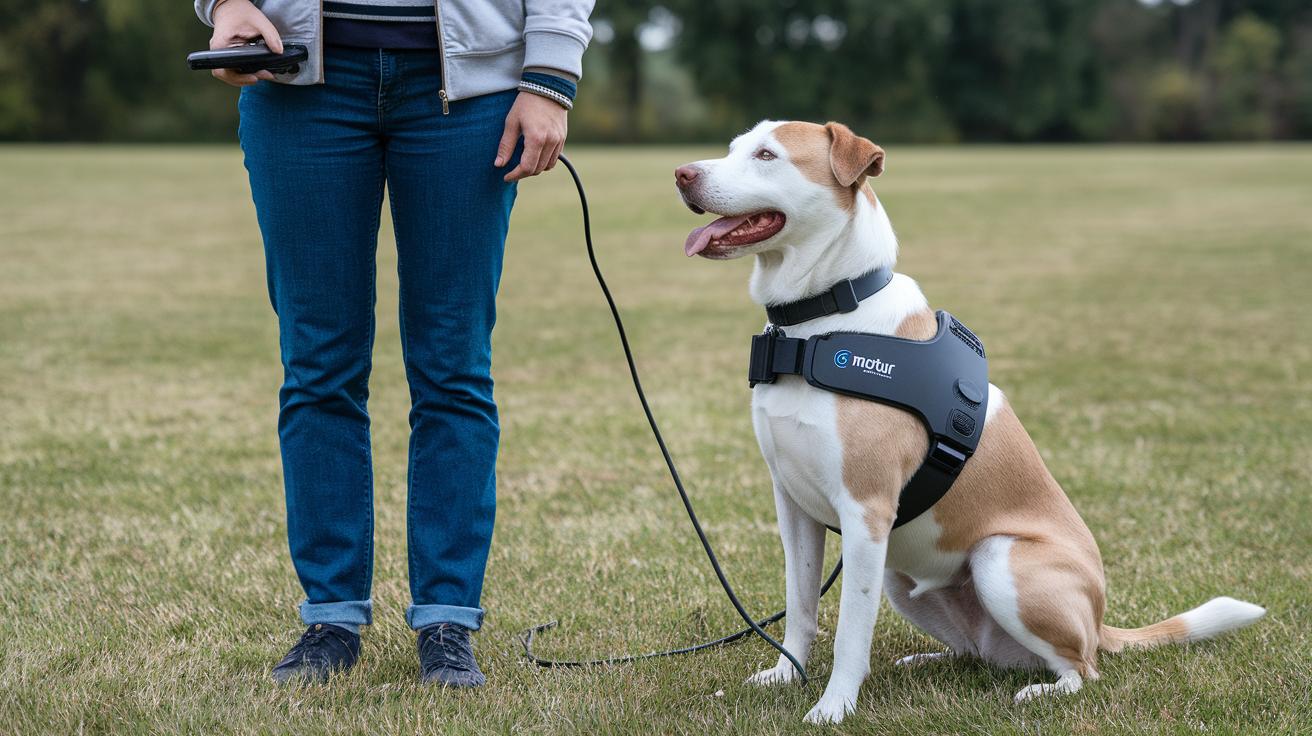
E-collars offer a kinder, more controlled training approach than older shock collars. They give you the power to adjust the stimulation across a wide range, usually around levels 4 to 5, for a gentle, clear message to your dog. These collars are built tough and waterproof, so you can use them in rainy weather or during long-range training sessions of up to ½ mile. The remote even features a helpful night-light with three settings: one push gives a soft pulse, two pushes create a steady glow, and three turns it off.
| Feature | Shock Collar | E-Collar |
|---|---|---|
| Stimulation Levels | 3 levels (simple, simple-er, simple-est) | 0–100+ for perfectly fine tuning |
| Design | Plain and basic | Waterproof and rugged for all-weather training |
| Remote Functions | Basic operation | Night-light modes: 1 push for pulse, 2 for steady, 3 to turn off |
This smart stimulation setup lets trainers adjust cues with ease while keeping safety in focus. With its sturdy design and finely tuned settings, the e-collar smoothly shifts between training levels, making it a reliable, adaptable choice for dog owners who care about effective and gentle training.
Setting Up and Calibrating Your E-Collar
Before you begin training your dog with the e-collar, take a moment to make sure everything is set up just right. It's all about keeping your pup comfortable and safe while you share clear, friendly cues during training.
- When you trim the collar strap, add an extra 3–4 inches for an adult dog or 6 inches for a growing pup. Point the tip so that threading becomes a breeze.
- Clip the remote to a belt loop using a lanyard. This simple step keeps it secure and stops it from bouncing around your dog's neck.
- Start off with a gentle stimulation setting between levels 3 and 8. This gives your dog a soft, clear signal without overwhelming them.
- Only increase the stimulation by 5–10 levels at a time, and only when it's really needed. Small changes go a long way.
- Always reset the collar back to its base stimulation level after each session to avoid any accidental high settings.
Taking a little extra time to set up and calibrate your e-collar makes a world of difference. It helps your dog get used to the collar and sets the stage for a calm, effective training experience. Every step, from trimming the strap to securing the remote, builds a safe space where you both enjoy every moment of training.
Step-by-Step E-Collar Training Techniques
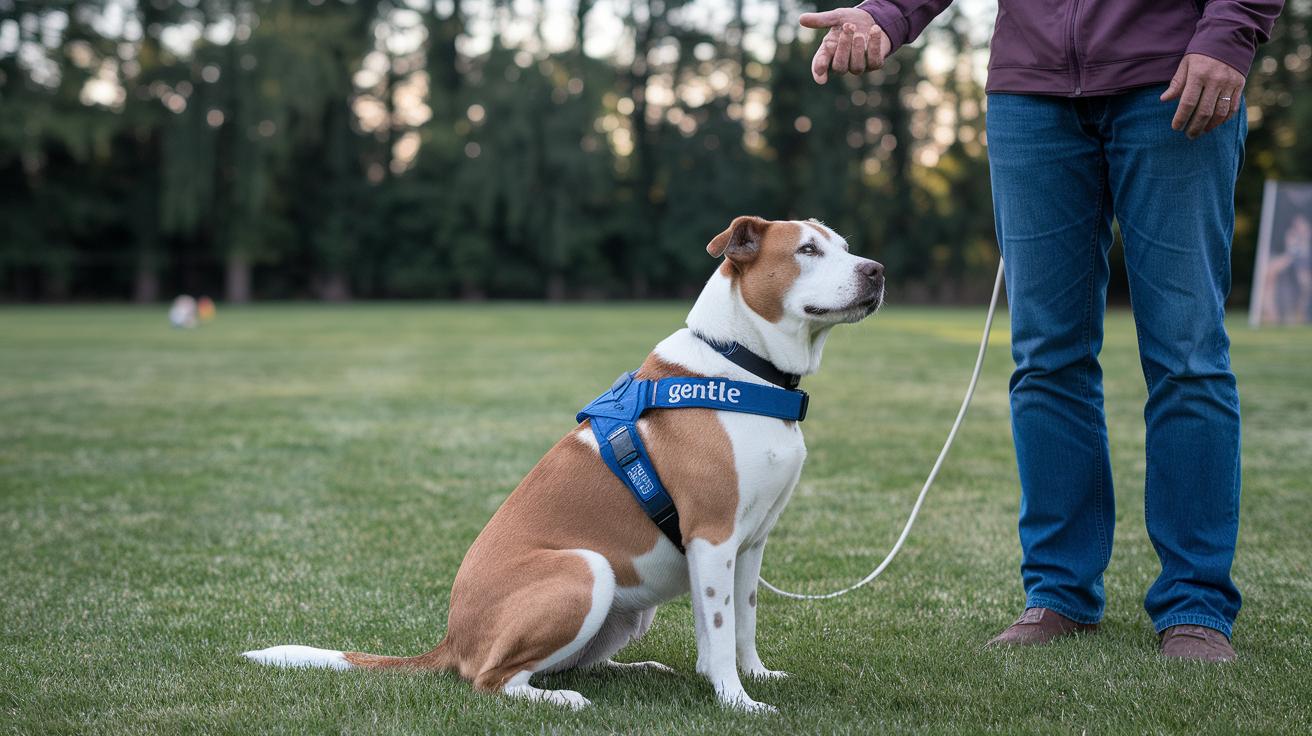
Before you begin, make sure your dog is comfortable with the basics like sit, stay, heel, and place. Once that's in place, you can add a little extra help with an e-collar. Think of it as a gentle nudge rather than a punishment. With consistent words and a few treats thrown in, you and your pup will build a fun, trust-filled way to communicate.
Building Command Foundation
Start off by mixing a soft e-collar cue with a familiar command like "sit" or "stay." This simple pair helps remind your dog what to do when there are distractions. Over time, your furry friend will start to connect that small cue with the right move. It’s all about keeping things clear and steady, so the cue only enhances what your dog already knows.
Off-Leash Recall
Teaching your dog to come when called, even off-leash, takes a gentle, step-by-step approach. Begin with a leash to establish control and then move to a longer line where your dog can enjoy a bit more freedom while you still keep an eye out. Once your pup proves they can reliably come back, try some off-leash sessions. Picture it like a walk in the park where your dog safely avoids oncoming traffic or stops to listen when something catches their eye. One trainer even used this method with a 4-year-old Siberian husky who made amazing progress!
Managing Reactivity
Sometimes, a dog might get overwhelmed or overly excited when on a leash. In those moments, a gentle e-collar cue can help bring their focus back to you. Use that mild reminder during high-energy times and follow up with plenty of praise and treats at home. With a mix of calm training sessions and, on occasion, a few leash corrections, your dog can slowly build better control and steady obedience.
Troubleshooting Common E-Collar Issues and Advanced Features
Sometimes your dog might react suddenly or seem to ignore your cues if the collar’s settings are too low or change without warning. This can even cause your pup to get used to the signal so much that it stops responding at all. Keep an eye out for signs like a worried look, less obedience, or even technical hiccups like a quick battery drain, interference in the signal, or the strap slipping. If any of these happens, try lowering or readjusting the settings right away. It’s best to start gently and always go back to the original setting after you’ve finished training.
Today’s e-collars are pretty smart. Beyond just using different levels of stimulation, many now include cool extras like GPS tracking and options for using only vibrations or sounds instead of electrical pulses. These vibration and tone options work like a gentle tap on the shoulder, giving you new ways to chat with your pet during training. And with long-range options, you can even keep training going when your pup is happily off leash, enjoying a bit of extra freedom.
Adding regular little practice sessions can really help in the long run. Checking in with your dog during these sessions makes advanced training techniques stick and helps you spot any collar issues before they become a big deal. One pet parent even noticed a big jump in their dog’s responsiveness after scheduling short, fun follow-up sessions at home. It just goes to show: a bit of extra attention and care can work wonders with e-collar training.
Ethics, Safety, and Alternatives in E-Collar Dog Training
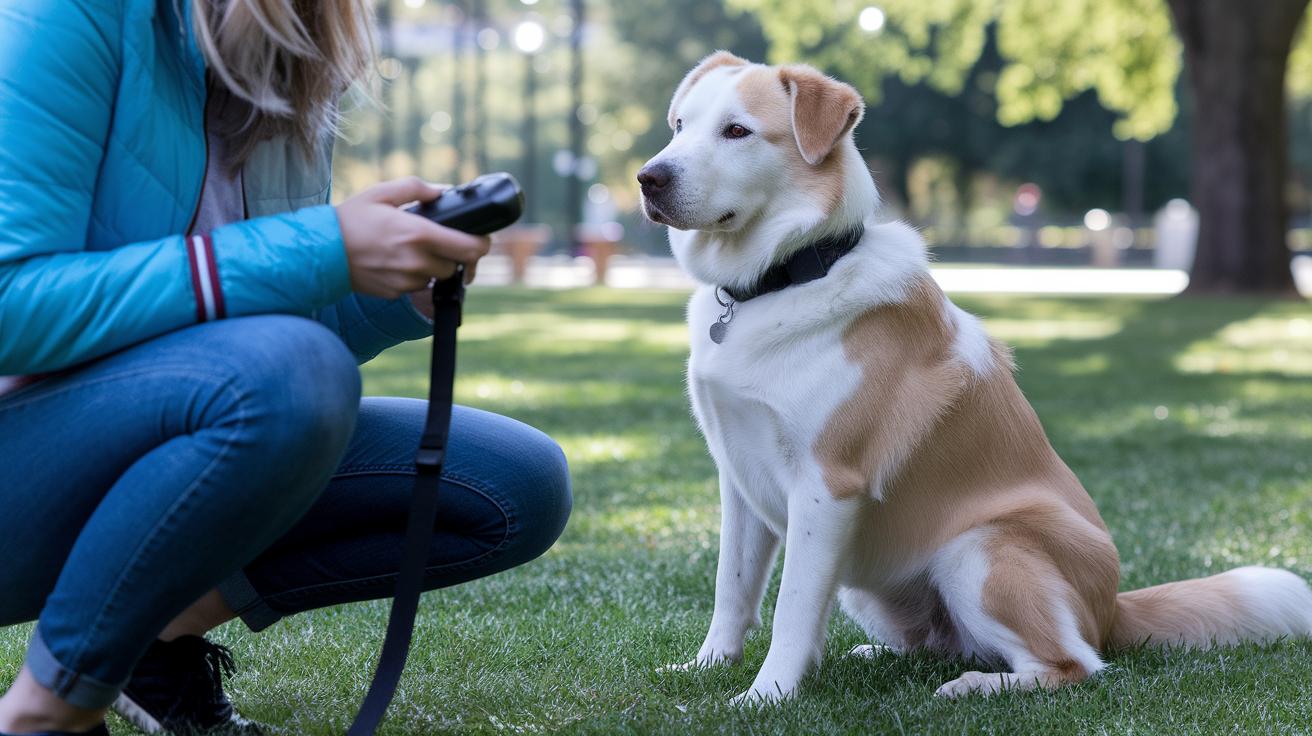
When you use an e collar, stick to the lightest setting that works. Think of the e collar as a way to talk to your dog rather than a tool for punishment. It should gently guide your pet toward better manners without causing fear or stress.
Always check your local rules first. Different areas have different laws about using digital collars, so it’s important to know what’s allowed near you. This way, you keep your training both safe and legal.
Many pet owners prefer shock-free options. Some try settings that use vibration or sound only, or mix gentle collar cues with lots of treats and praise. These methods not only build good behavior but also boost your pet’s confidence. Trainers often combine these gentle reminders with traditional techniques to create balanced and effective training sessions.
Remember, working with professionals can really help. Keep an eye on your training methods and adjust them as needed. Your pet’s comfort and well-being should always come first.
Final Words
In the action, we explored e collar dog training fundamentals by looking at setting up and calibrating your device, reinforcing basic commands, and managing safety rules with care. We walked through the practical steps for troubleshooting issues and balancing tech details with genuine love for our pets. Each section provided clear insights into ethical use and effective techniques that put your pet’s well-being first. Enjoy applying these methods as you nurture a closer, happier bond with your furry friend.
FAQ
Q: Ecollar dog training reviews
A: E-collar dog training reviews often highlight effective communication through adjustable stimulation levels. Users praise its gentle, clear cues that help reinforce correct behavior without causing harm.
Q: Ecollar dog training reddit
A: E-collar dog training discussions on Reddit share real-life experiences and advice. Members exchange practical tips and feedback that help new users learn best practices with these tools.
Q: Ecollar dog training near me
A: E-collar dog training near me searches connect pet owners with local trainers and classes skilled in this technique. These professionals offer personalized guidance for safe and effective dog training.
Q: E Collar Technologies
A: E Collar Technologies provide advanced training tools featuring adjustable stimulation, GPS tracking, and multiple feedback modes. Their products are designed to offer versatile, humane communication for pet training.
Q: Dogtra e collar
A: Dogtra e collar is known for its precision and durability during training. Its rugged design and fine-tuned stimulation settings make it a popular choice for pet owners needing reliable performance.
Q: Best training collar for stubborn dogs
A: The best training collar for stubborn dogs offers customizable stimulation levels for clear communication. It helps achieve consistent behavior cues even in headstrong pets through steady, controlled adjustments.
Q: Educator e collar
A: Educator e collar provides user-friendly controls and measured stimulation for reinforcing commands. Pet owners appreciate its straightforward design, which supports a balanced and humane training approach.
Q: E collar after surgery
A: E collar after surgery should be used with caution. It’s advised to avoid stimulation on healing areas, and many professionals recommend waiting until full recovery before resuming any e-collar training.
Q: Is it good to train a dog with an e-collar?
A: Training a dog with an e-collar provides clear, adjustable feedback when used correctly. It works best after basic command training and under expert guidance to keep the experience safe and effective.
Q: What’s the difference between an e-collar and a shock collar?
A: The difference between an e-collar and a shock collar is in their technology; an e-collar offers fine-tuned, multiple feedback options, while shock collars generally deliver a fixed, harsher stimulation.
Q: Do vets recommend E-Collars?
A: Many vets recommend e-collars as part of a balanced training plan when using the lowest effective stimulation. Professional guidance ensures these devices are applied safely and humanely.
Q: What are the cons of e-collar training?
A: The cons of e-collar training include the risk of misuse if settings are too high and potential discomfort for the dog. Proper calibration and professional advice are essential to avoid these issues.