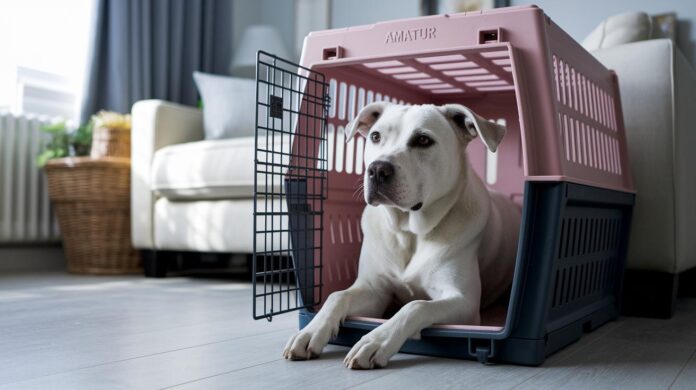

Have you ever wondered if crate training an older dog could be as simple as taking a quick nap? Many pet parents have discovered that with a gentle approach, even an older dog can learn to love its crate. Instead of feeling like a locked-up space, the crate can become a snug little hideaway. In this guide, we share easy tips such as using tasty treats, soothing cues, and slowly increasing crate time to help your furry friend feel safe and relaxed. It’s all about building a peaceful haven that feels just like home.
Step-by-Step Guide to Crate Training Your Adult Dog
Adult dogs are not the same as puppies when it comes to learning to use a crate. Older dogs might have had tough experiences before, so they need a gentle, patient approach. The goal is to help them see the crate as a cozy, safe place instead of a locked-up space. Taking it slow with lots of praise works best.
-
Choose and position the crate
Think of this as putting together a little haven for your dog. Pick a crate that gives enough room to stand, turn around, and lie down comfortably. It should feel like a spacious spot where your dog can relax without feeling squeezed. -
Create positive associations with treats and toys
Place a favorite toy or some yummy treats inside or near the crate. Imagine saying, "Good job!" after offering a treat when your dog shows interest. This turns the crate into a place linked with fun and rewards. -
Feed meals in the crate
Begin by putting your dog's meals in the crate with the door open. This transforms the crate into a cheerful dining area where your pet gets to enjoy a meal, making it feel even more inviting. -
Introduce a friendly cue and praise
Every time you encourage your dog to enter, use the same kind words like "crate" or "crate time!" Then offer a warm cheer or a gentle pat. This helps your dog connect the command with positive feelings. -
Close the door briefly and slowly extend the time
Start with just a few seconds, say, 5 to 10 seconds, before letting your dog out. As your pet gets more comfortable, gradually let the crate time last a bit longer. -
Make the crate a part of everyday life
Include short crate sessions during daily naps or quiet times. This way, the crate feels like a natural part of your dog's routine.
Choosing the Right Crate and Preparing the Space

When you're setting up a crate for your adult dog, think of it as creating a little safe haven where training can really take off. Start by picking a crate that's about twice your dog's length, so there's plenty of room to stretch, twist, and relax. Wire crates let your furry pal keep an eye on their surroundings and often include a removable tray for quick cleanups. On the other hand, plastic crates offer a snug, private spot if your dog prefers a quieter retreat. It all depends on your dog’s personality and what feels right for your home. For more ideas, check out our dog crate training tips. Keep an eye on practical details like sturdy latches and surfaces that are simple to clean.
Next, place the crate in a calm, well-ventilated area where your dog can feel safe and undisturbed. Adding a soft, washable blanket or even an orthopedic mat can make a big difference, especially if your pup has some joint aches. And at first, leave the door open so your dog can come in and explore at their own pace.
Introducing Your Adult Dog to the Crate with Positive Reinforcement
Positive reinforcement makes the crate feel like a safe, happy space for your dog. Instead of stress, the crate becomes a spot for treats, kind words, and fun surprises. It’s like a little adventure every time your furry friend steps in.
Try placing a favorite treat or toy right at the entrance. Use a cheerful cue such as “go crate” , for example, say, “go crate, here’s a tasty treat!” and let your dog explore at their own pace. Once your pet feels comfortable and takes a few steps inside, you can move the treat a little further in.
At mealtime, you can serve some kibble or wet food with the door open to link eating with a positive experience. Keep the encouragement coming with gentle words or quick praise whenever your dog shows interest. This patient, step-by-step method helps create a warm, stress-free bond with the crate.
Building Comfort and Extending Crate Time Safely
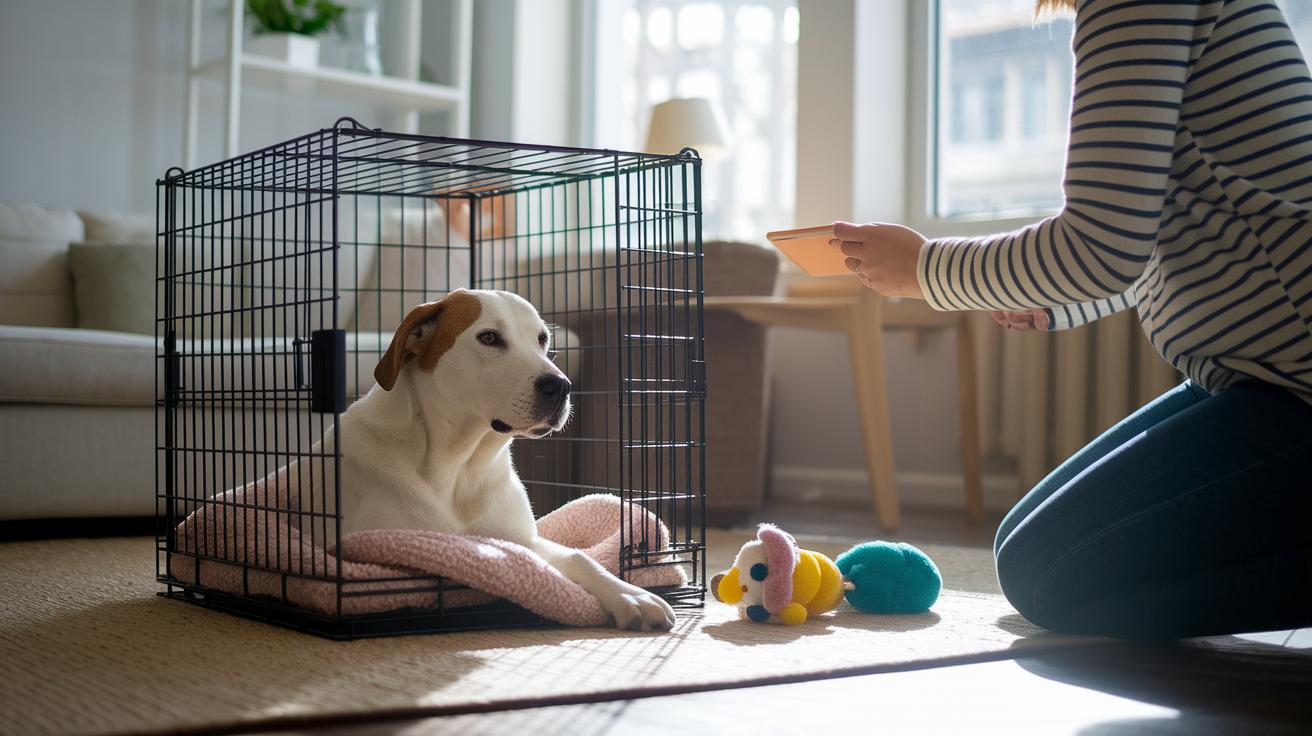
Start with short sessions of about 5 to 10 minutes while you stay close by. This way, your dog knows they’re in a safe and cozy spot, almost like you’re saying, “This is your little hideaway,” right by their side.
Once your furry friend begins to settle in, slowly lengthen those crate sessions. Gradually move from quick visits to stretches of around 30 minutes, and eventually, let it extend to about an hour. Use the crate during light naps so it feels like a natural part of their day. You can even create a gentle goodbye ritual, maybe a soft “See you soon,” before you step away. Keeping your departures calm and simple helps show them there’s nothing to stress about. And remember, regular breaks for a little exercise or potty time make the whole routine balanced and fun.
If you notice signs of anxiety, like pacing or soft whimpers, cut back on the crate time and reward your pup with extra praise and treats. Mixing in gentle play and relaxing breaks ensures your pet stays comfy and happy overall.
Addressing Common Challenges During Adult Dog Crate Training
Whining and Barking
When your dog starts whining or barking, it might mean the crate time is too long or the pace is too fast. Try cutting back the time to a few shorter sessions. Adding a little fun, like a stuffed Kong or a favorite chew toy, can give your pup something happy to focus on. It’s a simple trick that helps lower stress and makes the crate feel more like a cozy little retreat.
Reluctance to Enter
If your dog seems unsure about stepping into the crate, try using treats to create a warm welcome. Place some treats or a bit of their regular meal near the door, and gradually move them further inside. Leaving the door partly open in the beginning gives your pet the freedom to decide when to fully step in. Over time, your dog will start linking the crate with good things like tasty rewards and kind praise, making it feel like a safe space.
Separation Anxiety
Sometimes, dogs with tough past experiences might feel anxious when they’re alone in the crate. For these sensitive companions, using calming aids like a pheromone spray, white noise, or even tucking in a piece of worn clothing can really help. A bit of light play or a short walk before crate time can also ease those jitters. And if your dog still seems really upset, it might be a good idea to get some help from a professional trainer who can offer extra tips.
Optimizing Nighttime Crate Training for Adult Dogs

Start your bedtime routine by making the crate feel like a warm, inviting den. Lay down a soft orthopedic mat or plush bedding so your dog can snuggle in comfortably, easing any joint aches. Give them a final potty break and enjoy 10–15 minutes of gentle play or quiet cuddles together to help send off the day’s excitement. It’s much like settling in with your favorite story before sleep.
Then, choose a cozy spot for the crate. Keeping it close to your bed can offer that extra bit of reassurance for an anxious pup. Consider turning on a white noise machine or a pheromone diffuser (these release calming scents that help soothe your pet) to mask any disruptive sounds. And, check the room’s temperature so your furry friend isn’t too hot or too cold. Every little detail, from the location to the ambiance, helps transform the crate into a safe haven where your dog can drift into a peaceful, secure sleep.
Final Words
In the action, we covered a solid guide to crate training adult dogs, selecting the right crate, using treats and praise to build positive vibes, and easing into routines that work for busy pet families. We touched on setting up a cozy space, handling challenges gently, and creating a calm nighttime routine that reassures your furry friend.
Each clear step shows that learning how to crate train an adult dog can bring comfort and confidence to your pet’s daily life.
FAQ
How to crate train an adult dog for the first time?
Crate training an adult dog for the first time involves selecting the right crate size, introducing it gradually with treats and praise, and building a consistent routine that reinforces a secure, calm space.
How to crate train an older dog with separation anxiety?
Crate training an older dog with separation anxiety starts with very short, positive sessions using favorite treats and toys, paired with calming aids like pheromone sprays to ease stress and boost confidence.
How to crate train an adult dog at night?
Crate training an adult dog at night includes using a soft bed and a final potty break, with the crate placed near your bed for reassurance. A relaxed pre-sleep routine helps reduce nighttime stress.
What is the 2 1 rule for crate training?
The 2 1 rule in crate training means beginning with two minutes in the crate followed by a one-minute break, then gradually increasing the time as your dog grows comfortable with the enclosure.
Should adult dogs be crated?
Crating adult dogs can be beneficial when done gently. It provides a secure space for housebreaking, reduces anxiety, and offers a familiar den that makes your pet feel safe and relaxed.
Can you crate train a full-grown dog?
Full-grown dogs can learn crate training successfully. By using patient, gradual introductions with lots of positive reinforcement, even mature pets can adapt to and enjoy their own safe space.
How to crate train a 1 year old dog?
Crate training a 1-year-old dog follows similar steps as for any adult. Use tasty treats and praise along with a consistent routine, gradually increasing crate time to build comfort and support housebreaking.
How to crate train an older dog for potty training?
Crate training an older dog for potty training uses a secure space to help control bathroom routines. Feed meals inside the crate and reward calm behavior, which encourages proper potty habits over time.