

Have you ever noticed your dog getting a bit anxious just as you're about to leave? It can feel like saying goodbye to a little child, leaving a worried look on your furry friend’s face. Try this: a short play session before you head out, followed by a gentle, warm farewell that soothes their little heart.
These simple routines can help your dog feel safe and confident, even when the house is quiet without you. Have you seen that moment when a loving goodbye makes everything seem a bit better? It’s like a reassuring pat on the head, letting them know you'll be back soon.
Fast-Acting Relief for Dog Separation Anxiety
Sometimes our furry pals get really scared when they're left by themselves. It’s a bit like a little kid feeling lost without their parent. When your dog sees you getting ready to go, they might start to worry, and that worry can soon turn into full-blown anxiety.
That anxious energy can make them act a bit rowdy or just restless. But there are some easy, quick ways to help calm their nerves right at home. Little changes in your routine can really help reassure your dog when you're not around.
Try these simple steps:
- A short burst of exercise right before you leave
- A few practice sessions where you’re gone for just 5 to 10 minutes
- Keeping your goodbyes and welcomes low-key and calm
- Giving them a safe chew toy or a puzzle to keep busy
- A quiet, relaxing cool-down time when you come back
Starting with a brisk walk or a light play session can help your dog burn off a bit of that pent-up energy. Then, with gradual practice separations, they’ll learn to feel okay even when you’re not there. Keeping your departures and greetings calm helps prevent a spike in their anxiety, and a fun distraction like a chew toy or puzzle keeps their mind off you leaving. When you return, a quiet cool-down routine lets your dog know that everything’s back to normal. With these steps, applied over time, you can help ease their stress fast and boost their confidence in handling a little time apart.
Identifying Separation Anxiety Signs in Dogs
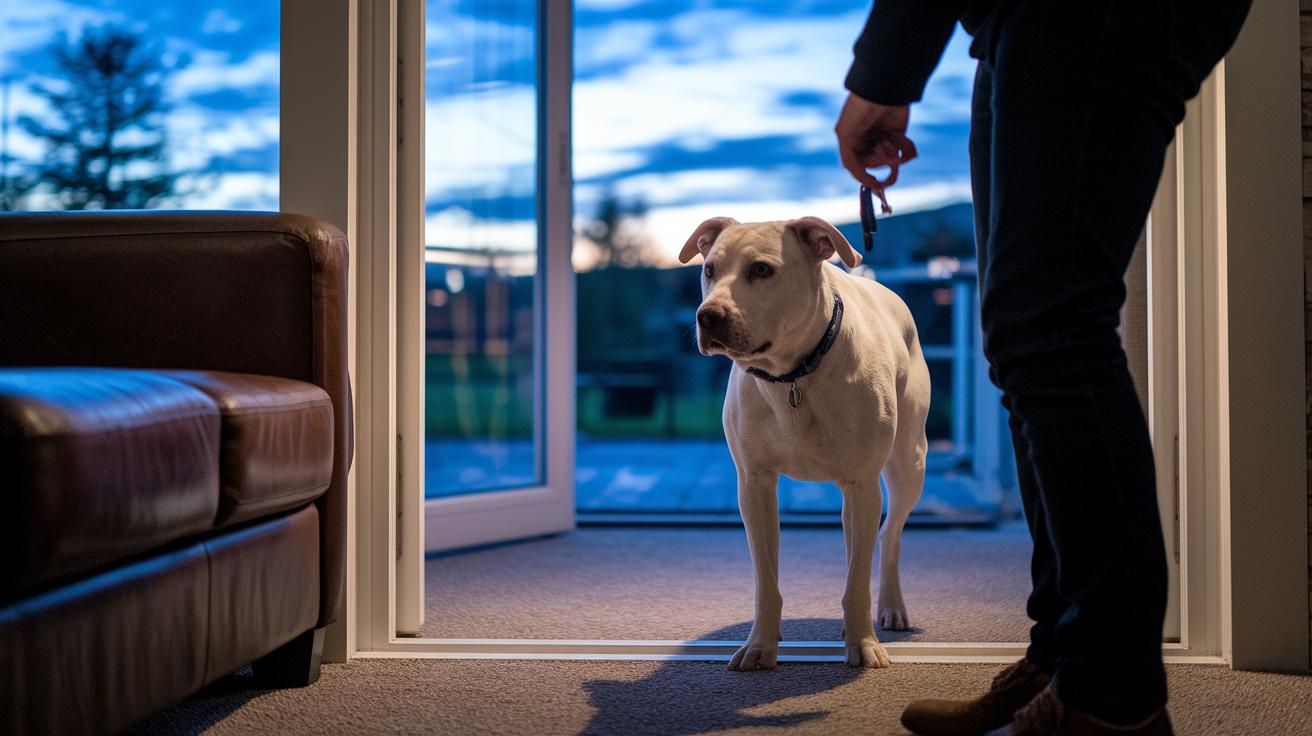
When you start getting ready to head out, your dog might show clear signs of worry. They can pace around, bark or whine, drool more than usual, or even have an indoor accident. Little acts like putting on your shoes or grabbing your keys might trigger these reactions.
Some pups might be a bit quieter too, skipping meals or turning their nose up at playtime. They might ignore their favorite treats or toys when they see you're about to leave. This small change in behavior is a gentle hint that they feel uneasy without you.
In more serious cases, your dog might even become destructive. You could notice them chewing on their crate, door frames, or even breaking a window. These stronger actions tell you that their anxiety is deep, and it might be time to consider some professional advice to help them feel secure when you're not home.
Step-by-Step Desensitization for Dog Separation Anxiety
Desensitization is all about easing your dog’s worries when you get ready to leave. By repeating little goodbye signals like grabbing your keys or opening the door without actually walking out, your pup learns that these actions aren't always a signal to be upset.
-
Perform cues without exit
Start by doing your usual leaving rituals, whether it’s picking up your keys or putting on your jacket, without heading out. This helps your dog notice that these actions are just parts of the routine and nothing scary follows. With several sessions, your furry friend will begin to see these signals as normal and calming. -
Introduce short alone periods
Once your dog seems at ease with these cues, try leaving them for just 5 to 10 minutes. This short break is a gentle test of their growing confidence and is brief enough to avoid any extra stress. You might even set up a comfy spot like a crate to make it feel extra secure. -
Extend absence durations gradually
Over time, slowly increase the time you're away by another 5 to 10 minutes until your dog can settle down on their own for about 30 to 45 minutes. This gradual step-by-step method shows your pet that being alone is safe and nothing to worry about.
Keep practicing these steps over several weeks, and you'll notice your dog growing more comfortable and secure. It's all about taking one small step at a time, building confidence, and helping your furry friend feel loved even when you're not right by their side.
Enrichment Toys & Activities for Dogs with Separation Anxiety
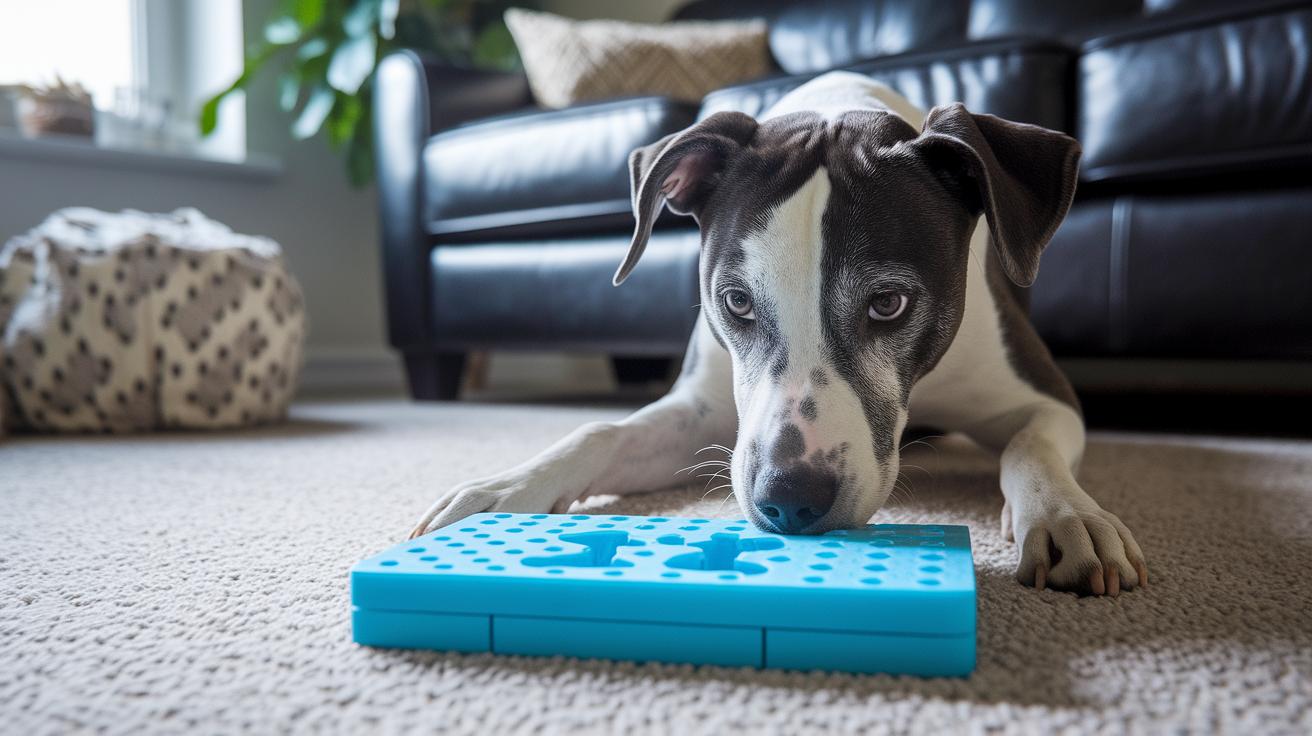
Keeping your dog's mind busy can really help lower their stress. When they're focused on fun challenges, they’re less likely to worry about you being away. Simple brain games work just as well as a brisk walk, giving them a little mental workout that helps ease separation anxiety.
One fun idea is to use enrichment items like a frozen KONG filled with safe treats such as pumpkin puree, peanut butter, or sweet potatoes. Rotating in a new puzzle or treat ball every few days adds a splash of variety that can keep your pet excited. For instance, swapping out an old toy for a set of interactive dog toys (https://goodkaws.com?p=97) can spark curiosity. This mix of textures, smells, and playful challenges not only keeps them distracted when you're not home but also adds a delightful twist to their day.
It’s smart to keep an eye on your dog's interest and safety with these activities. Check the toys now and then to ensure they’re still in one piece and safe for chewing, and adjust the toy rotation based on how enthusiastic your furry friend is or if you notice any signs of stress.
Building a Consistent Routine to Reduce Dog Separation Anxiety
Sticking to the same time when you leave and return helps your dog see that goodbyes are just short pauses. Keeping your greetings calm and using a quiet nod or gentle cue tells your pet that these moments are simply part of the day. When you always leave at the same time, your dog begins to expect a smooth, peaceful routine.
A steady schedule filled with regular meals, walks, and playtime fills your dog's day with familiar, comforting moments. Not only can a brisk walk before you leave help ease any built-up tension, but it also boosts your pup's confidence in the long run. Just imagine how reassuring it feels when your dog knows that favorite meal time is coming around at the same moment every day.
Professional Options for Severe Canine Separation Anxiety
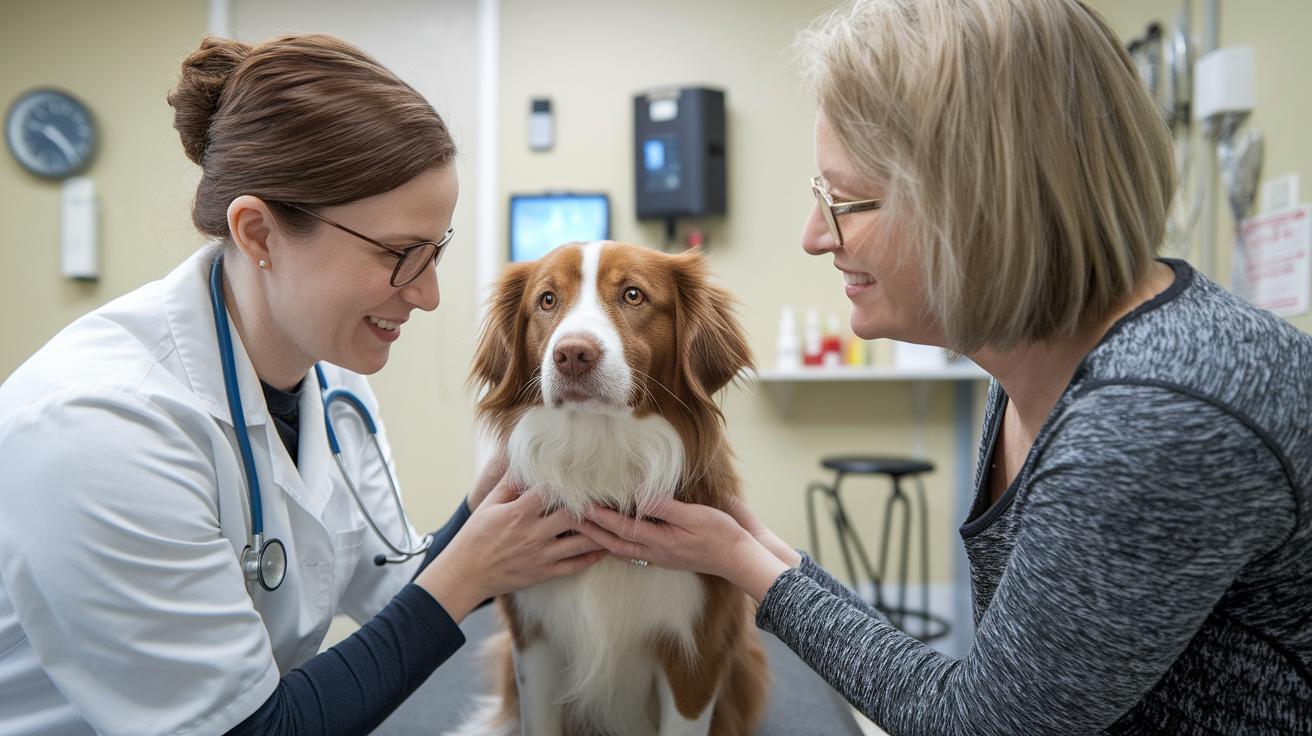
When your furry friend struggles with overwhelming separation anxiety, the first step is to chat with your vet. Your veterinarian, along with a veterinary behaviorist, can evaluate your pet's unique needs. They might discuss options like anti-anxiety medications such as SSRIs (medications that help balance brain chemicals) or benzodiazepines (calming drugs, given under careful supervision). It all starts with figuring out whether your dog's worry is the usual jitters or something that needs a detailed, step-by-step behavior plan. Often, your vet will suggest a trial period with these medications while keeping a close watch on your dog's progress.
Sometimes, managing your dog's distress isn't just about medicine. Certified trainers can offer behavior programs tailored just for severe separation anxiety. They design gentle, gradual routines that expose your pet to the situations that trigger those anxious feelings. Imagine it like slowly teaching your pup to relax on their own, with fun exercises and lots of encouragement. Their approach usually blends careful medication plans with training sessions that help reduce fear over time, creating a nurturing space where your dog feels safer even when you're not around.
For rescue dogs or pups that have been through a lot, a little extra TLC can go a long way. These special companions might need an even more thoughtful, step-by-step plan to rebuild their trust. With a patient, customized rehab program focused on their past experiences, they can start to feel secure again. With dedicated support and plenty of love, they gradually learn to embrace a calmer and happier life at home.
Final Words
In the action, this article shared practical steps to bring fast relief and boost comfort for our furry friends. We outlined quick fixes like short pre-departure exercise and gradual separations to ease stress. It also highlighted key tips to identify early signs of anxiety and provided desensitization techniques paired with engaging enrichment ideas. These simple steps truly show how to help a dog with separation anxiety, creating a positive environment where your pet feels loved and secure. Keep trying these practical tips and enjoy more peaceful moments with your buddy.
FAQ
How can I quickly help my dog overcome separation anxiety?
The quick relief for separation anxiety begins with brief separations, low-key departures, and gentle pre-departure exercises. These steps help your dog feel secure and build confidence during times of absence.
What home remedies can ease separation anxiety in dogs?
The use of home remedies involves offering safe chews, interactive puzzles, and short walks before departures. This approach distracts your dog and creates a calm atmosphere that reduces anxious behavior.
How can I help a dog with separation anxiety at night?
The nighttime solution includes establishing a calm sleep routine, creating a safe space, and keeping farewells relaxed. This helps your dog settle down comfortably for the night.
How do I manage separation anxiety when one person leaves?
The management strategy for individual departures is about ensuring each member uses a consistent, low-key exit approach. This uniformity keeps your dog reassured and minimizes distress when someone leaves.
What signs indicate dog separation anxiety, and what are severe symptoms?
The signs of separation anxiety include pacing, vocalizing, and refusal to eat, while severe cases might show destructive chewing or crate damage. Recognizing these cues early is essential for effective relief.
What should I avoid doing while handling dog separation anxiety?
The key is avoiding dramatic departures or excessive attention when leaving and returning. Overreacting may heighten anxiety, so keep your goodbyes low key and consistent.
How do you break separation anxiety with your dog?
The proven method involves practicing departure cues without leaving, followed by short absences that gradually increase over time. Regular, consistent practice helps break the link between departures and anxiety.