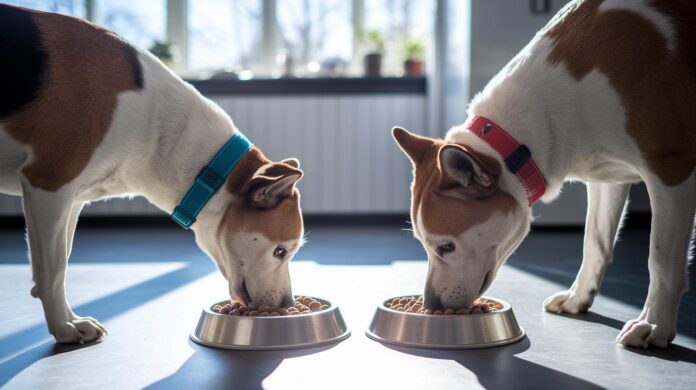

Ever noticed how your pup sometimes turns up its nose at a meal because it just doesn’t feel right? When a dog is dealing with kidney troubles, every bite really matters.
A special kidney-friendly diet is made to help your dog feel its best. This food is packed with extra water, just the right amount of protein, and low phosphorus (a mineral that can be hard on the kidneys in high amounts) to support their sensitive system.
Imagine your furry friend enjoying a meal that's both gentle on the tummy and delicious. It’s a small change that can lead to a happier, healthier pup.
Kidney Dog Food Fundamentals for Renal Support
Dogs with kidney disease need meals that are different from everyday food. They do better with dishes made especially to be gentle on their kidneys while still tasting great. Picture a pup that once turned its nose up at dinner now eagerly wagging its tail at a meal crafted just for them.
High water content is key. Just like a cool drink can refresh you on a hot day, a water-rich meal helps flush out waste and supports kidney function. Imagine your dog happily lapping up water after a playful romp, this kind of hydration can really make a difference.
Protein levels must be managed carefully. Although protein is needed to repair tissues and keep muscles strong, too much can create extra waste that stresses the kidneys. Think of it like adding just the right seasoning to your favorite dish, enough to enhance flavor without overpowering everything.
Low phosphorus is also important because dogs with kidney issues struggle to get rid of it. Cutting back on phosphorus can help slow the progression of the disease and keep your furry friend feeling better for longer. Every bite made with less phosphorus is a step toward better kidney care.
In short, making food tasty, packing it with moisture, balancing protein just right, and reducing phosphorus are the cornerstones of kidney-friendly meals that support your dog's health and happiness.
Key Nutritional Components in Kidney Dog Food
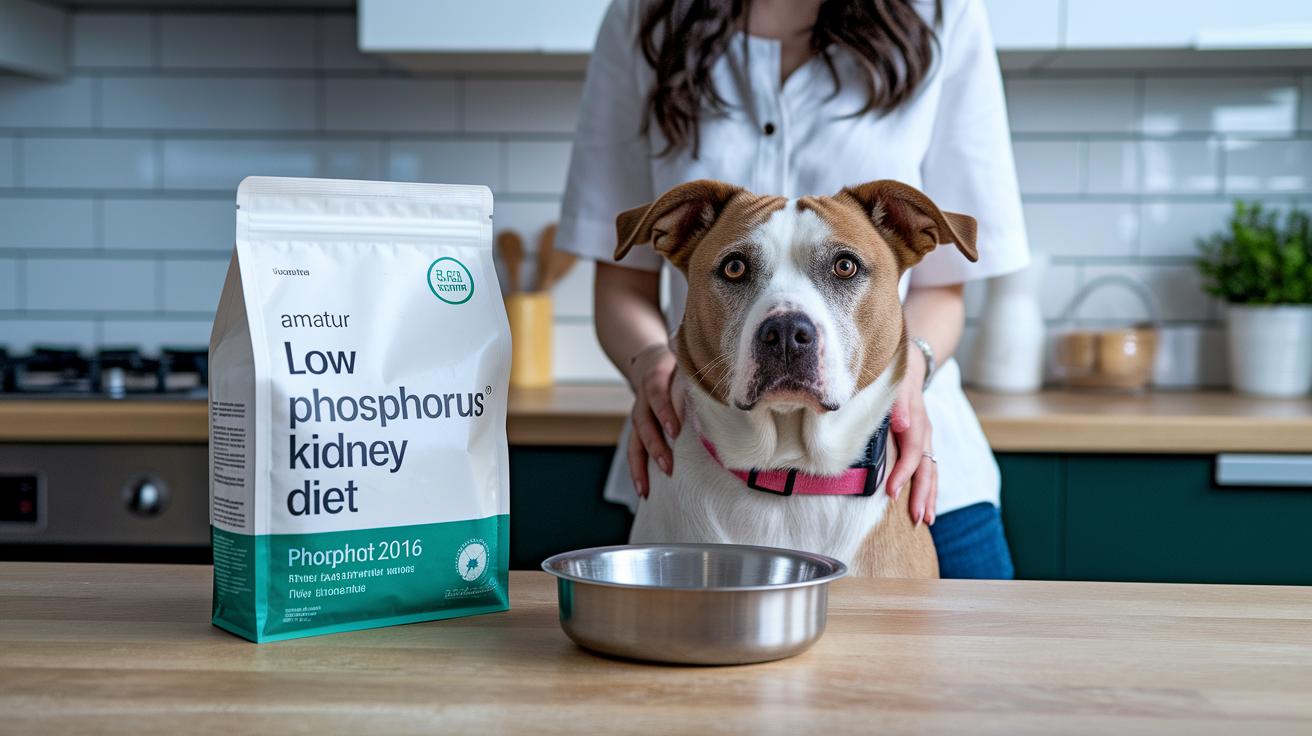
Protein helps build your dog's muscles, but you need to be careful not to overdo it. Just like you wouldn’t add too much salt to your favorite meal, too much protein can lead to extra waste that stresses your pup’s kidneys. It’s all about striking that perfect balance so your furry friend gets just what they need.
Keeping phosphorus levels low is also really important. When kidneys aren’t working at their best, they can’t remove extra phosphorus effectively. A low-phosphorus diet works like a smart filter that only lets the good stuff through. If you’d like to learn more, check out Renal Diet for Dogs at https://goodkaws.com?p=341.
Omega-3 fatty acids, B vitamins, and antioxidants each play a special role in supporting kidney function. They work together like a close-knit team to help reduce inflammation and keep everything in harmony. And just as you’d feel refreshed on a sunny day after a good drink of water, ensuring your pup’s diet is moist, and that they have fresh water available at all times, helps keep their kidneys happy. For some handy advice on hydration, visit How to Treat Dog Dehydration at Home at https://ribbon.co?p=5550.
Sometimes, adding supplements such as potassium, B complex, and fish oil can really fill any gaps in your dog’s diet, rounding out a meal plan that keeps your beloved pet feeling vibrant and healthy.
Prescription vs. Non-Prescription Kidney Dog Food Options
Taking care of a pup with kidney challenges can be tricky, but the right food can really make a difference. Prescription diets are specially made to give your dog the perfect balance of nutrients, taking some of the work off those hardworking kidneys. Vets usually suggest these diets once your dog is stable, and trusted brands like Hill’s and Royal Canin have put a lot of heart into crafting these recipes.
Prescription Kidney Diets
These diets focus on a few key things:
- They have just the right amount of protein so your pup doesn’t create extra waste.
- They keep phosphorus levels low to help ease kidney stress.
- Every bite consistently gives the balanced nutrients your dog needs.
It’s a bit like using your favorite recipe, where every ingredient is measured perfectly, ensuring a meal made with care.
Over-the-Counter and Commercial Low-Phosphorus Foods
Store-bought options might catch your eye with lots of flavors and variety. But sometimes those choices don’t control phosphorus and protein as precisely as prescription foods do. Even if these foods claim to be low-protein and low-phosphorus, they might not be as spot-on in meeting your dog’s specific kidney needs. So, it’s smart to check labels carefully and keep up with regular vet visits to make sure your furry friend is getting the best care possible.
Vet-Approved Homemade Kidney Dog Food Recipes

Homemade kidney dog food recipes can help make mealtimes more fun for dogs that aren't fans of their usual prescription foods. When you team up with a veterinary nutritionist, you create meals that are low in phosphorus, moderate in fat, mindful of sodium, and boosted with extra omega-3s (good fats that support kidney health).
One favorite recipe is Chicken and Rice. This dish uses tender, cooked chicken breast mixed with rice that's easy to digest. For a 15 lb pup, use 53 g of chicken; if your dog weighs 45 lb, go with 121 g; and for a 70 lb buddy, use 170 g. The mild chicken helps build muscle without overwhelming the kidneys, while the rice offers a soft, tasty base.
Another reliable option is the Ground Beef and Oats meal. Here, lean ground beef (85/15) gives enough protein without producing too many waste products. For a small 15 lb dog, use 53 g; for a medium 45 lb dog, 128 g; and for a 70 lb dog, aim for 181 g. Adding oats improves the texture and brings extra fiber while keeping sodium in check.
A third idea is a Fish and Sweet Potato dish. Use a low-phosphorus white fish, like cod, and serve it with mashed sweet potato. Follow the same protein amounts as the chicken recipe, 53 g for a 15 lb pet, 121 g for a 45 lb pet, and 170 g for a 70 lb pet, while enjoying the extra omega-3s and complex carbs from the sweet potato that help support kidney health.
| Dog Weight | Chicken Breast (g) | Ground Beef (g) |
|---|---|---|
| 15 lb | 53 | 53 |
| 45 lb | 121 | 128 |
| 70 lb | 170 | 181 |
Transitioning Dogs to Kidney Dog Food Diets
Switching your dog to a kidney-friendly diet is best done gradually over 7 to 14 days. Start by mixing in 25% new kidney dog food with 75% of the food your dog already loves. After a couple of days, if your pup is happy and comfortable, you can bump the new food up to half the meal.
Here’s a simple plan to follow:
- For the first few days, mix 25% new food with 75% old food.
- After 2 or 3 days, adjust the mix to 50% new food.
- Then, every 2 or 3 days, add another 25% new food until your dog is eating only the kidney-friendly diet.
Keep an eye on how your dog is doing. Notice if their appetite changes or if their stool seems off. Sometimes a pet might connect a recent illness with the new food, slowing down the change. Offering small, frequent meals on a regular schedule can help your dog adjust more easily. And if you spot any discomfort, feel free to stick with the current mix a few extra days before moving on to more new food. This gentle transition helps keep your furry friend comfortable and avoids upsetting their tummy.
Monitoring and Adjusting Kidney Dog Food Plans

It's important to take your pet to the vet every 2 to 3 months. These visits help check key kidney numbers like blood urea nitrogen (BUN, which shows waste buildup), creatinine (a muscle by-product), and phosphorus. For instance, if the creatinine level creeps up just a bit, your vet might suggest lowering the protein in your dog's meals, kind of like adjusting a recipe after tasting it.
Every day counts too. Watch your furry friend's water intake, weight, and how excited they are about food. Have you ever noticed them drinking less water or seeming a little off? These small changes can be early hints that it’s time to rework their food plan. Here’s a handy checklist:
| What to Watch | Why It Matters |
|---|---|
| Hydration | Make sure your dog is drinking enough water consistently. |
| Weight | Record their weight each week to catch any sudden changes. |
| Appetite | Notice if they seem less interested in food or struggle to finish their meal. |
If you see changes in test results or daily habits, be sure to work closely with your vet. They might recommend adding supplements like potassium (a mineral that supports muscle function) or fish oil, or even tweaking meal portions to keep your pet’s kidneys in good shape.
Final Words
In the action, we explored how balanced kidney dog food supports dogs with renal needs. We looked at math-approved recipes, compared prescription with over-the-counter options, and discussed smooth transitions to a renal diet.
Breaking down nutrient needs, hydration, protein, and phosphorus control showed how each element matters. This approach helps maintain comfort and quality of life for our beloved pets. Remember, adopting the right kidney dog food could really be a game changer for your furry friend’s well-being.
FAQ
What food is best for dogs with kidney disease?
The best food for dogs with kidney disease combines low protein, low phosphorus, and high moisture to support kidney function while remaining tasty, all under a vet’s guidance for the best balance.
What is special about kidney dog food?
The special thing about kidney dog food lies in its carefully controlled nutrients, including limited protein and phosphorus, which helps reduce waste buildup and supports overall kidney health.
What dog food options are available for kidney disease without a vet prescription?
Non-prescription options offer over-the-counter formulas that can be lower in protein and phosphorus, but they vary in quality. It’s wise to check labels and have a vet monitor your dog’s progress.
Can I prepare homemade kidney dog food?
Homemade kidney dog food recipes, developed with veterinary nutritional advice, allow pet parents to create precise, low-phosphorus meals that cater to a dog’s taste while providing needed renal support.
How should I switch my dog to a kidney dog food diet?
Transitioning your dog to a kidney diet involves a gradual 7–14 day process, steadily mixing in new food with the old to reduce digestive upset and help your dog adjust comfortably.
How do I monitor and adjust my dog’s kidney diet plan?
Monitoring involves regular vet check-ups, watching lab markers, and keeping an eye on hydration, appetite, and weight. Adjustments in protein, phosphorus, or supplements can be made as your dog’s needs change.
What should I feed a dog with kidney failure who refuses to eat?
For a dog with kidney failure that won’t eat, prioritize highly palatable, nutrient-rich kidney-specific foods or consult your vet for alternative feeding strategies and appetite stimulants to boost intake.
Are scrambled eggs good for dogs with kidney failure?
Scrambled eggs can be a gentle protein source for dogs, but they must be served plain and in small amounts. Always check with your vet to ensure they fit your dog’s dietary restrictions.
How can I help avoid kidney failure in my dog?
Preventing kidney failure involves regular vet check-ups, a balanced diet with appropriate nutrient levels, and early diet adjustments if lab tests show kidney stress, keeping your dog’s kidneys supported.