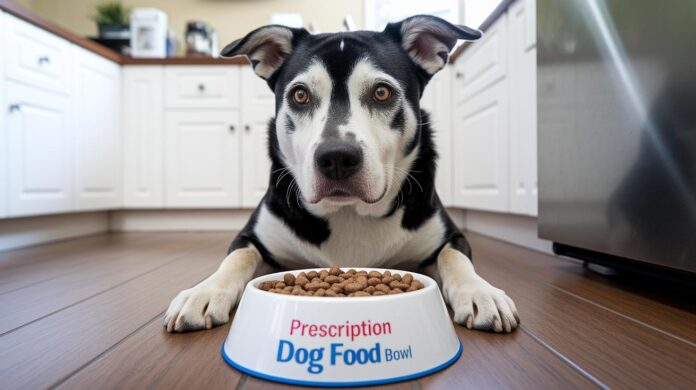

Have you ever stopped to think that your dog's food might be doing more harm than good? Prescription dog food isn’t your everyday kibble. It is carefully created by experts to help with specific pet health issues. Imagine a meal that not only eases discomfort but also brightens your pet's day.
This blog shares how a mix of carefully chosen ingredients can help soothe common issues like sensitive tummies or kidney worries while boosting your dog's overall energy. Feeding time can be more than just a routine, it can be a simple way to support your furry buddy’s well-being and happiness.
Understanding Prescription Dog Food and the Veterinary Prescription Process
This special dog food is carefully crafted to help dogs with health issues like kidney problems, diabetes, skin irritations, and urinary stones. Each ingredient is chosen based on thorough research and testing so that your furry friend gets the support it needs. Plus, a veterinarian checks the diet to make sure it's just right for your dog.
This isn’t your everyday meal. It’s all about balancing proteins, fats, vitamins, and minerals in exact amounts to ease discomfort, like what you might see with urinary stones. Think of it like following a precise recipe that helps soothe your dog’s tummy troubles. Some brands even offer a money-back guarantee if your pet isn’t a fan, giving you extra peace of mind.
In short, a vet-prescribed diet is more than just feeding time, it’s a personalized nutrition plan that boosts your dog’s energy and overall well-being. It’s a thoughtful way to keep your best friend happy and healthy every day.
Prescription Dog Food: Boosting Pet Vitality
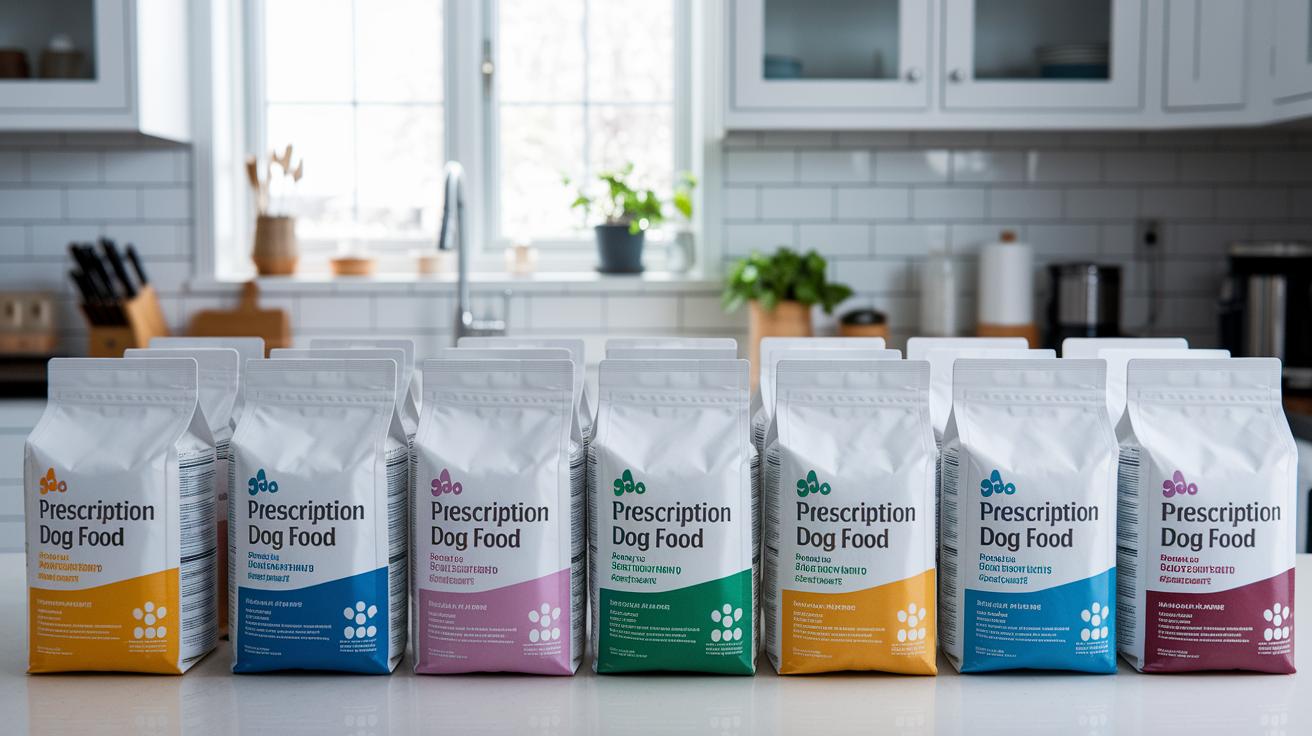
Prescription dog food gives your furry friend extra help when they’re facing health challenges. It’s made with care to suit specific issues, all while adding a spark of energy to brighten your pet’s day.
Imagine a meal that’s just the right size to help control weight. These gentle, calorie-controlled recipes keep your dog feeling fit and ready for adventures.
For pups with bladder stones, the food has special, balanced minerals that help prevent stone formation and keep your pet comfy. And if your dog has kidney issues, the meals are designed to be extra kind by lowering phosphorus and sodium, making each bite a soothing, tender treat.
When your dog has a sensitive tummy, hydrolyzed proteins (that is, proteins broken down into smaller, easier-to-digest parts) are included, so meals feel lighter and kinder. And for dogs dealing with arthritis, a touch of anti-inflammatory nutrients is added to help ease their discomfort and encourage more play.
- Obesity managed using gentle calorie control
- Bladder issues supported with carefully balanced minerals
- Kidney health aided by lower levels of phosphorus and sodium
- Tummy sensitivities soothed with easier-to-digest proteins
- Arthritis comforted by extra anti-inflammatory ingredients
Each recipe works like a little helper, ensuring your pet feels better and stays active every day.
Prescription Dog Food Formulations and Ingredient Quality
Prescription dog food is always getting better as companies find new ways to test and choose ingredients. Manufacturers now run feeding trials to see how well dogs digest their meals, absorb nutrients, and enjoy their food. Imagine a group of dogs trying out a recipe for several weeks while experts check for improvements in joint movement or tummy comfort, it’s like a little study making sure each ingredient plays its part.
Different makers follow their own quality rules. Some choose proteins and special ingredients from local suppliers who test everything thoroughly, while others work with independent labs to check that each nutrient really benefits your dog. This extra care means every meal meets high standards made just for our canine friends.
Recent trials show that different sourcing methods work in unique ways. One company found that using ingredients from trusted local sources helped keep nutrient levels steady. Another saw that careful feeding tests made sure each batch had balanced vitamins and lower phosphorus, which is good for kidney care.
| Manufacturer Approach | Key Detail |
|---|---|
| Feeding Trials | Tracks how dogs respond to balanced nutrients |
| Ingredient Sourcing | Chooses locally tested suppliers for trusted quality |
Prescription Dog Food Brands, Formats, and Flavor Options

Hill’s, Royal Canine, and Purina Therapeutic are trusted names when it comes to recipes that help your dog feel lively and strong. For example, Hill’s offers tasty choices like chicken or lamb that work to support healthy urinary, kidney, or tummy functions.
You can find these diets as either dry meals or canned dishes. Dry meals are easy to store and serve, while canned meals carry a richer smell and a meatier taste that your dog might really enjoy. Ever notice how adding a little warm water can bring out an extra burst of aroma?
Each recipe has a careful mix of nutrients made just for specific health needs. And if one flavor isn’t a hit with your pet, many brands even offer money-back guarantees so you can try another option without worry.
- Dry formulas offer simple storage and steady nutrition.
- Canned options bring extra flavor and moisture.
It’s like giving your dog a meal that’s not only delicious but also supports their overall well-being. If one choice doesn’t win them over, switching to another flavor or format might just make mealtime both fun and healthy.
Transitioning to Prescription Dog Food: Guidelines and Tips
When you're ready to change your pup’s meal, think of it like a gentle stroll through your favorite park. Start by gradually mixing in the new prescription food with your dog's current meal over about 7 to 10 days. Begin with just a little bit of the new food and slowly increase it, giving your furry friend plenty of time for a comfortable adjustment.
A little extra warmth can go a long way in making the meal inviting. Try adding warm water, giving it a brief zap in the microwave, or stirring in a spoonful of low-sodium broth. These simple tweaks help release a familiar, appealing scent, almost like the way a gentle pat gets your dog excited about playtime.
For some extra mealtime fun, why not try these interactive feeding ideas?
- Puzzle bowls that encourage your dog to sniff around and work for their food
- Short training sessions where their meal doubles as a tasty reward
If your dog still isn’t interested in the new mix, it might be that this particular brand just isn’t the right match. In that case, have a chat with your vet about switching to a different prescription food or even designing a home-cooked plan that meets your pup’s unique needs. This way, you can ensure that the dietary change is both safe and effective for your best friend.
Cost Analysis and Accessing Prescription Dog Food

You know how some things are a little pricier when they get special attention? That’s true for prescription dog food. These diets cost more because there's extra research, careful formulation, and strict safety checks behind every batch. When you pick them up at a vet clinic, you're also paying for the hands-on care and expert advice they provide.
But here's some good news. Many pet parents are turning to online options for their furry friend's prescription meals. Online retailers often offer subscriptions, discounts, or package deals across a bigger range of trusted brands. It’s a bit like ordering your favorite meal at home, subscriptions can sometimes give you savings that you might not find at a local vet.
To break it down, consider these points:
| Option | Details |
|---|---|
| Vet Clinics | Slightly higher prices with ready access to expert advice |
| Online Options | Subscriptions, discounts, and a wider array of brands |
No matter which route you choose, both provide authentic and quality formulations for your pet. Comparing local vet prices with online deals might help stretch your budget while keeping your best pal happy and healthy.
Monitoring Your Dog on Prescription Dog Food and Potential Side Effects
It’s important to keep a close eye on how your dog responds to their new prescription food. Watch for any changes in weight, poop, water intake, and energy. If you notice a small drop in energy or a bit of fussiness during mealtime, jot it down. This simple daily check helps catch any shifts early.
Some pups might have a little upset tummy or become a bit choosy as they adjust. You might see soft stools or a slight drop in appetite. These changes usually clear up on their own. But if they stick around or get worse, it’s a good idea to talk to your vet.
Regular vet visits are really helpful. Share notes about your dog’s weight, poop patterns, and behavior changes so your vet can tweak the diet if needed. This teamwork, along with watching your pet at home, keeps your furry friend healthy and happy.
Final Words
In the action, we explored how prescription dog food supports our furry friends from managing chronic conditions to ensuring ingredient quality. We discussed how each carefully formulated diet aids health issues like kidney problems and food sensitivities while offering varied formats and flavors to please every pup. Transitioning to these diets is simple with gradual mixing and fun feeding ideas, and cost considerations were also highlighted. Every step aimed to boost confidence in pet care decisions. With prescription dog food, every pet can enjoy a healthier, happier life.
FAQ
Q: What are some popular prescription dog food brands?
A: The prescription dog food brands include Royal Canin, Purina, and Hill’s, which offer specialized formulas to help manage specific health conditions like kidney issues or food sensitivities.
Q: How does Royal Canin prescription dog food serve different health needs?
A: The Royal Canin prescription dog food line provides formulas designed to meet your pet’s specific dietary needs, aiding in managing issues such as urinary health or digestive sensitivities.
Q: Which prescription dog food is best for my pet’s condition?
A: The best prescription dog food is the one tailored to your pet’s unique health issues; your veterinarian can recommend a formula based on conditions like obesity, kidney disease, or food sensitivities.
Q: Are prescription dog foods worth it for my pet?
A: Prescription dog foods are worth it because they are scientifically formulated to address chronic health conditions, offering controlled ingredients that help improve your pet’s overall wellbeing.
Q: Do I need a prescription to buy prescription dog food?
A: A prescription is required because these specialized diets are designed to manage specific health issues, and a veterinarian’s approval ensures your pet receives the most effective nutrition.
Q: How do I buy prescription dog food at stores like PetSmart or online retailers like Chewy?
A: You can buy prescription dog food at stores like PetSmart or online on platforms such as Chewy, but you must provide a valid veterinary prescription to complete the purchase.
Q: What is wet prescription dog food and when should I choose it?
A: Wet prescription dog food is a moist, canned option formulated to support your pet’s specific health needs, and it can be a great choice for dogs that prefer a softer texture or need additional hydration.