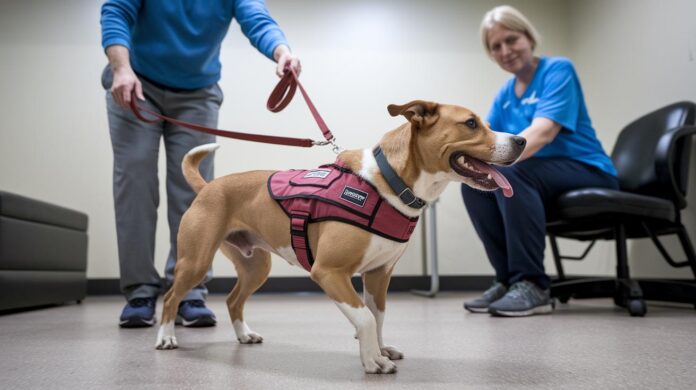

Have you ever noticed how a dog's gentle presence can lift your mood? With PTSD dog training, a furry friend transforms into a caring, calming presence during life's tough moments.
Imagine a pup that senses your swirling feelings and nudges you back to calm, a loyal pal who knows when you need a little break. This training helps build a deep, trusting bond, bringing hope and a sense of safety to those living with PTSD, making every day a bit brighter.
How PTSD Dog Training Empowers Symptom Management
PTSD dog training is all about preparing special furry friends to support people dealing with post-traumatic stress. These clever pups learn how to step in when trouble seems close, like noticing the early signs of a panic moment and gently guiding their handler back to calm. It feels a lot like having that best friend who always seems to know just when you need a little help. This kind of training not only brings a strong bond between the dog and its person but also builds a comforting sense of security when life gets stressful.
The journey starts with teaching the basics, commands like “sit,” “stay,” “down,” and “watch me”, which set the stage for more advanced skills. Gradually, these dogs learn to perform tasks that can ease flashbacks and help anchor their owners during sudden spikes of anxiety. They learn to interrupt panic episodes, help with room searches when needed, form a gentle protective barrier in crowded places, and even remind handlers to take their medication. It’s like teaching your buddy to be your reliable helper in tricky moments.
Before any of this special work, each future PTSD service dog is evaluated by a licensed mental health professional. This careful check helps ensure that the training fits both the dog and its person perfectly. With many veterans and first-time pet parents needing extra help, this personalized training lets handlers feel more independent and secure as they face daily challenges, all thanks to a loyal, well-trained companion.
Core Tasks in PTSD Dog Training Techniques

Dogs that already know basic commands then learn special tasks to help comfort those dealing with PTSD. Trainers work step-by-step using friendly methods like giving treats and lots of praise to build each dog’s confidence. For example, if a dog takes a moment on hearing a sudden noise, a trainer might excitedly say, "Great pause!" to encourage calm behavior.
This next phase mixes in unique strategies with everyday training. Techniques include helping interrupt panic attacks, leading orderly room searches for veterans who are at risk, serving as a protective shield in busy places, and even reminding handlers to take their medicine. These realistic drills make sure the dog is a steady, loving companion when things get stressful.
- Helping interrupt panic attacks and flashbacks
- Leading orderly room searches for high-risk veterans
- Acting as a protective shield in crowded spaces
- Reminding handlers to take their medication on time
ptsd dog training: Calm Canines Spark Hope
This program uses clear, proven steps to build a strong bond between you and your dog. It starts by getting to know what you need and understanding your dog’s unique personality, ensuring you're a perfect match for the special tasks ahead.
You’ll enjoy a mix of self-paced online lessons with friendly video demos and live Q&A sessions, plus hands-on board and train programs that offer daily in-person guidance and helpful homework reviews from afar. Each step focuses on practical skills to make stressful times more manageable, turning your furry friend into a calm and capable helper.
| Phase | Focus | Key Actions |
|---|---|---|
| 1. Initial Assessment | Handler and Canine Evaluation | Evaluate temperament and symptoms to see how well-suited you are together. |
| 2. Basic Obedience Mastery | Foundation Skills | Teach simple commands like sit, stay, down, and watch me to build a steady response. |
| 3. Task Introduction | Specialized Drills | Start positive-reinforcement drills to help your dog handle tasks like interrupting panic attacks and following routine activities. |
| 4. Public Access Training | Real-World Application | Practice distraction-proof skills so your dog can work calmly in public environments. |
| 5. Ongoing Evaluation | Continued Skill Refinement | Review progress and schedule refresher sessions to keep the behaviors strong and adjust the training as needed. |
Step by step, this program builds on itself to boost both your confidence and your dog’s skills. By following this thoughtful training journey, you'll end up with a calm, capable companion ready to help ease the challenges of PTSD symptoms.
Certification Guidelines for PTSD Service Dog Training
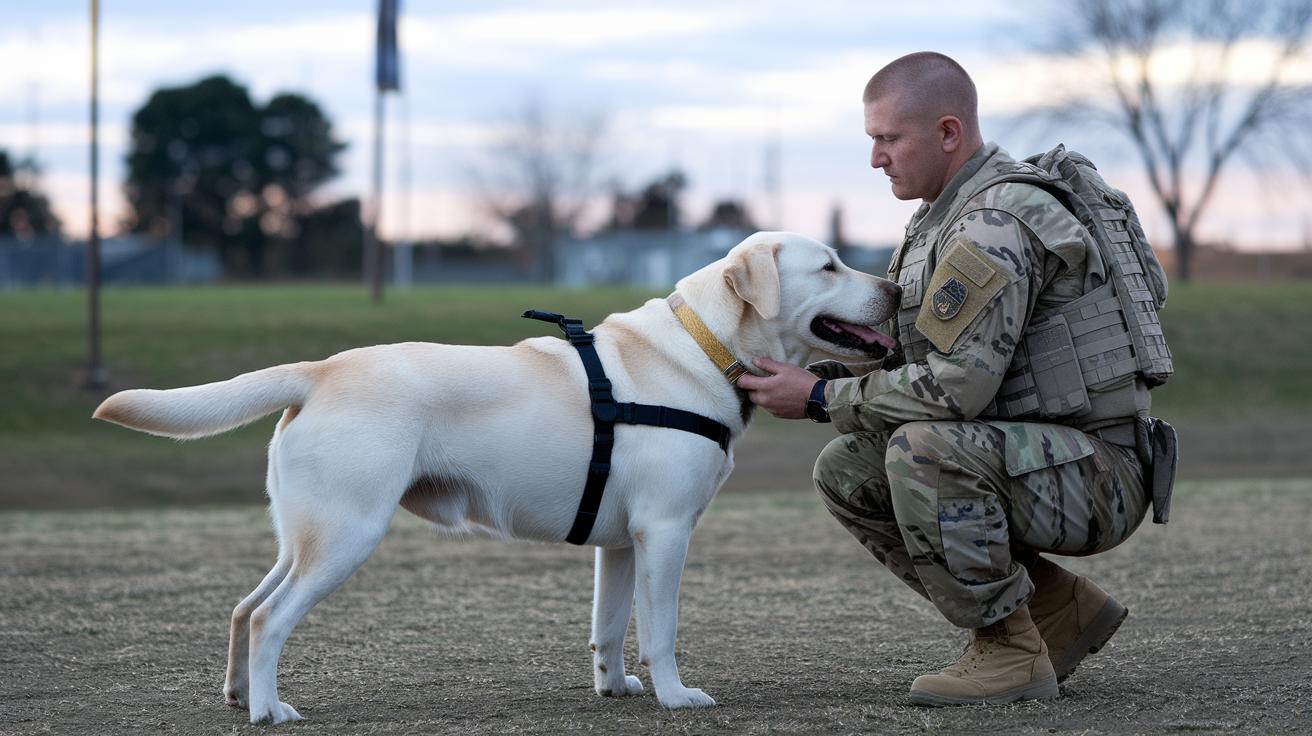
A licensed mental health professional plays a big part in making sure both you and your dog are well-prepared. They check if you’re ready to handle the challenges of daily life and if your dog can reliably step in during a panic or stress-filled moment, just like the ADA suggests. It’s like having a trusted buddy who makes sure you’re both on the same page.
Part of the process is all about learning. You get taught about your legal rights, the proper way to act in public, and what responsibilities come with having a service dog. Plus, there are regular reviews so you and your canine partner stay sharp and ready for any situation. It’s really comforting knowing you’re building a strong, trustworthy team.
On the other hand, emotional support animals skip these tough checks and task training. Service dogs, however, earn their full public access by proving they can help when needed. This careful training makes sure you and your dog become a dependable duo, ready to tackle the ups and downs of life together.
Veteran Trauma Dog Training Success Story
In sunny Southern California, a unique program teamed up with a veteran and a Labrador retriever to ease the challenges of PTSD. It all began with a complimentary assessment where caring experts took time to chat with the veteran about his experiences and gently observed the dog's behavior. This friendly discussion helped them craft a training plan that fit both their needs perfectly.
Over four weeks of board and train, the Labrador learned special techniques to break the cycle of panic and bring a calming vibe during stressful moments. Imagine the comforting feeling of a soft nudge from a loyal friend during a rough patch. After six months, the veteran noticed a whopping 70% drop in panic episodes. This change brought back his confidence and made daily life a little brighter.
Given that around 23% of deployed veterans live with PTSD, programs like this are truly essential. They also offer monthly virtual check-ins to chat about progress and fine-tune the training as needed. Many veterans have shared how this approach helped them feel more connected with others and even cut back on medications. It’s amazing how a bit of structured, heartfelt guidance can make a big difference.
To learn more, check out the professional service dog training options available, which are designed to support you step by step through the entire process.
This heartwarming success story shows just how much a calm, caring canine can spark hope and make life a little easier.
Selecting Breeds for PTSD Dog Training

Choosing the right dog for PTSD training is a heartfelt process. Breeds like Golden Retrievers, Labrador Retrievers, Doberman Pinschers, Standard Poodles, Boxers, and Lhasa Apsos are often preferred because they naturally exude calmness and smarts. These pups have a gentle way of handling stress, making them great companions who can ease anxiety with their friendly nature and eagerness to learn.
A big part of the journey is starting with a temperament assessment. This means experts spend some time getting to know the dog's personality to ensure it matches the unique needs of someone with PTSD. In simple terms, a good companion will be steady, easy to train, and gentle enough to offer comfort during tough moments. Picking a dog with these traits sets the stage for a bond that can make everyday life a little brighter and more manageable.
In-Person vs Remote PTSD Dog Training Options
In-person board and train programs are great if you’re looking for hands-on help with your pet. Imagine a trainer right there, gently guiding your furry friend and fixing any issues on the spot. The calm and focused setting means fewer distractions, making it easier for your dog to learn and feel safe during those challenging moments.
Remote training is a perfect choice if you need a little more flexibility. With video lessons, live coaching calls, and digital progress updates, you can move at your own pace. It’s a lot like the service dog training online you might have heard about, simple, clear steps that let you build a closer bond with your pet in the comfort of your own home.
Both ways have their own special perks. In-person sessions give you instant feedback, while remote lessons offer the convenience to fit your busy life. Which method works best for you and your pet really depends on your needs.
Final Words
In the action, we explored how specialized training supports both dogs and their handlers in managing PTSD. We broke down the training process, from basic obedience to targeted tasks designed to ease flashbacks and anxiety. Each step, from program design to certification, shows how careful practice and a supportive approach can make a big difference. We also shared a heartening success story and useful tips on selecting the best canine partner.
Combining structure with genuine care, ptsd dog training offers a hopeful path to improved well-being for everyone involved.
FAQ
What does ptsd dog training online involve?
The ptsd dog training online approach means using video lessons and live sessions that let you learn remotely how to teach your dog specialized skills to help handle PTSD symptoms.
How can I find ptsd dog training near me?
The ptsd dog training near me query highlights local in-person programs and board and train services that offer hands-on learning, providing personalized guidance from professionals experienced with psychiatric service dogs.
What factors affect ptsd dog training cost?
The ptsd dog training cost depends on factors like program length, training format (online vs in-person), and certification evaluations, so prices vary based on the services and personalized instruction provided.
Is there free ptsd dog training available?
The free ptsd dog training option indicates community programs or introductory sessions offered at no charge, letting handlers explore basic service dog skills to see if further, more specialized training fits their needs.
What does PTSD dog training certification require?
The PTSD dog training certification means completing an official evaluation by a licensed professional, ensuring the dog meets required task standards and that the handler is well-versed in managing the canine partnership safely.
Where can I find a PTSD service dog training manual pdf?
The search for a PTSD service dog training manual pdf suggests that some trainers offer downloadable guides outlining step-by-step techniques, giving you a detailed reference for teaching your dog essential PTSD support tasks.
How do I get a service dog for PTSD and anxiety?
The process for getting a service dog for PTSD and anxiety typically begins with a mental health evaluation, followed by enrollment with a trained organization that matches you with a canine capable of performing specific support tasks.
What tasks are included in a PTSD service dog tasks list?
The PTSD service dog tasks list includes skills such as interrupting panic attacks, conducting room searches, acting as a protective barrier in crowds, and reminding handlers to take their medication—each aimed at reducing stress symptoms.
Can I train my own dog to be a PTSD dog?
The question about training your own dog to be a PTSD dog suggests that while basic obedience can be self-trained, specialized PTSD tasks are best handled with professional guidance to ensure the dog responds correctly under stress.
What is the 3-3-3 rule for dog training?
The 3-3-3 rule for dog training describes a method where you break sessions into three parts of three minutes each, with short breaks in between, helping to keep your dog engaged without overwhelming them.
What is a PTSD dog trained to do?
A PTSD dog is trained to perform tasks like interrupting panic attacks, conducting systematic room searches, creating a physical barrier in crowded places, and reminding the handler to take medication, supporting daily symptom management.
How can I get my dog certified as a PTSD dog?
Getting your dog certified as a PTSD dog involves a professional evaluation to verify reliable task performance, adherence to legal guidelines, and demonstration of skills needed to assist you safely in public and stressful settings.