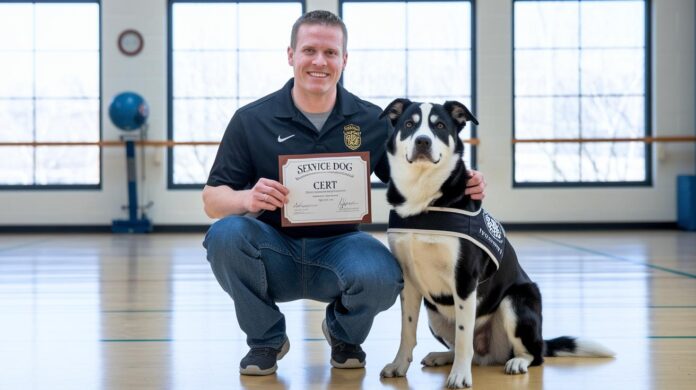

Have you ever thought about turning your passion for dogs into a rewarding career? The service dog trainer certification isn’t just a piece of paper. It’s a chance to sharpen your skills while showing how much you care about pet families.
This trusted badge is earned through years of hands-on work and proven methods. It gives trainers the confidence and pride that comes from working with hearing dogs, autism assistance dogs, and facility dogs. With over 160 trainers already holding the SDC title, this certification lights up a bright path for anyone ready to make a real difference in pet care.
Key Elements of Becoming a Certified Service Dog Trainer
The service dog trainer certification is a trusted badge for pet educators. Started in 2017, this program has helped over 160 trainers earn the SDC™ title, a sign of high quality. Trainers with the SDC™ designation proudly display the Cooperative Paws SDC® logo on their materials, hang a lovely printed certificate on their wall, and even get listed in a reliable online directory.
To apply, you need at least one recognized industry credential and hands-on experience working with both clients and their dogs. Think of it like this: a seasoned trainer who spent countless hours perfecting a new command now carries the SDC™ logo, showing off their hard work and passion.
Every certified trainer walks away with detailed training methods and a solid grasp on managing both client expectations and dog behavior. The course focuses on reward-based training (using treats and praise to encourage good behavior), so graduates are ready to work with hearing dogs, autism assistance dogs, and facility dogs. This certification isn’t just a certificate, it’s a step into a professional world filled with advanced skills and heartfelt care for pets.
Step-by-Step Pathway to Service Dog Trainer Qualification
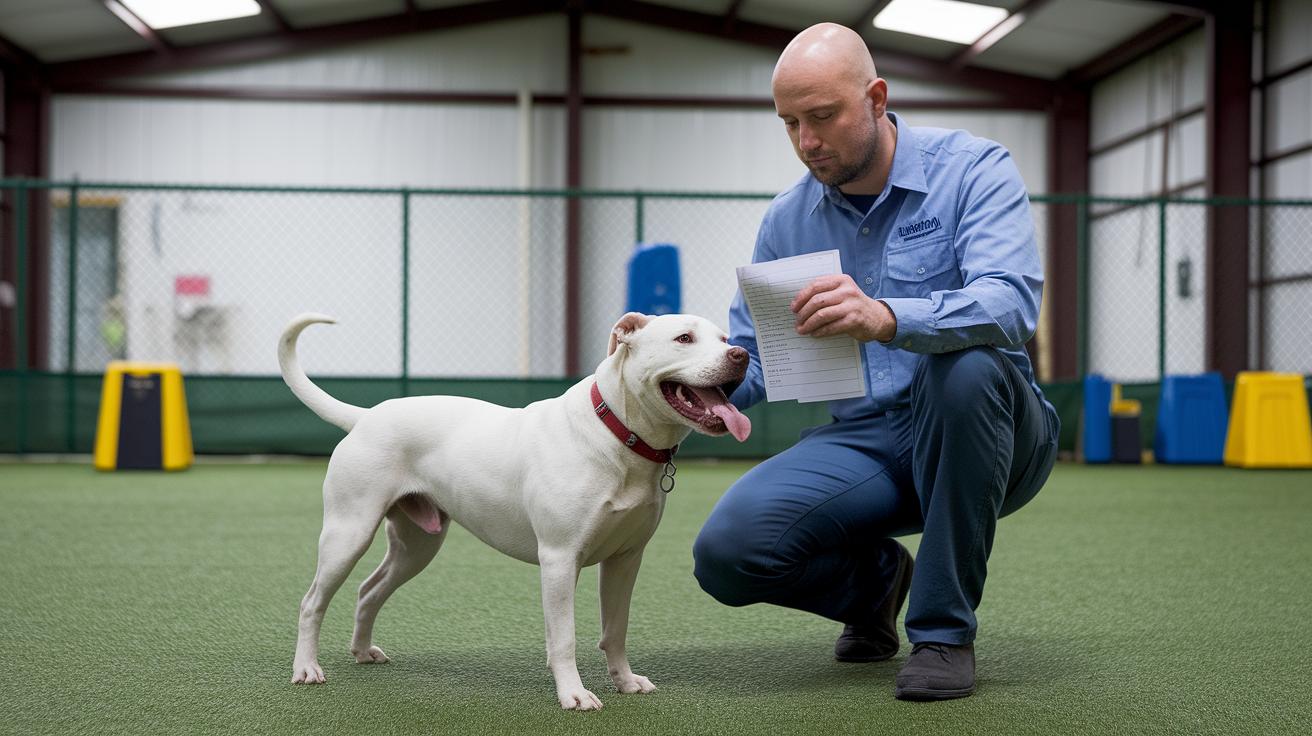
Start your journey as a Kennel Technician, a role that lasts anywhere from 6 to 12 months. In this phase, you'll get up close to canine behavior while taking on everyday tasks. Imagine spending almost a year learning how to care for dogs, with each day offering a new lesson in how they act and what their needs are.
Next, you'll step into the role of Training Assistant for at least 3 months. Here, you work hand-in-hand with experienced trainers, learning the art of dog training firsthand. Picture yourself right there on the training ground, using standard checklists to make sure every important task is met with care.
Then comes your time as Apprentice Trainer 1, which lasts for about 6 months. During this period, you'll dive into basic ASL skills (a simple way to communicate using sign language) and learn the first steps of effective training methods. It’s a bit like picking up a whole new language that helps you connect with both dogs and their owners. Passing written tests and practical checklists is a key part of proving your progress here.
After that, you move on to Apprentice Trainer 2, which is an 18-month phase focused on growing your client contact skills and mastering more advanced training techniques. It’s a chance for significant growth as you refine your approach and get ready for even more responsibility in dog training.
Finally, you enter Apprentice Trainer 3 for about 1 year. In this last phase, you'll take part in at least five placements with follow-ups. Think of this as your real-world exam, where every placement is an opportunity to show your expertise and step confidently toward full certification.
Accredited and Online Certification Programs for Service Dog Trainers
At Cooperative Paws SDC™, you can dive into a 3-month online course designed to fit snugly into your busy life. With just about 4 hours a week of videos, readings, quizzes, and hands-on projects, you can learn at your own pace from the comfort of your home, just like settling in for your favorite TV show after a long day. It’s a smooth, enjoyable way to build your credentials.
The course works on a flexible, asynchronous schedule. This means you can start whenever you’re ready, go over tricky parts again, and even redo quizzes or projects to get personalized feedback. For instance, if you’re trying out a new training technique, you might record your service dog in action, check out the feedback, and fine-tune your method until you’re comfortable and confident with your skills.
Atlas Trainer Academy brings another fun choice to the table with its Specialty Training modules online. These modules are great if you’re a pet expert who loves a deep dive into learning. They even have a cool Team Facilitator volunteer certification that lets you work side-by-side with clients, giving you real, hands-on experience that reinforces everything you study.
Both programs focus on modern, reward-based training methods, mixing theory and practice perfectly. This means that the credentials you earn aren’t just for show, they reflect the genuine skills you’ve built and the real-life experience you gain.
Think of it as a smart step forward in your career as a service dog trainer. These online courses give you the freedom to study on your own schedule while preparing you for the exciting challenges of working closely with clients and their amazing service dogs.
Certification Requirements, Eligibility Standards, and Regional Guidelines

If you want to become a service dog trainer, you need to have a well-known industry credential along with some hands-on experience working with dogs and their owners. Think of a trainer who has spent years by a pet owner’s side, this background really shows you know your stuff. Many programs also ask for a bit of ASL (that's American Sign Language, used for clear communication) and simple record-keeping skills. It’s like keeping a daily note on your dog's training, which helps track progress and builds trust with your clients.
Your home life is part of the look, too. For some help types, your household should only have one dog, and your yearly dog-care expenses usually need to be above $1,500. Imagine budgeting for top-quality pet food, regular vet check-ups, and all the training gear you need. When you meet these standards, it proves you’re ready for all the responsibilities that come with training service dogs.
Different states have extra rules as well. In places like Texas and California, you might need extra licenses or meet special rules, so it’s smart to look into what your state requires before you sign up. This could mean taking extra tests or classes based on where you live.
| Requirement |
|---|
| Hold a recognized industry credential |
| Have solid client-dog experience |
| Meet home-environment rules (like having no other dogs and spending over $1,500 a year on dog care) |
| Show basic ASL skills and good record-keeping |
| Follow any state-specific rules, especially in Texas and California |
Taking these steps ensures that every trainer is ready to offer great service and support to their clients.
Program Duration, Cost Breakdown, and CEU Accreditation
This certification course lasts 3 months and requires about 4 hours of work each week. Because the study schedule is asynchronous, you can pick the time that works best for you, a perfect setup for busy pet professionals who still want to learn new skills. It’s just like setting aside a few moments to learn a fun new trick with your pet.
The course fees cover more than online lessons. They also go toward CEU fees, printing and mailing your certificate, and other essentials. Provider rates differ, so you get access to quality resources that match your investment in your career.
Continuing education is key for keeping your skills sharp and recognized by industry groups. You will earn CEUs that boost your professional profile, think of them as little badges of honor for your hard work. Here’s a simple snapshot of the credits you can earn:
| Credential | CEUs Awarded |
|---|---|
| CCPDT CPDT-KA | 21 (12 Skills & 9 Knowledge) |
| CBCC | 9 |
| KPA | 30 |
| IAABC | 17 |
| PPGA | 20 |
These credits not only add value to your certification but also help keep you up-to-date with the best practices in service dog training. It’s a neat way to show off your professionalism in the field.
Career Paths and Earnings Potential for Certified Service Dog Trainers
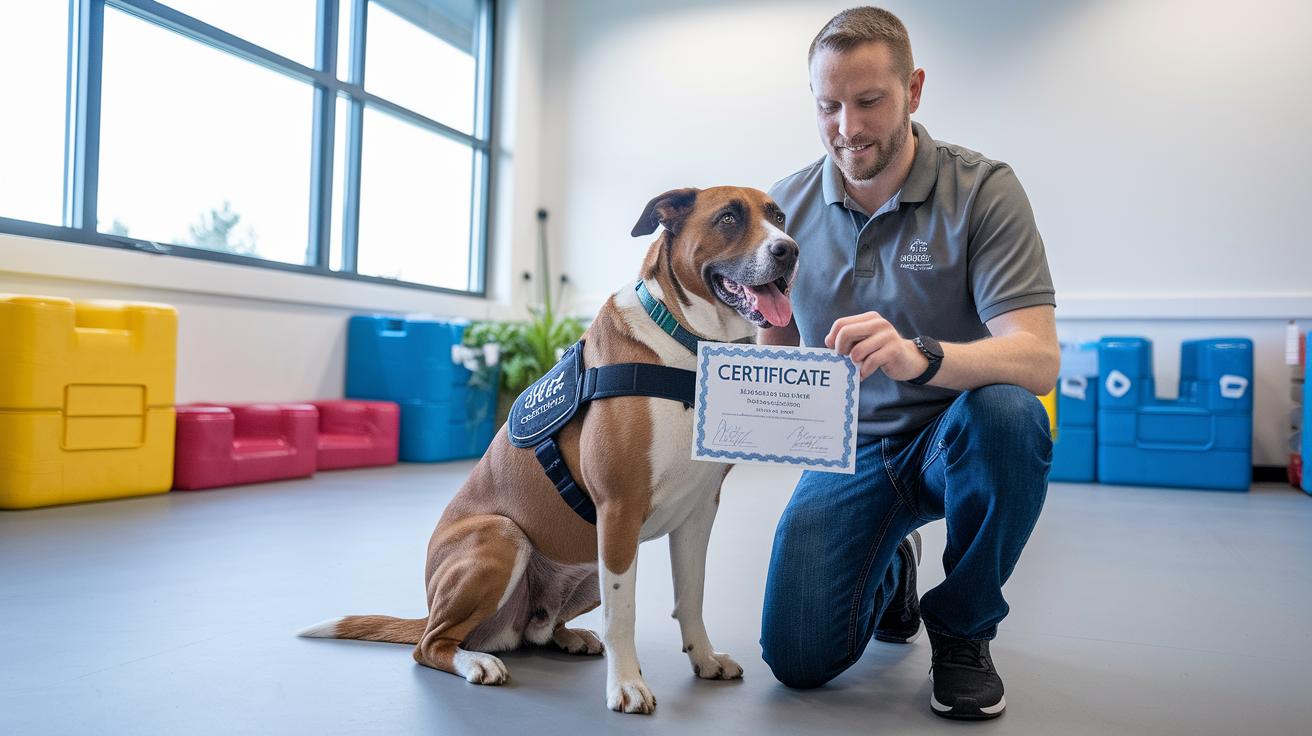
Certified service dog trainers get to work in many fun and fulfilling settings. Some trainers join forces with owner-trainers, others support nonprofit programs, and some even build their own private practices, just like picking your favorite adventure based on your love for pets. It’s a bit like having different paths to choose from, where one trainer might love the buzz of a community setting and another might prefer the one-on-one touch of personal consulting.
Once you earn your certificate, you receive a handy business toolkit filled with forms, letters, and checklists. Imagine this toolkit as your go-to helper for organizing your new skills. For instance, you might use a checklist to track exactly what a client needs. Then, you put together a neat business packet that shows off your training credentials. This extra preparation helps you shine in a competitive field.
Many trainers find that they can charge premium fees, host engaging workshops, and steadily grow their income with specialized roles. Here are a few of the job opportunities you might consider:
- Consulting with owner-trainers
- Helping out nonprofit service dog programs
- Building your very own private client practice
Each option offers a unique mix of hands-on work and strong earning potential. Charging a bit more for personalized sessions, running small-group classes, or even keeping a featured spot in industry directories can really add up. Your SDC certification isn’t just a credential, it’s a promising step toward a rewarding career that lets you follow your passion for pet care.
Continuing Education, Renewal Process, and Professional Development
Staying current with your certification is part of the everyday journey as a service dog trainer. You earn 21 Continuing Education Units (CEUs) from CPDT CPDT-KA along with credits from CBCC, KPA, IAABC, and PPGA. Think of each credit as a little badge that shows off your growing skills. It’s like following a path where live webinars, hands-on workshops, and friendly email groups bring you new insights from seasoned trainers.
You also need to keep your training methods fresh by checking the latest research and evidence-based practices. That means keeping track of your earned CEUs and taking a look at current studies every now and then. Sometimes, you even need to share a video or a real-life example of a new service dog command to show what you’ve learned.
| What to Do | How to Do It |
|---|---|
| Engage | Join live discussions with peers |
| Learn | Attend interactive workshops and webinars |
| Record | Keep detailed records of new credits you earn |
By continually refreshing your techniques through ongoing professional development, you show the world just how passionate you are about making a positive impact on the lives of dogs and their people.
Final Words
In the action, this article zoomed in on the path to service dog trainer certification, covering everything from step-by-step training stages and eligibility standards to online program details and career potential. The breakdown made each phase of the process clear and approachable. It also shared insights on course costs, CEU credits, and refreshing your skills through continuing education. Overall, the guide helps you feel more confident in making informed decisions and sparks excitement for a rewarding future in pet care. Enjoy your next steps with a smile and a sense of purpose.
FAQ
Service dog trainer certification online & Is online service dog certification legit?
The service dog trainer certification online offers a credible, self-paced course with video lessons, quizzes, and hands-on tasks that meet industry standards and provide a recognized credential.
Service dog trainer certification cost & How much does it cost to train and certify a service dog?
The service dog trainer certification cost covers online materials, CEU fees, and certificate production. Providers outline detailed pricing, helping you understand your overall expenses clearly.
Service dog trainer certification near me & Best service dog trainer certification
The best service dog trainer certification near you features local accredited programs offering both hands-on training and comprehensive online modules, ensuring you receive quality education that suits your needs.
Service Dog Trainer salary & Service Dog Trainer jobs
The service dog trainer salary and job opportunities show a rewarding career with premium rates, flexible work settings, and continuous support through business directories that help connect you with clients.
What qualifications do you need to be a service dog trainer?
The qualifications to be a service dog trainer include having a recognized industry credential, hands-on dog training experience, basic ASL skills, and documented client-dog interaction experience.
Service dog trainer certification Texas & Service dog trainer certification California
The service dog trainer certification in Texas and California adheres to regional licensing rules. Trainers should research state-specific requirements in addition to holding standard industry credentials.
What do I need to do to train my dog to be a service dog?
The process to train your dog as a service dog requires teaching specific tasks, consistent obedience, and meeting established training standards through recognized courses or online certifications.