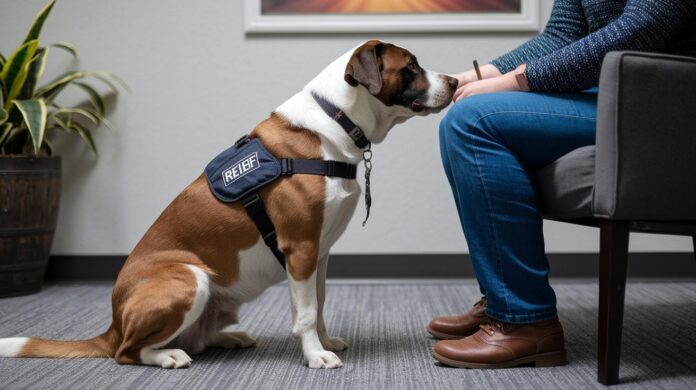

Ever thought your furry pal might help calm your racing thoughts? Service dog training for anxiety teaches pups to spot stress and offer a gentle, reassuring presence when you need it most.
Studies have shown that these specially trained dogs can ease anxious moments by stepping in with actions that bring a soft, soothing touch. Picture that kind nudge in the middle of a scary moment, a reminder that you’re not alone.
It’s pretty amazing how this special bond changes lives every day.
What Service Dog Training for Anxiety Entails: Benefits and Key Concepts
Psychiatric service dogs, or PSDs, are specially trained animals that help people manage anxiety. The ADA defines them as dogs taught to perform tasks that ease disabilities like anxiety. Have you ever felt your heart race and noticed your dog instinctively coming closer? That’s because these dogs learn to pick up on subtle hints, like a slight change in your tone or movements, that tell them when anxiety is building up.
These incredible companions do more than just offer company. Research shows they can actually lower PTSD symptoms, especially in veterans, by providing a steady presence and heartfelt comfort. It’s pretty amazing to think that many service dogs start training as puppies, forming deep bonds with their handlers early on. That unique bond, along with targeted training, really makes a difference in improving the quality of life for so many.
They’re trained to help in lots of ways, such as:
- Alerting you when a bout of anxiety or a panic attack might be coming
- Interrupting repetitive or self-harming behaviors
- Offering deep pressure therapy during stressful moments
- Fetching medication or other essentials during a crisis
- Giving a gentle nudge or pawing you to bring calming tactile feedback
Training a psychiatric service dog typically takes about one to two years. During that time, they learn basic obedience along with their special anxiety-related tasks, often practicing these skills in real-world settings like busy public areas. This thorough training makes sure they meet ADA standards, focusing solely on actions that ease your anxiety and provide the essential support you need.
Selecting the Right Service Dog for Anxiety Support

Choosing a service dog to help manage anxiety is all about finding a buddy with a warm, steady nature. A dog that feels just right can quickly become a caring companion who not only learns important tasks but also stays relaxed in busy places. Breeds like Labrador Retrievers, Golden Retrievers, Poodles, and Border Collies are often great picks because they’re both gentle and resilient. They have a natural curiosity that helps them handle little distractions during training or out in public, offering a calm, supportive presence when you need it most.
Here's a look at the wonderful traits to look for:
| Trait | Description |
|---|---|
| Confident | They carry themselves with a quiet assurance. |
| Curious | They show interest in their surroundings without getting overwhelmed. |
| Non-reactive to distractions | They stay focused even when unexpected things happen nearby. |
| Attentive | They keep an eye on you and follow your cues. |
| Highly trainable | They enjoy learning new tasks and tricks. |
| Calm | They help bring a sense of peace wherever they go. |
While puppies can be full of energy and adapt quickly, adult dogs often have a more established, steady temperament. No matter which age you lean toward, a quick health check with your veterinarian is key. Make sure to look for any signs of joint or heart issues so you’re confident your new friend is physically ready to take on service work. Taking care of both their temperament and health will lead you to a service dog that truly brings comfort and relief.
Core Anxiety-Coping Tasks to Train in Your Service Dog
When training your service dog to sense early signs of anxiety, you focus on little hints like a change in your tone, movement, or even a bit of stress in your scent. Your dog learns a set of helpful tasks to support you in calming moments.
-
Alerting you when anxiety is on the horizon – Your dog may give a gentle nudge or soft bark to let you know before things start to escalate.
-
Breaking up repetitive or harmful behaviors – When you find yourself stuck in a loop, your dog can redirect your attention with a simple distraction.
-
Providing deep pressure therapy during high anxiety – By leaning in and using its body weight, your dog offers a calming, grounding sensation, much like the comforting squeeze of a warm blanket on a cool day.
-
Retrieving medication or water – When anxiety flares, your service dog can fetch important items quickly, giving you the relief you need.
-
Guiding you to a safe spot – If your surroundings become too much, your dog can lead you to a quieter place, almost like saying, "Come with me for a little break."
-
Offering a comforting touch – A gentle paw or nudge from your dog can provide a soothing reminder that you are safe.
Each of these tasks can be tailored to fit various triggers, whether you’re dealing with PTSD hypervigilance or social anxiety. The training stays clear and focused, helping you feel supported every step of the way.
Service Dog Training Techniques: Association Method vs “Tell” Method

When you're training an anxiety service dog, you want a gentle approach that speaks to your pet's heart. There are two friendly ways to help your dog notice and handle early signs of anxiety. One is the Association Method, where you start early with tasty treats or fun tug toys to create a happy link between those anxious signals and rewards. The other is the Tell Method, where you use a clear hand gesture or a soft tap to let your dog know just what to do, even if you're a little farther away.
| Method | Description | Key Advantages | Ideal Use Case |
|---|---|---|---|
| Association | Begins around 8 weeks of age by giving high-value treats or tug toys whenever your pet shows signs of anxiety. | Helps your dog build a strong, happy connection with early anxiety cues through regular rewards and gentle practice. | Perfect for starting training in calm and familiar places where your pet feels safe. |
| Tell | Uses a distinct hand signal or a gentle tap to let your dog know it’s time to act, even from a distance. | Provides a clear, consistent cue that your dog can quickly pick up on and follow. | Great for situations where the usual reward method isn’t enough or when training in busier, new environments. |
For early ingrained responses, try the Association method, and when you need clear remote cues, the Tell method works wonderfully.
Public Access Proofing in Service Dog Training for Anxiety
Dogs do really well in calm, familiar settings but sometimes get puzzled in busy public spots. Picture a lively café or a crowded bus stop, suddenly, the sounds, smells, and movement can overwhelm even a well-trained service dog. Public access proofing is all about helping your dog use what they've learned, like responding to a gentle deep pressure cue or fetching medication, in any place. It involves practicing basic commands like sit, stay, come, leave it, and heel, even when there are lots of distractions all around.
One way to help your dog adjust is by doing short, focused training sessions. Start in a quiet store and slowly move to busier areas. Try practicing in a local coffee shop where you can hear soft background chatter, or in a park where random noises pop up. You can even mimic real-life situations on busy sidewalks or near transit stops. These little, step-by-step exercises give your dog a chance to adapt, just like when you take one small step at a time.
ADA rules tell us that service dogs need to handle their tasks no matter where they are. This means your dog should follow commands even in a crowd, while you stay calm and in charge. When your dog can do this, it not only shows great training but also helps both of you feel secure and confident while exploring public places.
Professional vs Owner-Led Service Dog Training for Anxiety: Costs and Options
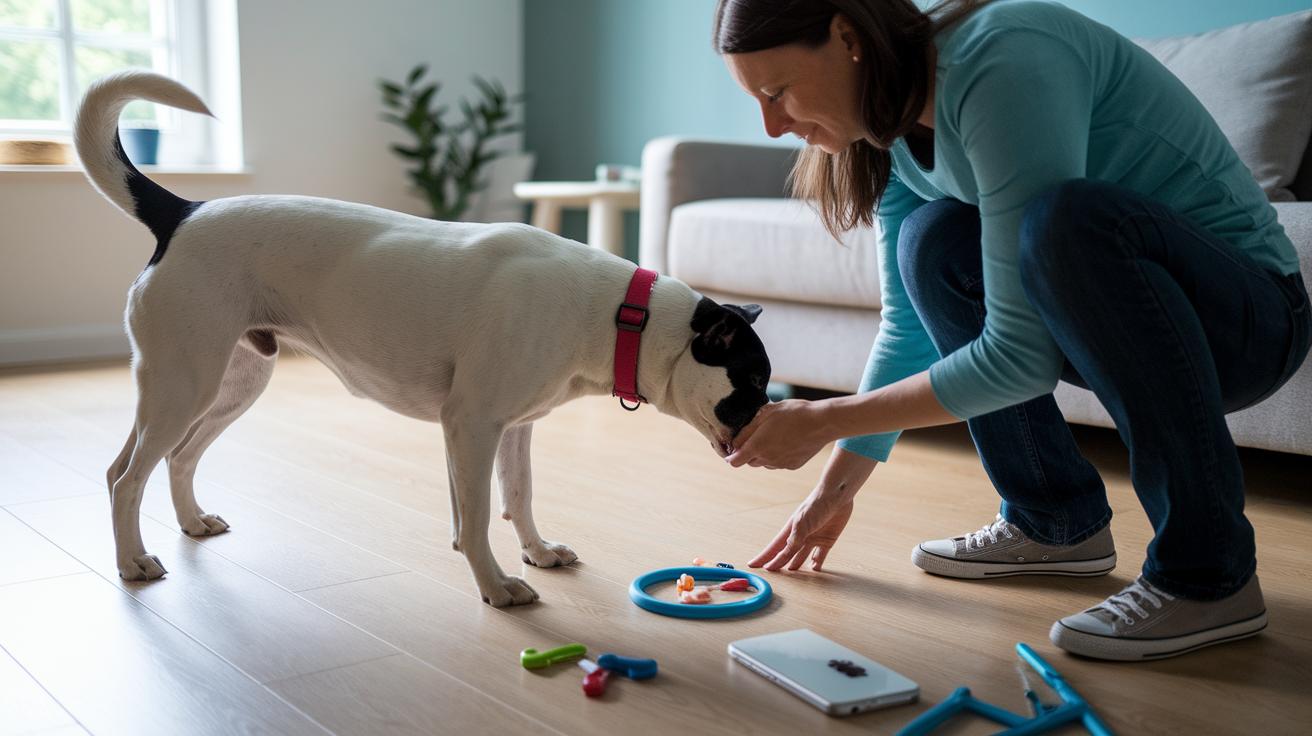
If you're choosing the best path for your dog's training, it's good to know your options. Professional in-person training offers a clear plan with hands-on practice and expert advice. But remember, these programs can be a bit pricey, about $5,200 per dog once you add training tools and equipment.
Owner-led training is a great way to save money while spending quality time building a deep bond with your furry friend. It lets you set your own pace with lots of positive rewards and care, although it does require you to be steady and keep detailed notes of your progress.
Then there are online courses that let you learn at your own speed. These courses usually start with a little mental health check and let certified trainers guide you from afar. While they’re more affordable, they might not offer the same face-to-face support as in-person training.
| Option | Pros | Cons | Cost Range |
|---|---|---|---|
| Professional In-Person | Clear lessons, expert help, hands-on practice | More expensive and sometimes longer waits | Around $5,200 per dog |
| Owner-Led In-Person | Cost-effective, flexible pace, stronger bond | Needs commitment and careful record keeping | Lower cost |
| Online Course | Learn at your own speed, remote guidance, quick mental health check | Less direct help, variable interactivity | Varies |
Figuring out the costs of training is important, too. Many pet parents discover help through VA benefits, insurance programs, or nonprofit groups. These options can ease the financial stress while ensuring your service dog gets the training they need to help manage anxiety.
Legal Guidelines and ADA Certification for Psychiatric Service Dogs for Anxiety
Under the law, psychiatric service dogs are seen a lot like essential tools for managing anxiety. They learn specific tasks that help ease their owner's anxiety, and you don't need any official papers or registry to prove it. As long as these dogs behave well and follow the rules of any place they visit, their owners enjoy full public access. The tasks they do must clearly relate to easing anxiety symptoms, setting simple rules for both the handler and the dog.
It isn’t a strict requirement, but having a letter from a licensed mental health professional can really smooth the way when traveling or looking for housing. Keeping a record of your dog’s training is also a smart idea, it shows how well your dog handles public spaces and performs its tasks.
Key legal points to keep in mind include:
- Service dogs are treated like vital medical equipment, so no official registry is needed
- As long as your dog stays under control, you can access public places freely
- The tasks the dog performs have to directly help manage your anxiety
- A support letter from a mental health professional can make travel and housing easier
For best results, keep consistent and detailed training logs that show your dog’s progress and reliability in public settings. These records help confirm your dog’s role as a service animal and ensure smoother interactions wherever you go.
Success Stories and Case Studies in Service Dog Training for Anxiety
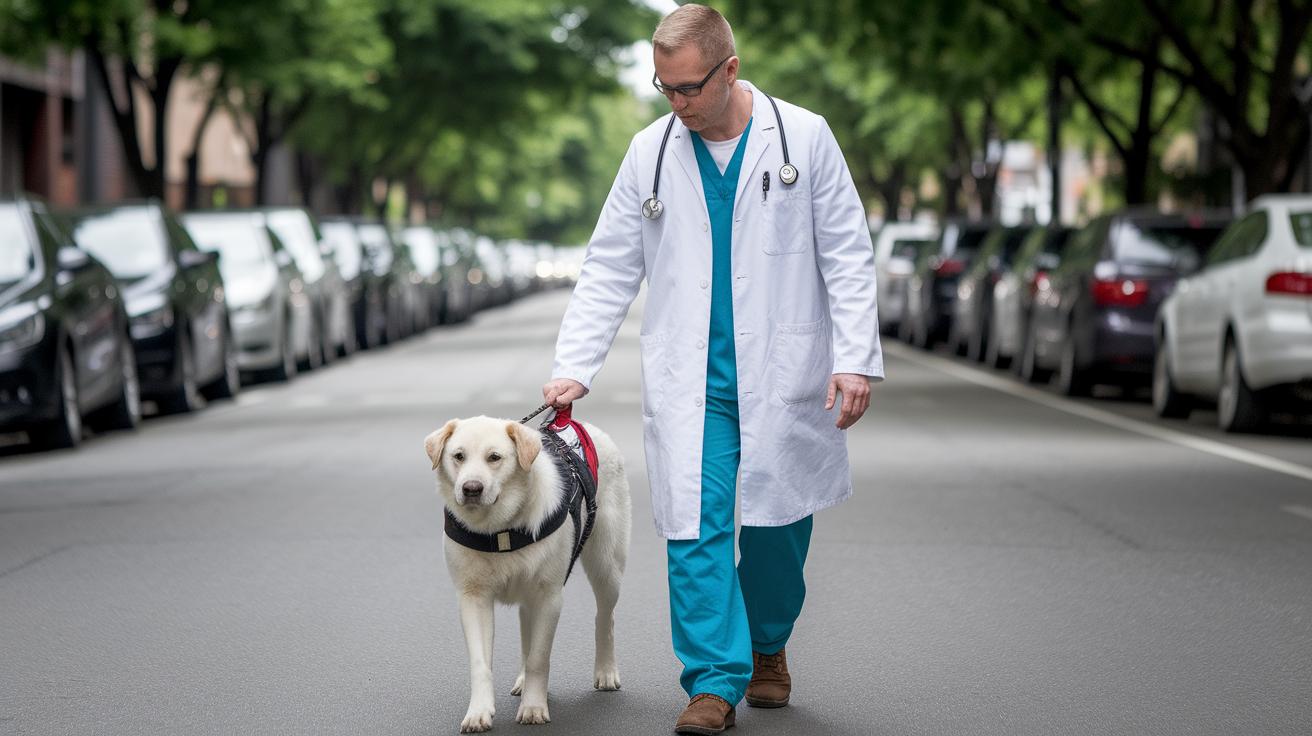
Service dogs can really make life easier by easing anxiety and PTSD. For example, one veteran saw his panic attacks drop by half after 18 months of training. His dog learned gentle pressure techniques and how to guide him through busy places. This small daily change boosted his confidence and brought a fresh sense of safety to his life.
Another heartwarming story comes from an owner-led program. In this case, a service dog became nearly 80% reliable in public settings. The dog learned to notice early signs of anxiety and even fetch medication during stressful moments. This steady support has helped the owner manage everyday challenges with greater ease and calm.
Here are some measurable results from these successes:
| Outcome | Result |
|---|---|
| Panic episodes | 50% drop, as seen in veteran training |
| Public anxiety alerts | 80% compliance in real-world situations |
| Overall quality of life | Stronger sense of security and stability |
Final Words
In the action, we explored what service dog training for anxiety really involves and the many ways these special canines help bring comfort. We looked at choosing just the right dog, mastering tasks like deep pressure therapy and alerting to anxious moments, and managing everyday public settings. We also compared owner-led and professional training options while sharing heartwarming success stories. Every step builds a clearer path to happier, healthier days with your devoted pet companion.
FAQ
Frequently Asked Questions
Is free service dog training for anxiety available and discussed on Reddit?
The question means free training resources might exist while many Reddit threads share personal experiences. Some nonprofits and local programs offer cost-free or reduced-fee training, though options vary by region.
How do I train a service dog for anxiety and depression?
The question indicates that training involves teaching your dog specific tasks like alerting you to anxiety signs and providing deep pressure. Many owners work with professionals to structure both obedience and specialized tasks.
What are the best local service dog training options for anxiety?
The question prompts you to search for top-rated service dog training programs nearby. Look for programs with strong reputations, positive reviews, and certified trainers to meet your unique anxiety support needs.
How much does training a service dog for anxiety cost?
The question covers price ranges where many professional programs charge several thousand dollars. Costs depend on training duration, individualized needs, and whether the program is in-person or online.
What does psychiatric service dog training entail?
The question signifies training that focuses on helping your dog perform tasks like alerting during anxiety attacks and applying deep pressure. Such programs follow ADA guidelines with specialized task instruction.
How do I get a service dog for anxiety?
The question means you need to apply through a reputable program, obtain a mental health professional’s endorsement, and complete necessary training and certification to qualify under ADA standards.
What type of anxiety qualifies for a service dog?
The question implies that various forms of anxiety—such as social anxiety, panic attacks, or PTSD—may qualify if a medical professional confirms the condition significantly limits daily life.
How do I get my dog certified as an anxiety dog?
The question means certification involves completing a recognized training program, demonstrating task reliability in public access settings, and often obtaining a letter from a licensed mental health professional.