

Ever wonder how a little pup grows into a life-changing service dog? It all starts with training that mixes caring love with clear, gentle guidance, building trust step by step. From humble beginnings in a sunny, home-based setup in San Diego, these programs have blossomed while keeping that personal, loving touch. Today, three special programs show us that with kindness and a bit of structure, service dogs can truly make a difference for both their handlers and their communities.
Overview of Service Dog Training Programs
This journey began in 2006 in sunny San Diego with just 10 dedicated volunteer puppy raisers and a simple breeding program. In its very first year, each puppy was cared for like a family member, setting the stage for a new way of training service dogs. Their blend of warmth and hands-on experience quickly turned into a trusted approach that changed how communities view service dog training.
As time went on, the program became more structured. For the first year, puppies live with caring volunteers, learning important skills in a cozy, home-like setting. Then, they move into an advanced training phase for three to six months with a certified instructor, often learning in small groups of two or three. Today, a team of 16 full-time staff and 47 volunteers supports pups in places like San Diego County, Texas' Nacogdoches County, and New England. This thoughtful mix of personal care and focused guidance helps build strong trust with the communities they serve.
The program also follows strict Assistance Dogs International standards, making sure that every training step is safe and effective. By keeping a close eye on each puppy's progress and adjusting to meet service dog criteria, the team guarantees top-notch training quality. This reliable approach not only produces well-trained dogs but also fills pet families with confidence, lighting a brighter future for both pups and people every day.
Accredited Assistance Dog Certification and Course Structures

Started in 2017, the SDC certificate program has quickly become a favorite among experienced pet trainers looking to grow their skills. This special assistant dog training certification is designed just for professionals who already have recognized credentials and real-world experience in pet training. It relies on modern, reward-based methods (like giving treats and lots of praise) and a solid background in working with service dogs. Once you meet these standards, you can earn a certification that opens new doors in service dog education. It’s a perfect fit for those who want to build their expertise and make a real difference in the lives of pets.
The course runs for three months with about four hours of study each week. You learn through a mix of video lectures, written lessons, quizzes, hands-on projects, and personal video feedback that feels just like chatting with an instructor. This flexible model lets you study when it works best for you while still getting helpful tips via email and friendly discussion forums. At the end of the program, you earn continuing education units (21 for CCPDT CPDT-KA/KSA, 9 for CBCC, 30 for KPA, 17 for IAABC, and 20 for PPGA) and receive a beautifully printed certificate. Plus, you get featured in an online directory, which really boosts your profile and shows the world that you’re a trusted service dog training professional.
Online and Virtual Canine Training Sessions for Assistance Dogs
Our digital training bundle brings together fun video lessons, easy-to-read guides, digital dog manuals, quizzes, and step-by-step task videos, all in one simple program. We’ve mixed online lessons with quick help from our instructors via email and discussion forums, so you never feel lost.
- Flexibility: Enjoy lessons whenever you want, fitting training neatly into your daily routine.
- Self-paced modules: Learn at your own speed without being tied to a fixed class schedule.
- Resource accessibility: Revisit digital guides and video lessons whenever you need a little refresher.
- Remote feedback: Get personalized tips from experienced instructors through email and online chats.
This program blends online learning with practical exercises, turning screen time into hands-on training. For example, try a mobility task at home and then share your video to receive helpful, personalized feedback that connects what you learn online with real-life practice.
In-Person and Community-Based Service Dog Education Classes
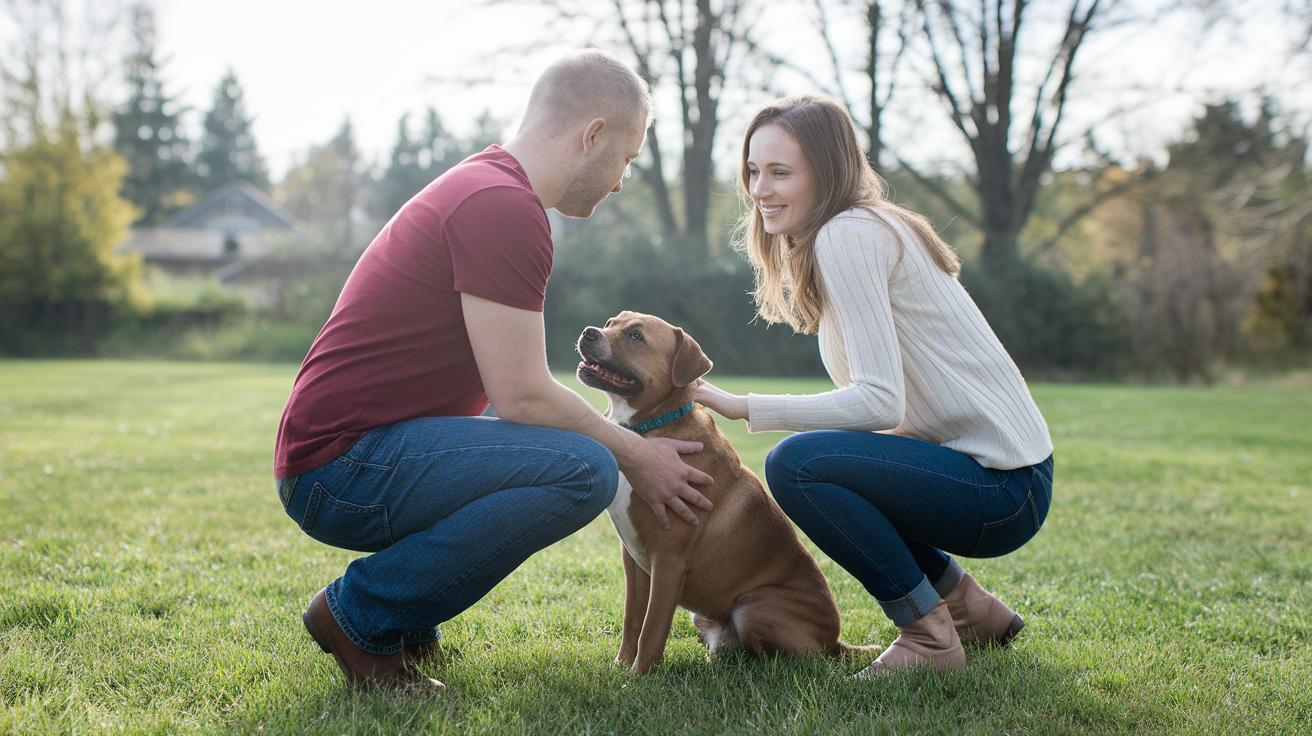
In many neighborhoods, hands-on training is at the heart of building a true bond between dogs and their people. Families come together in these friendly sessions, learning the ropes while their furry pals gain new skills. It's a warm place where real training meets community care, with activities like planning for emergencies and therapy-dog visits that let everyone feel supported.
Here are some of the program highlights:
| Program | Description |
|---|---|
| Puppy Raising | Volunteers open their homes to puppies for a year, helping them learn early social skills and basic obedience. |
| Owner-Training Lessons | Families get together to learn special techniques that strengthen the bond between dog and owner. |
| Foster Programs | Short-term foster care combined with guided training prepares dogs for more advanced service work in a safe setting. |
| Prison PUPS | A unique offering where those in correctional facilities learn dog training methods, giving dogs a chance to serve the community. |
| Workshops | Weekend workshops focus on hands-on training and building community resources, perfect for pet families wanting to learn more. |
These in-person classes blend practical dog training with meaningful community involvement. Every session is a chance to see both dog and handler grow, learning together in an environment full of care and genuine connection.
Selecting the Best Service Dog Training Program for Your Needs
Picking the right service dog training program is a big decision. You need one that is trustworthy, fairly priced, and follows the rules. Some programs even help cover tuition by having the service dogs work with clients for about two years, which helps trainers and their dogs create a strong bond. Whether it’s autism support, diabetic alerts, hearing help, medical alerts, mobility assistance, psychiatric support, or seizure monitoring, success is measured by how well the dog handles tasks, how ready they are for public spaces, and how happy their clients feel.
Online training options let you learn at your own pace with digital lessons and interactive modules. It’s like having a friendly tutor available anytime you have a spare moment. This approach is perfect if you have a busy schedule and appreciate the flexibility, all while keeping in line with guidelines like ADA and A.D.I.
If you enjoy face-to-face learning, in-person programs might be just what you need. These classes offer live interactions and hands-on practice with immediate feedback. In a small group setting, instructors watch and guide you so you feel safe and confident with every new skill. Plus, the supportive environment and live demos can really make a difference.
For those who want a bit of both worlds, hybrid programs combine online study with occasional in-person workshops and practical sessions. This blend gives you the flexibility of digital learning along with the benefits of hands-on experiences. It’s a great way to save on costs while still building solid skills. If you’re curious to learn more, check out the dog training programs here: https://goodkaws.com?p=503.
Final Words
In the action from reviewing early training roots to exploring accreditation, online sessions, and community classes, this post paints a clear picture of how service dog training programs work. We covered the evolution from a simple volunteer effort to a comprehensive system balancing in-person and digital support.
This recap reminds us that every detail matters in keeping our pets happy and healthy. Let your passion for pet care shine as you consider these trusted, award-winning programs in your next decision.
FAQ
Q: What free service dog training programs are available?
A: The free service dog training programs offer online courses and community-sponsored classes designed to help pet owners start training without high costs. These programs often leverage nonprofit resources.
Q: Where can I find service dog training programs near me?
A: The service dog training programs near you provide local classes and hands-on sessions. They connect you with certified instructors and community resources for personalized, in-person training.
Q: What defines accredited service dog training programs?
A: The accredited service dog training programs follow strict standards from recognized organizations like Assistance Dogs International, ensuring consistent techniques, safety protocols, and high-quality training for both dogs and handlers.
Q: Can service dog training programs be accessed online?
A: The service dog training programs online offer flexible recorded lessons, written modules, and interactive quizzes. They let you study at your own pace while receiving helpful feedback through email or forum support.
Q: What are the best service dog training programs?
A: The best service dog training programs combine accredited classroom or hands-on training with flexible online modules. They emphasize safety, task proficiency, and a supportive learning environment for both dogs and their owners.
Q: Are there service dog training programs available in California?
A: The service dog training programs in California include established centers that offer volunteer-led puppy raising and advanced classes with certified instructors, maintaining high standards in quality and safety.
Q: Is there an international service dog training school?
A: The international service dog training schools offer programs that meet global accreditation standards. They adapt training methods across cultures, providing quality education for pet families around the world.
Q: Can you train your dog to become a service dog?
A: The question of training your own dog to be a service dog involves learning specific tasks. While basic skills can be taught by owners, professional programs provide comprehensive training for full public-access readiness.
Q: What is the 3-3-3 rule for dog training?
A: The 3-3-3 rule for dog training suggests short sessions by breaking training into three parts, repeating tasks three times, and taking breaks every three minutes to keep learning engaging and effective.
Q: What qualifies as a service dog in Louisiana?
A: The qualifications for a service dog in Louisiana adhere to ADA guidelines, requiring the dog to be trained to assist with a specific disability. The dog must perform relevant tasks and maintain proper public behavior.
Q: How much does it cost to train a service dog?
A: The cost to train a service dog varies depending on the program and training level. Prices reflect program resources, training duration, and often include offsets through client engagements or specific service roles.